
LISTEN TO THE PLACE
A story worth knowing
Hai Rui’s tomb honours a man remembered not primarily for wealth or military victory, but for a reputation for honest public service. On a journey through modern Hainan, this is an unusual stop. Instead of a sea panorama, it offers a question about the way a society remembers integrity.
Hai Rui lived in the sixteenth century during the Ming dynasty and came from Hainan. He served in government and became known for his principled conduct. One particularly famous episode was his severe criticism of the Jiajing Emperor, after which he was imprisoned. The act helps explain why his name survived across generations: delivering an unwelcome truth to a ruler could carry very serious consequences.
A commemorative image is not identical to a complete historical biography, however. Over time, a respected person is often represented through especially memorable episodes. Hai Rui came to exemplify incorruptibility, and his name became a shorthand for a moral ideal. That is not a reason to accept every attractive anecdote uncritically, but it is an important part of how public memory works.
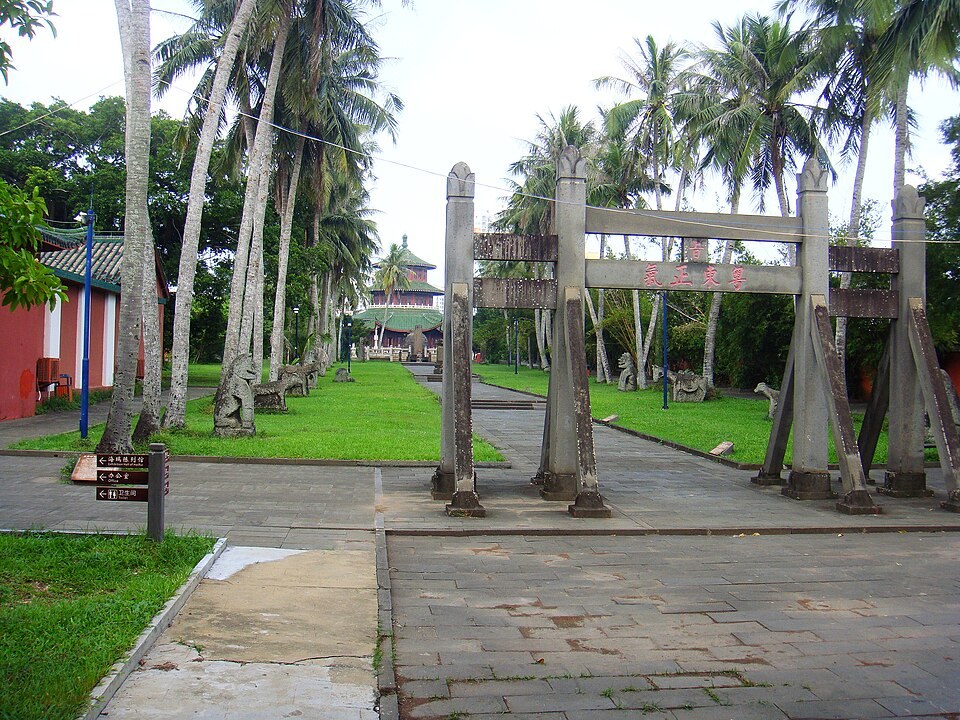
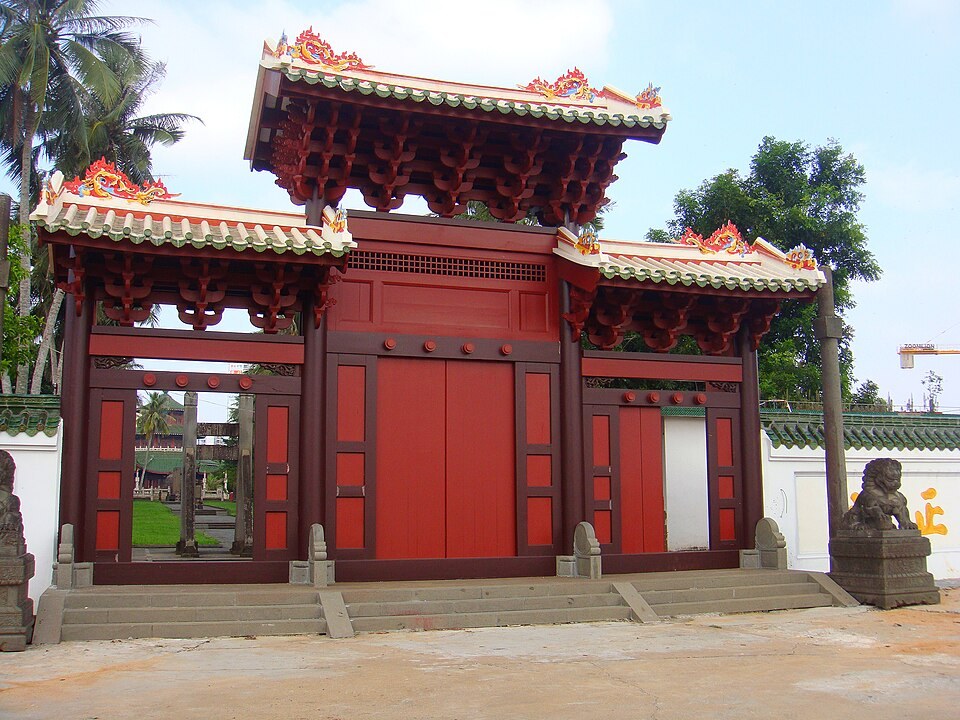
As you explore the complex, notice the sequence of the approach to the burial place. Memorial architecture can influence behaviour without giving explicit instructions. It may encourage a slower pace, align the gaze or draw attention to an inscription. Try reading the setting through movement. How does it differ from a square, a market or a park you visited earlier?
This is also a place to consider a person’s relationship with home. Government service could take someone far away, while remembrance returned to the island. In this story, Hainan is not merely a peripheral background. It is a place of origin that preserves the name of one of its people and makes it part of Haikou’s continuing civic life.
Before leaving, consider which quality you would regard as worthy of a monument. Courage, honesty, or the ability to defend others? There is no single required answer. Hai Rui’s tomb shifts a discussion of history away from a list of offices and dates towards a question still understandable today. Respect for a burial place matters more than a dramatic photograph, so allow the setting and other visitors a little quiet as you complete your visit.
Learn more
A local legend says the burial location was determined when a rope carrying the coffin broke during the funeral procession. This is folklore, not a verified explanation for choosing the site. Such stories often give a grave special meaning, suggesting that the location was selected by fate rather than by the people arranging the burial.