LISTEN TO THE PLACE
A story worth knowing
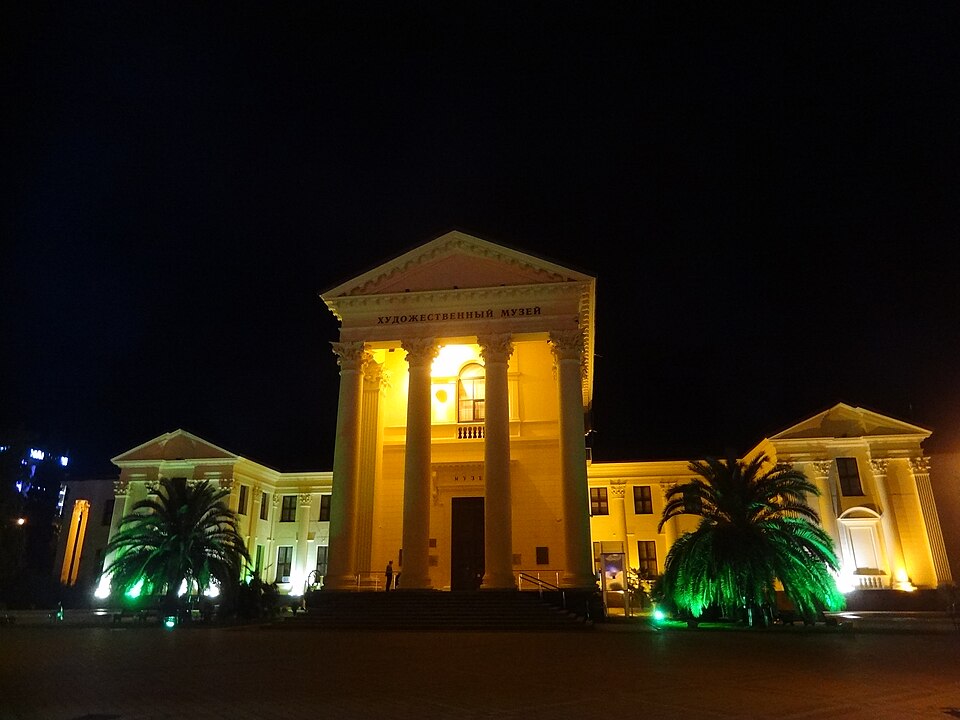
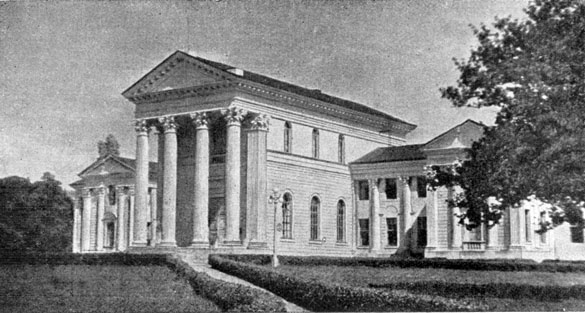
At the Art Museum, an encounter with art begins before you go inside. Look at the building. Its substantial columned portico immediately distinguishes it from an ordinary city address. It seems to ask for more attention than a quick glance at a sign.
The building was constructed in 1936 to a design by Ivan Zholtovsky. There are therefore two reasons to stop: the architecture itself and the museum collection within. Even if you only view the exterior today, this is a worthwhile pause. The facade already offers a subject to explore: how a city gives culture a public presence.
Start with proportions. Locate the entrance, then compare its size with the columns and the whole front of the building. Monumental architecture can make an everyday action, such as going through a door, part of a more ceremonial movement. You are still standing outside, but the space is preparing you for a different kind of attention.
The museum collection includes painting, graphic art and sculpture. Familiar as those categories are, they represent different ways of seeing. A painting can hold colour or light, a drawing the movement of a line, and a sculpture a volume in space. If you choose to enter, try selecting a work you genuinely want to spend time with rather than searching only for the most famous one.
Our city walk remains outdoors. Visiting exhibitions needs separate time and a ticket, and the current programme is best checked with the museum. We will not promise that a particular work hangs in a particular room. Displays can change, and a useful guide should not depend on a passing programme.
Return to the facade and notice how the repeated columns relate to the overall volume. You can describe it without specialist terms: solid, ceremonial, calm, large. Your own words are a perfectly good beginning to a conversation about architecture, provided they come from observation rather than an attempt to guess a correct answer.
Sochi is often experienced through landscape, but the museum suggests another kind of travel: looking through someone else’s eyes. An artist decides what to show and what to leave beyond the frame. On a walk you do something similar, assembling your own image of the city from many impressions. Perhaps this building will become one of its reference points.
Learn more
If you visit the museum, try a one-work exercise. Choose a piece and spend a little longer with it than you usually would. Look before reading its label, then read the label and return to the work. What changed? A label can add historical context without replacing your own response. This approach helps avoid the feeling that a museum must be completed like a checklist.