LISTEN TO THE PLACE
A story worth knowing
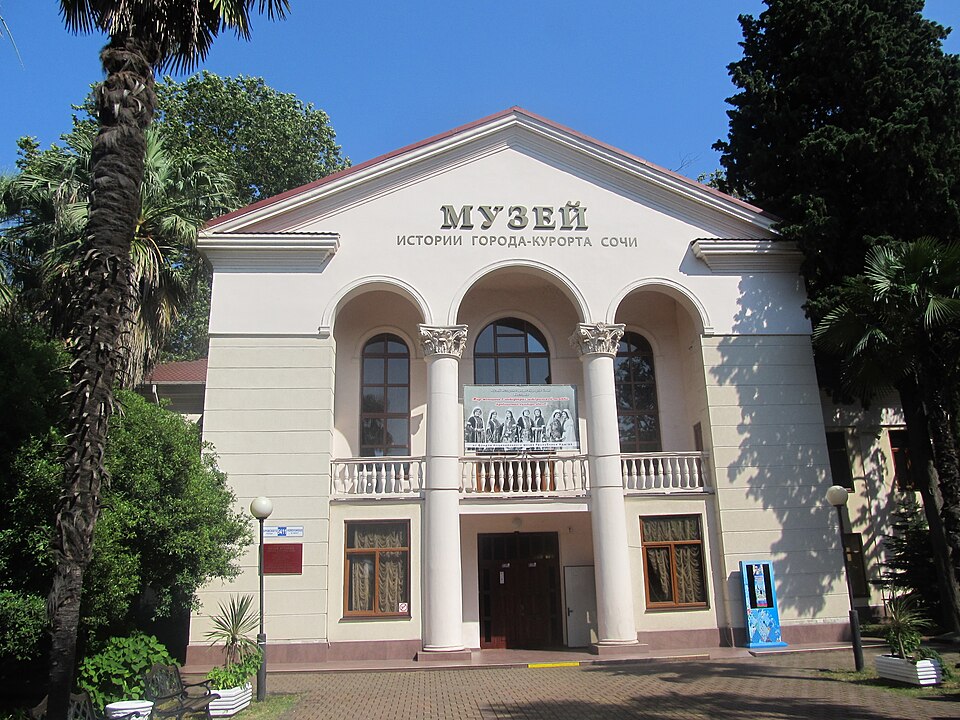
The Sochi History Museum invites us to look more carefully at the word “resort.” Behind a holiday by the sea lies a history of landscape, people, roads and change. Those layers can be difficult to see during an ordinary walk, because the present tends to cover them. One purpose of a museum is to make them visible again.
The museum was founded in 1920. The origins of its collection are connected with the Caucasian Mountain Club. That relationship is revealing: understanding a place begins not only with major events, but also with observation, collecting objects and curiosity about nature and the past. What starts as personal enthusiasm can become the basis of public memory.
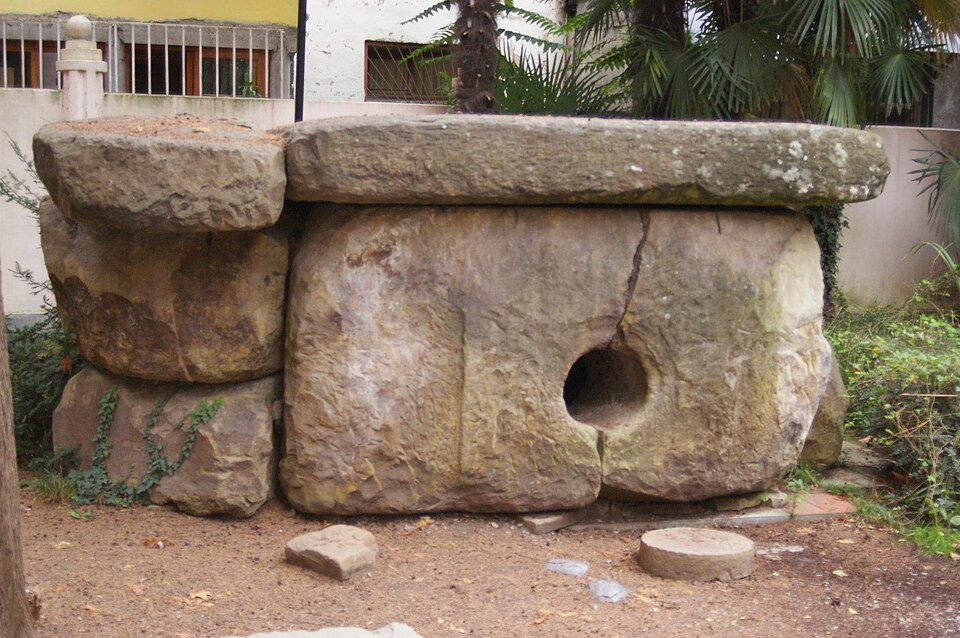
The museum explores archaeology, the region’s natural environment and the development of the resort. These different subjects help prevent an overly simple picture of the city. Sochi is more than a beach season and familiar facades. The territory has a longer history, and its current appearance took shape gradually.
The museum now occupies a former school building. Rather than inventing a particular historical scene, consider the change of purpose itself: rooms associated with education become a place for preserving and explaining the past. The two functions have something in common. Both a school and a museum help people see beyond their immediate experience.
Our stop remains outside. Exploring the exhibitions needs separate time, and tickets and opening hours are best checked with the museum. We will not promise that a specific object is waiting in a particular room, because displays can change. Remember the main themes instead and choose the one that interests you most.
If you go inside, try asking three questions about one exhibit. What was it used for? Who might have used it? What does it help explain about this place? That approach can turn a case of old objects into a source of stories, while leaving room for questions answered by a label or a member of staff.
Before continuing, consider the impression of Sochi you have already formed. Perhaps it consists of the sea, greenery, architecture or street life. The museum need not replace that image. It offers a way to deepen it: adding time to space and seeing the history of change behind the city of today.
Learn more
A useful question in a local history museum often begins with “why.” Why did the city develop here? Why was this object preserved? Why did a familiar street once look different? Not every answer will be in one display case. Sometimes the most valuable result is not a set of dates, but a desire to look more closely at the city outside. The museum then continues to shape your walk on the next street.