LISTEN TO THE PLACE
A story worth knowing
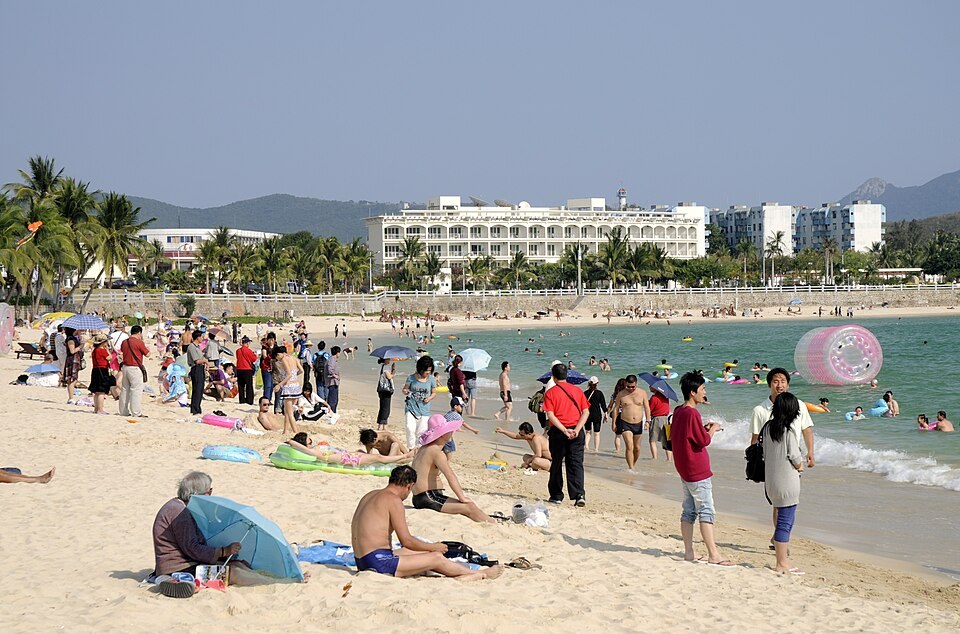
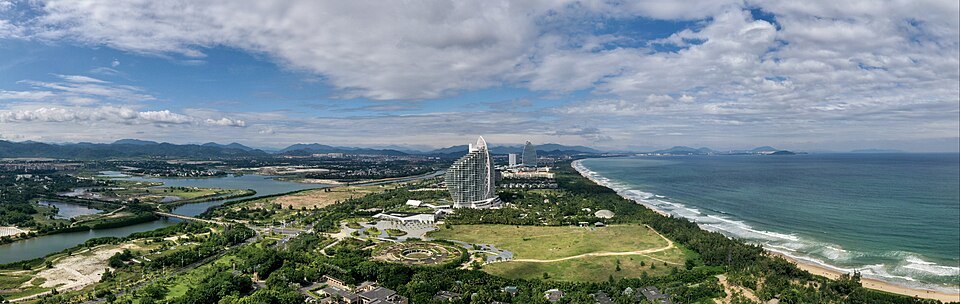
Haitang Bay presents Sanya on a large scale. The broad coastal setting is easy to appreciate, while tourism development shows how a modern resort can occupy an entire district rather than a handful of hotels beside a beach. Distances feel different here from those around the more urban Dadonghai.
The bay lies northeast of central Sanya. Its name is frequently associated with major resort complexes and marine leisure. It belongs to the modern tourism geography of Hainan rather than the historic city centre. A visit is therefore best organised around a particular accessible section of coast, instead of an abstract map pin bearing the bay’s name.
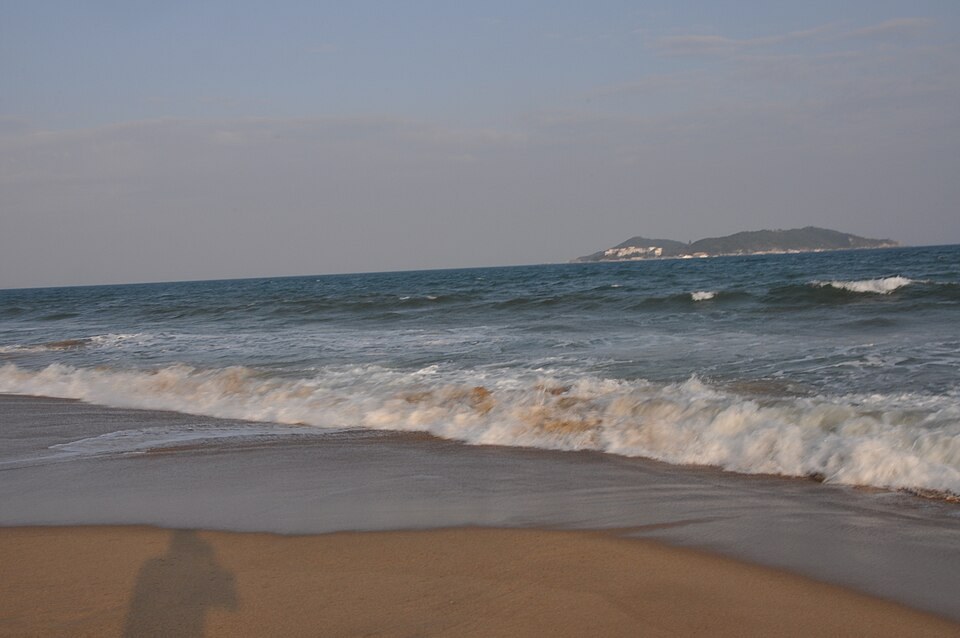
Start with the openness of the scene. Water and sky occupy much of the view, and individual buildings become landmarks. Then examine the foreground: plants, a pathway and the transition to sand. Between the grand resort image and an ordinary walk lies this smaller human scale, where you can move comfortably, stop and find shade.
Haitang Bay is interesting as an example of an island creating new images of leisure. Large hotel grounds, striking buildings and organised attractions did not appear by themselves. They reflect decisions about how visitors should experience the coast. Noticing those choices lets you read a resort much as you would read a city, through its layout, passages and boundaries.
The sea, however, does not follow an architectural plan. Conditions on an open coast can change, and an attractive view does not mean that every place is suitable for swimming. Follow current local guidance. For a walk, having the water in front of you is enough; entering it is not essential to understanding the bay.
Compare this shore with another part of Sanya you already know. Where does urban life come closer to the water? Where is walking most comfortable? Where do distances that seem small on a map feel substantial on the ground? These questions reveal several different landscapes behind the general label of resort. Haitang Bay contributes that difference to a journey: a wide horizon, a large scale and the need to choose your own comfortable pace within a place designed for many visitors. A thoughtful, limited walk can be more satisfying than trying to reach every distant landmark in one outing.
Learn more
A bay and a district sharing its name may refer to different extents on a visitor’s map. A hotel, beach or transport stop can occupy very different points within the same broad area. Before travelling, identify a specific entrance or meeting place as well as the name Haitang Bay. This distinction matters particularly for walking routes.