LISTEN TO THE PLACE
A story worth knowing
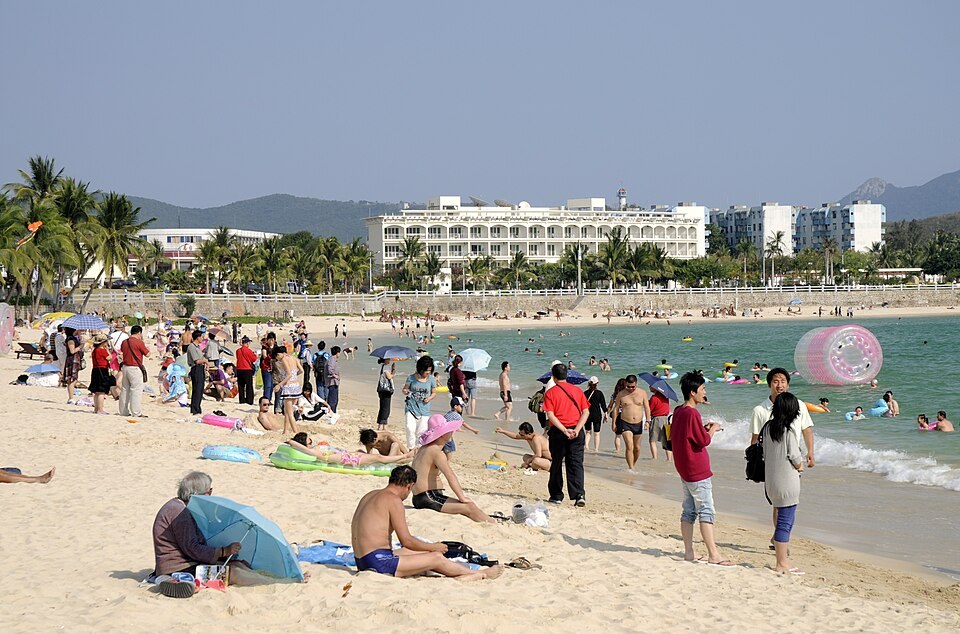
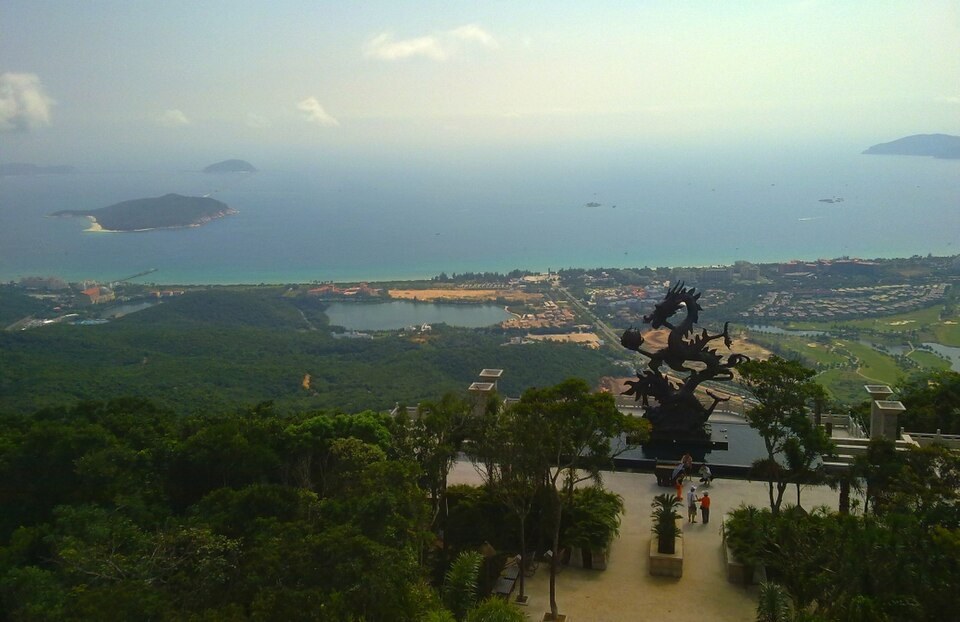
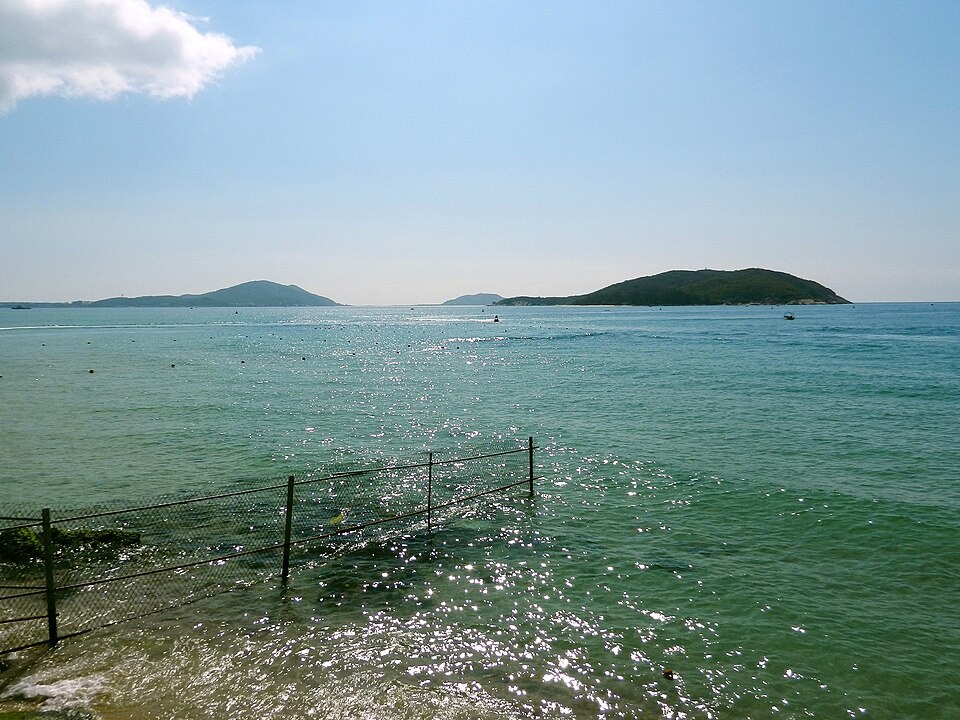
Yalong Bay often looks like a postcard already waiting to be taken: a sweep of sand, the sea and green hills around it. Begin with the shape of the shoreline itself. A bay gathers a landscape into a recognisable whole. Your eye moves differently here than along an apparently endless straight waterfront. One end helps you understand the other, even when they seem far apart.
This is one of Sanya’s best-known resort bays, east of the central city. Its modern reputation is closely connected with beach holidays and large hotel developments. Yalong Bay is neither a separate island nor the centre of Sanya. Getting here is a distinct part of a visit, rather than simply taking a few steps from the downtown streets.
Try dividing the scene into layers. Closest to you is sand marked by human movement. Next comes the surf, repeatedly erasing some of those marks. Farther out, the water changes colour and small details disappear towards the horizon. Sea colour depends on depth, surface conditions and light as well as the weather. A promise of identical turquoise water every day would miss how this landscape actually works.
There are human choices to notice too. Where has an open passage been retained? Where do planted trees provide shade? How do buildings face the water? The natural bay and tourism infrastructure coexist. Looking at their relationship reveals a particular place shaped by visitors’ needs, rather than an abstract image of tropical paradise.
There is more to a beach than the opportunity to swim. A walk beside the water, a few minutes in shade or the movement of clouds may become the strongest memory. Sea conditions vary, so follow local signs and use areas open to visitors. An empty stretch of coast does not necessarily mean swimming is permitted or appropriate there.
Before you leave, look back from a different position. The balance between water, hills and buildings will change, even after a short walk. Yalong Bay demonstrates why a scene familiar from photographs is still worth exploring for yourself. Your visit creates a sequence of views rather than reproducing one supposedly perfect advertising image. That personal sequence, shaped by light, weather and the pace of your own footsteps, is usually much more alive than the postcard.
Learn more
The element wan means bay. You will encounter it in other coastal names around Sanya, including Sanya Wan and Haitang Wan. Recognising these small parts of words makes a map less like a list of unfamiliar labels. A name begins to suggest the landscape, though it says nothing about distance or public access.