LISTEN TO THE PLACE
A story worth knowing
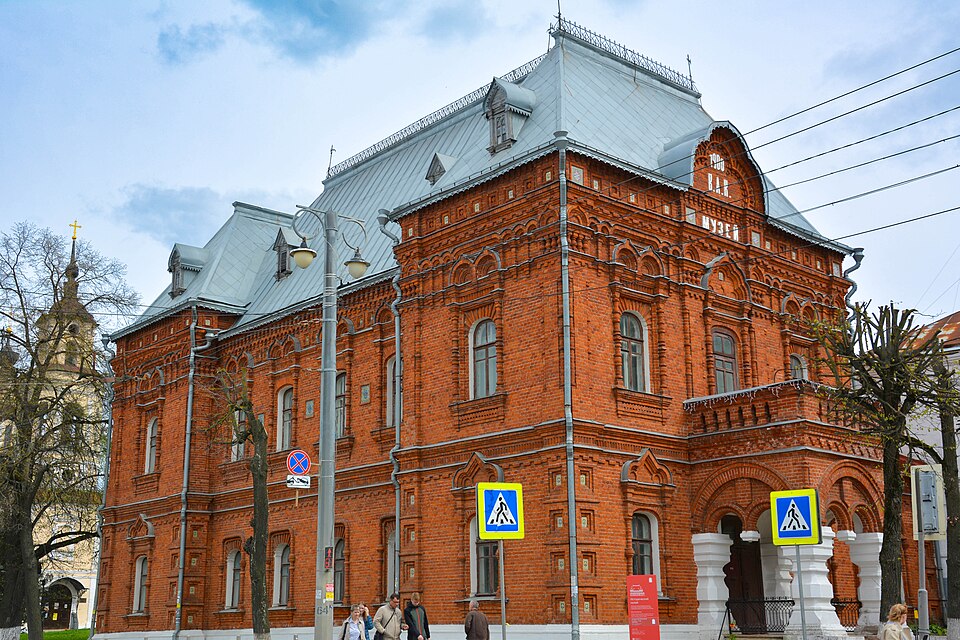
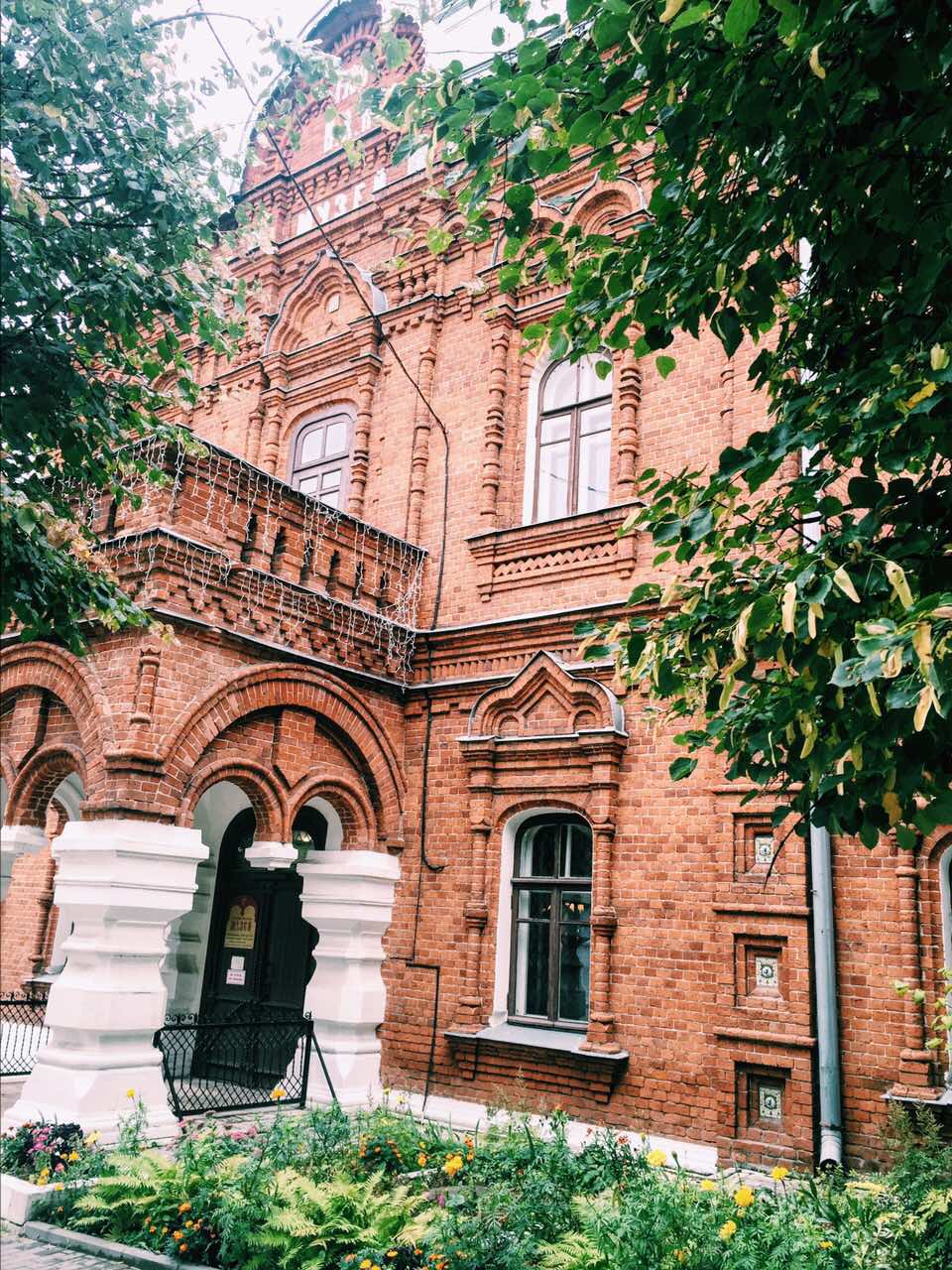
Vladimir's History Museum looks ready to tell a story before you even enter. Red brick, strong window surrounds and a high roof refer to older Russian architectural forms. Yet this is not a medieval building: the museum house dates from the turn of the twentieth century.
Designed by architect Pyotr Begen, it was begun in 1900, with decoration and the installation of collections continuing afterwards. Museum, library and archive shared the building, bringing together different ways of preserving knowledge about the region.
That combination reflects a change in attitudes towards the past. Old objects became evidence to be studied, described and displayed rather than simply inherited possessions. Such work needed a permanent home as well as enthusiastic people.
Look at the brick details around the windows and beneath the roof. The architecture prepares visitors for a historical narrative. Its references to early Russian design were created by craftsmen working in a much later period.
Inside, the regional story extends beyond Vladimir's celebrated white-stone churches. Archaeology and urban history help recover the people behind the monuments. A museum visit can therefore complement the outdoor walk rather than merely repeat it.
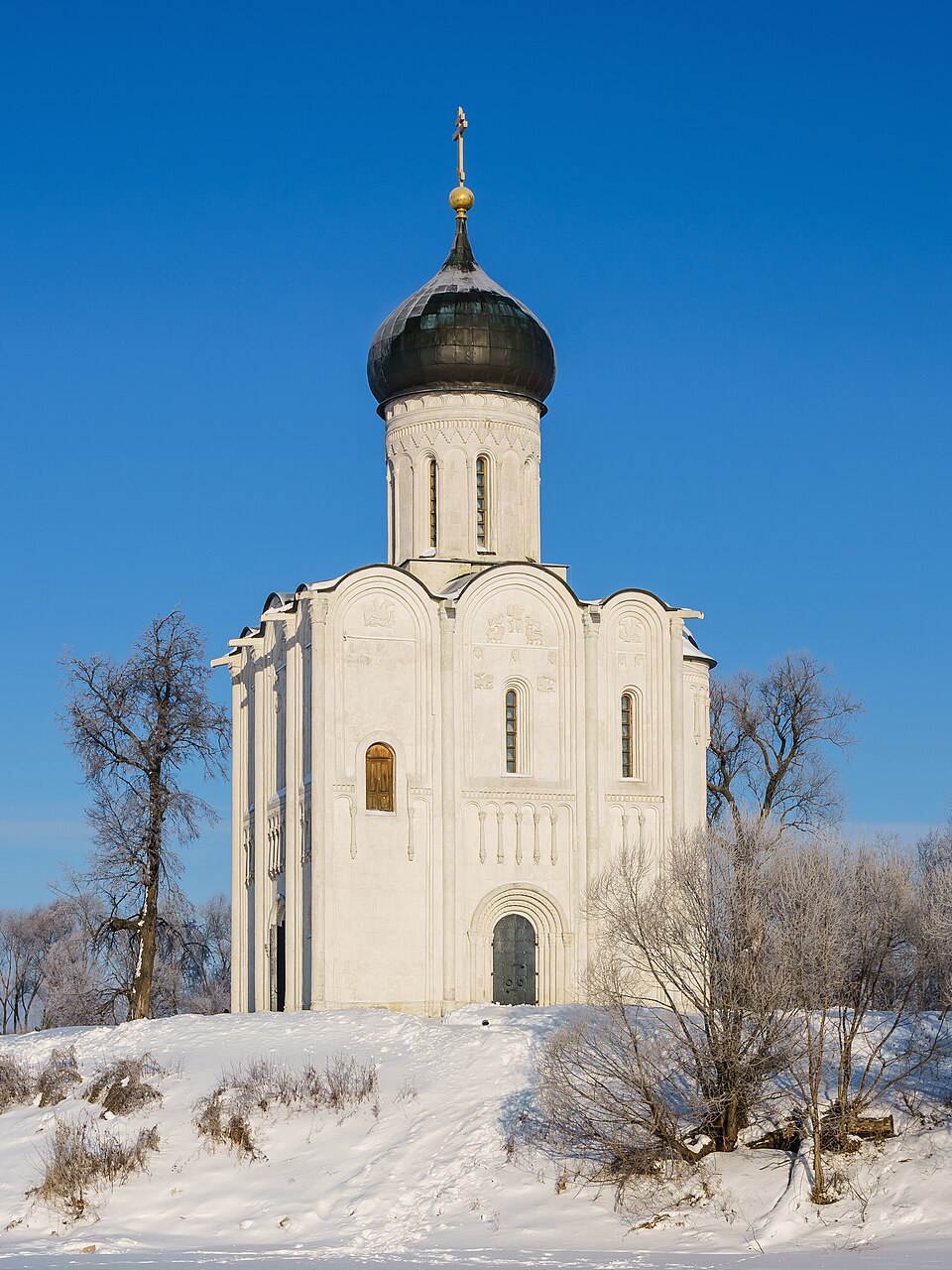
Compare this building with nearby historic structures. Buildings that all look old do not necessarily belong to the same age. That distinction provides a good first museum question: what is this object, how do we know, and how is its past being presented now?
Learn more
Archives, libraries and museums preserve different kinds of evidence. A document records information, a book circulates knowledge, and an object reveals materials and traces of use. Their original coexistence here expressed an ambition to understand the region's history broadly. The institution's creation is therefore part of the story, not merely a container for it.