LISTEN TO THE PLACE
A story worth knowing
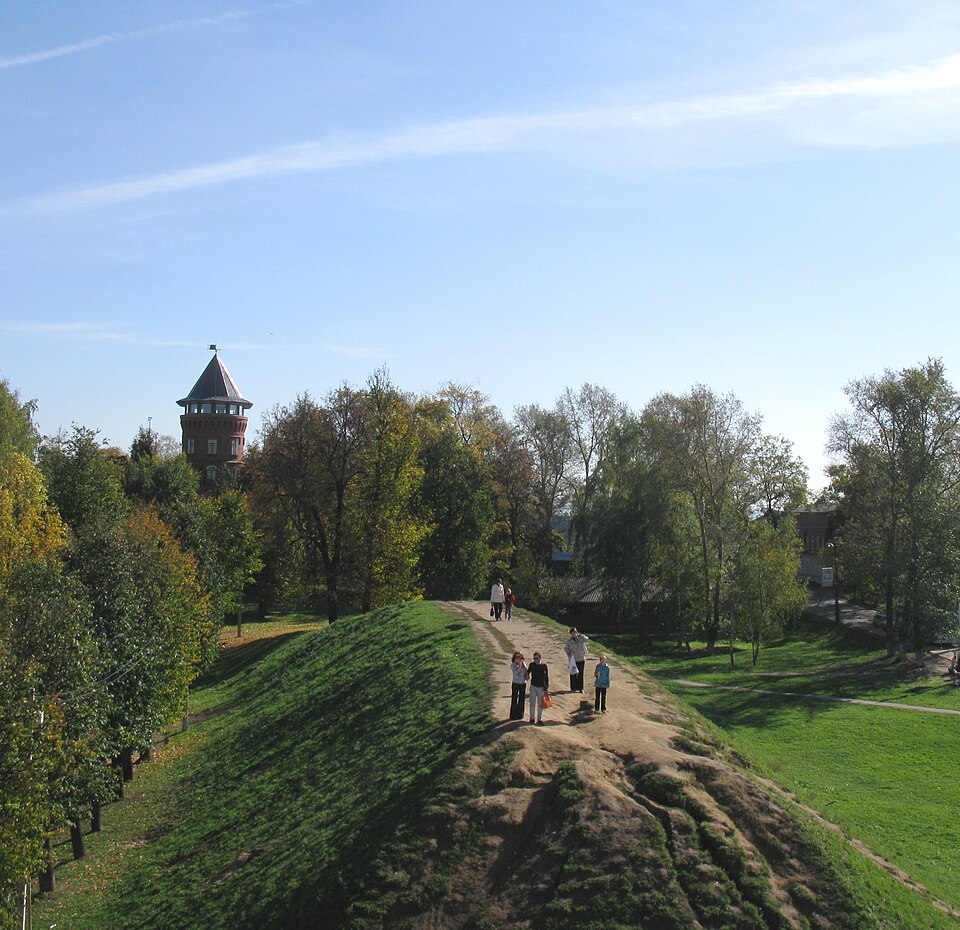
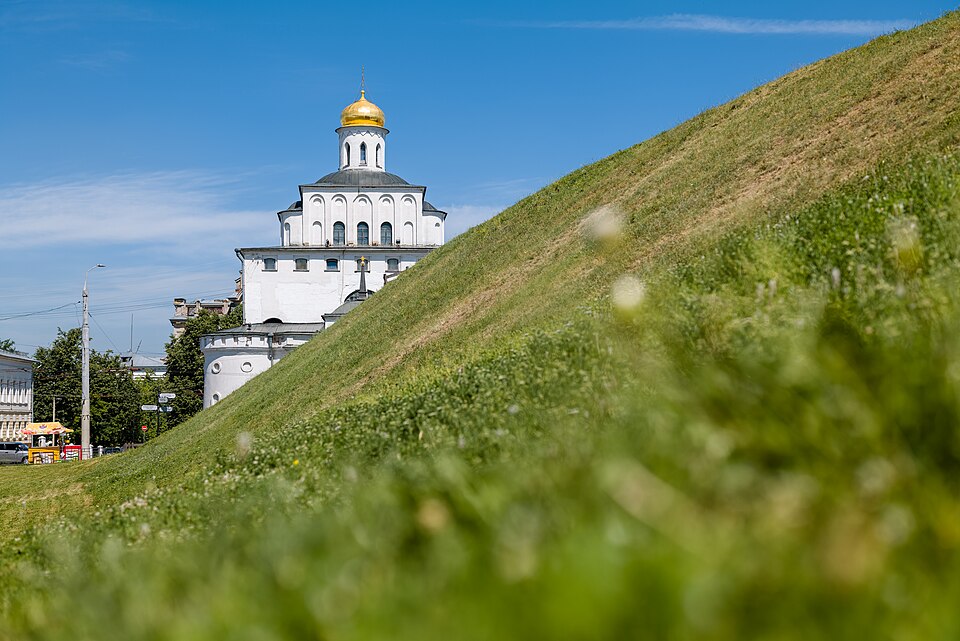
Kozlov Rampart can look like an ordinary green rise. It is actually a surviving part of medieval Vladimir's defences. Here history must be read in the shape of the ground rather than on a façade.
Earthworks were constructed in the twelfth century as the city expanded under Andrey Bogolyubsky. The rampart operated together with wooden structures and other defensive elements. Much of that system has disappeared, so the remaining terrain asks us to imagine the height and continuity of the former barrier.
The name Kozlov is much later and is associated with a garden owner rather than the princely period. It illustrates how a defensive structure can acquire an entirely different everyday history after its original function ends.
The bank once made the city harder to approach. Later it became somewhere from which to view the city. The same elevation changed meaning, from protection to recreation and observation.
Use the established approach and notice the difference in ground levels. Even without the vanished wall, the importance of earthworks becomes clearer. Moving so much soil required substantial collective labour, although the result can now appear almost natural.
Avoid cutting across steep slopes: the rampart is a historic monument, not an ordinary mound. From above, try mentally connecting it with the wider defensive line. A separate hill becomes part of the boundary that once defined Vladimir.
Learn more
An earthwork can be older than nearby stone buildings while appearing far less conspicuous. It has no decorative façade to announce its age. When exploring historic towns, pay attention to slopes, street bends and changes in level. They may preserve an earlier urban structure than the more eye-catching architecture around them.