LISTEN TO THE PLACE
A story worth knowing
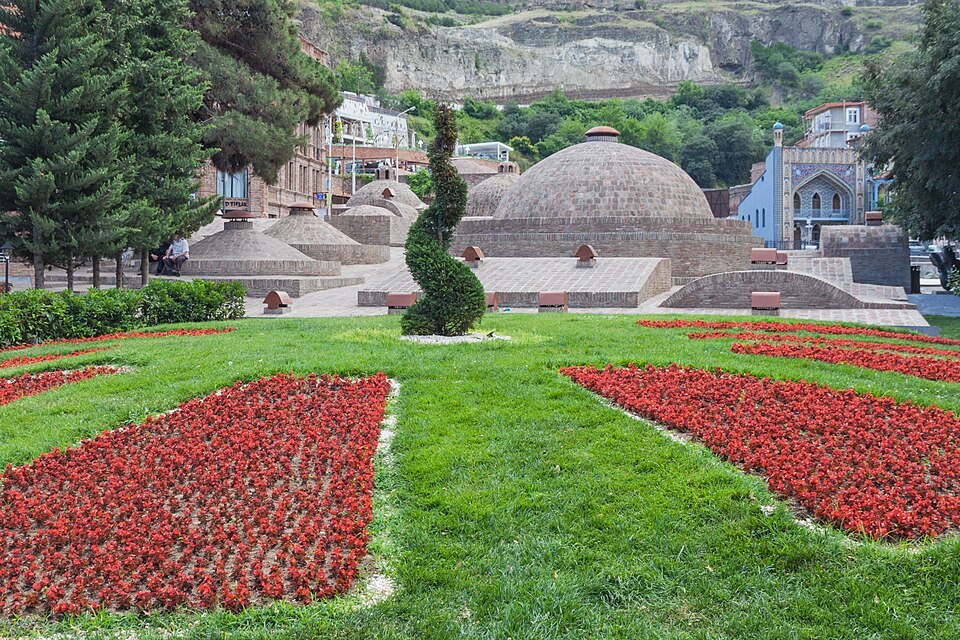
Tbilisi introduces itself here through more than sight. Sometimes the distinctive smell of sulphurous water reaches you before you notice the low brick domes. This is Abanotubani, the bath district below Narikala. The domes resemble little hills, but bath chambers lie beneath them. Urban architecture has quite literally gathered around natural warmth.
The district is associated with Tbilisi's best-known foundation legend. King Vakhtang Gorgasali is said to have been hunting nearby when his bird of prey pursued its quarry. The search led the king to hot springs. Details vary between versions: the birds may fall into the water, and the remarkable discovery is described in different ways. This is a legend, not a documented report of a royal hunting trip. Yet it explains the city through something you can still experience here: warm water. The name Tbilisi is connected with the Georgian word for warm.
Now read the neighbourhood as a practical arrangement. Baths need water; their visitors need shelter and privacy. The low vaulted spaces and domes create a very different landscape from the tall houses and balconies around them. You walk beside roofs, not simply along building fronts. Small openings in the domes remind you that another set of rooms exists below the level of your stroll.
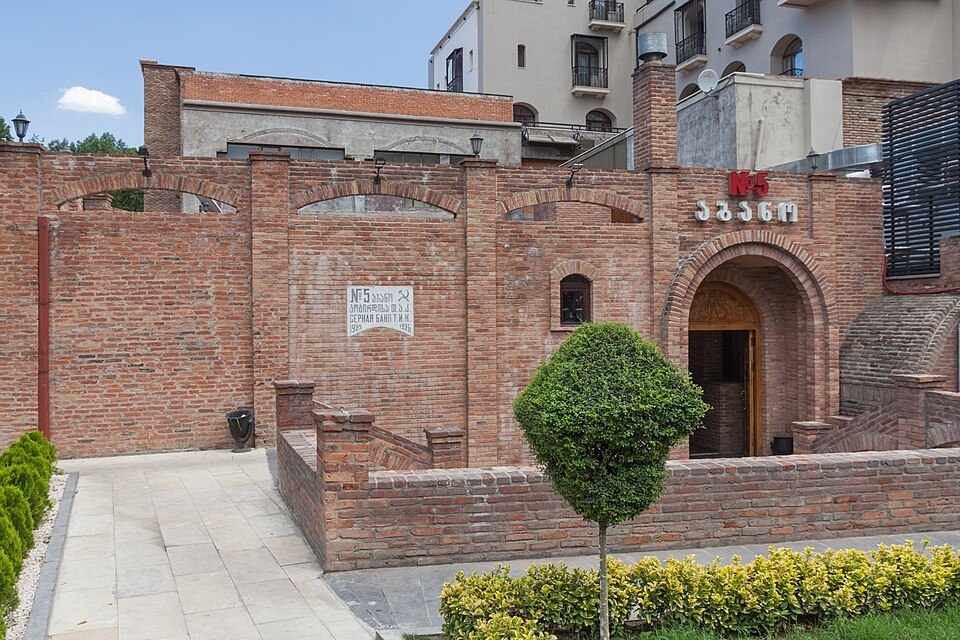
There is no need to identify one establishment as the single authentic bath. Abanotubani is a district, containing different businesses and different histories. A handsome entrance, a guidebook photograph and the experience of a working bath are not quite the same thing. If you decide to bathe, check the arrangements with the establishment you choose. For this walk, the important discovery is why this part of the city took this particular form.
Imagine removing the cars, signs and phones from the scene. Rock, water, brick and people seeking rest would remain. That combination feels more durable than changing urban fashions. The fortress above speaks of defence, while the baths below speak of everyday physical comfort. A considerable part of the city's story fits between those two needs. Before continuing, take another look at the rounded roofs. They are more than an unusual photographic background: they are the visible surface of a neighbourhood organised around its springs.
Learn more
The hot-springs legend works like a city's calling card. It does not erase evidence of earlier settlement or provide a precise date for the first houses. Its purpose is to connect a king, a natural feature and the city's name in a memorable story. If another guide tells a different version involving a pheasant or a falcon, that need not be a mistake. Oral traditions often survive in several forms, and those variations become part of local culture.