LISTEN TO THE PLACE
A story worth knowing
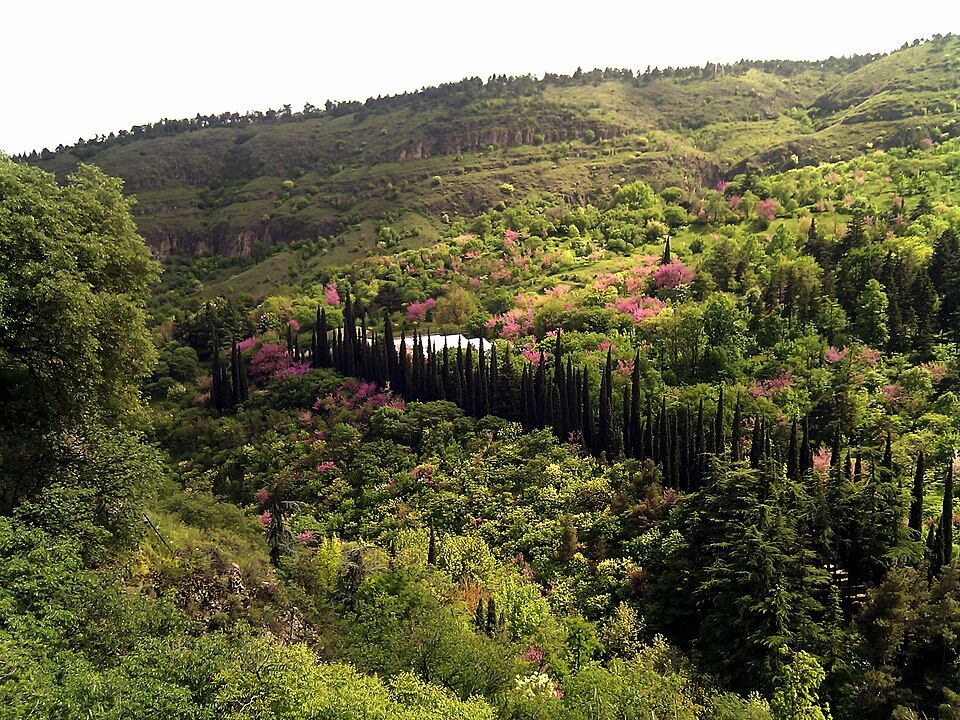
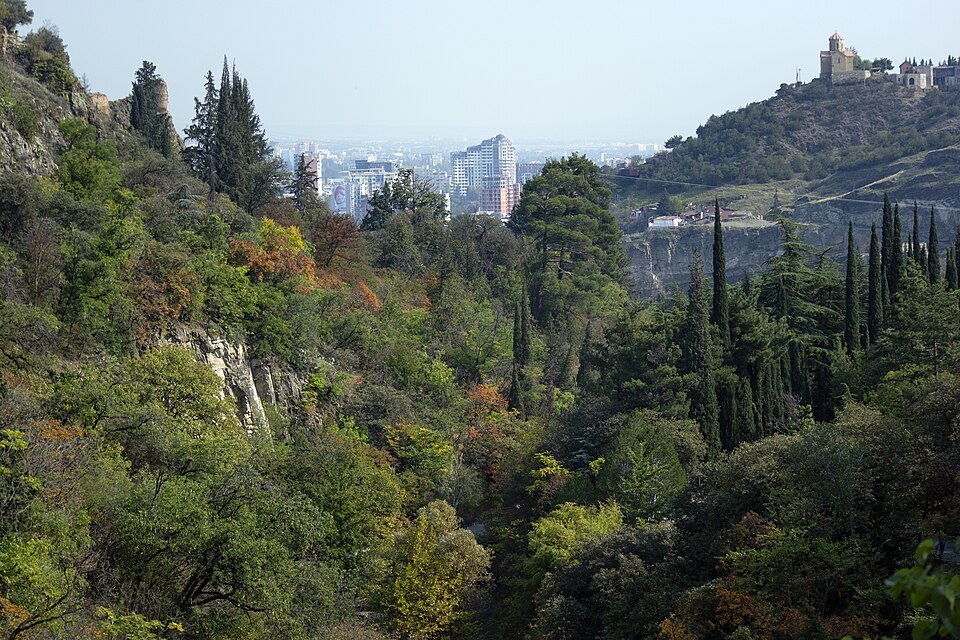
The botanical garden contains a pleasing Tbilisi paradox. It lies close to the old town, yet the ridge seems to hide it from everyday bustle. Beyond the fortified height, a valley opens where slopes, trees and water replace façades as your main points of reference. A short distance can produce a major change of atmosphere, although the terrain does not always make that distance easy.
The site has a long history of gardening. Royal gardens existed here before a botanical garden was formally established in eighteen forty-five. The distinction between a pleasure garden and a botanical institution matters. Attractive scenery remains important, but it is joined by the study of plants, the organisation of collections and the preservation of knowledge. Work that a visitor may barely notice supports the enjoyable walk.
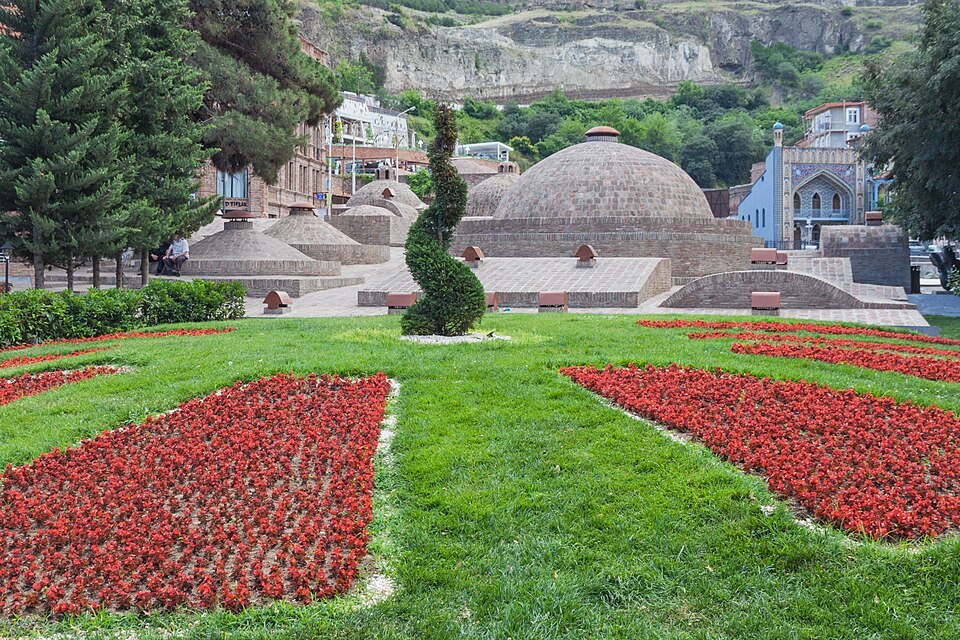
The landscape has not been flattened into one enormous flower bed. The valley directs the paths and reveals different views as you move. Water plays its own part in the route, and a waterfall is among the garden's familiar attractions. Do not confuse it with the waterfall near the sulfur-bath district. Being close on a map does not make them the same stop. Follow the signs within the garden itself.
For a few minutes, change the way you look. In the city, you may begin by searching for a building's name. Here you can start with a leaf shape, shade or the texture of bark. Where there is a label, compare the living plant with the brief statement of its identity. A collection stops being anonymous greenery when you begin noticing differences between individual trees and shrubs.
There is no need to cover the entire site. A botanical garden is often more rewarding at a chosen pace than as a compulsory set of points. Allow time for the return: a pleasant downhill path may become a climb on the way back. Check entry arrangements and path access before visiting, and rest in permitted areas rather than among the plantings.
Think of the fortress on the other side of the ridge. There, the terrain served defence. Here, it supports the cultivation and study of plants. Very different human purposes share the same natural foundations. This stop presents Tbilisi not just as a collection of monuments, but as a place where water, elevation and vegetation continue to shape human activity.
Learn more
Botanical collections have their own form of travel. A plant may originate elsewhere, but it still needs suitable conditions to grow successfully here. A garden is therefore not a random gathering of attractive species. It is an ongoing relationship between climate, soil and human work. If a label gives a plant's origin, compare that place with where you are standing. A small piece of information can turn a short walk into an imagined journey far beyond Georgia.