LISTEN TO THE PLACE
A story worth knowing
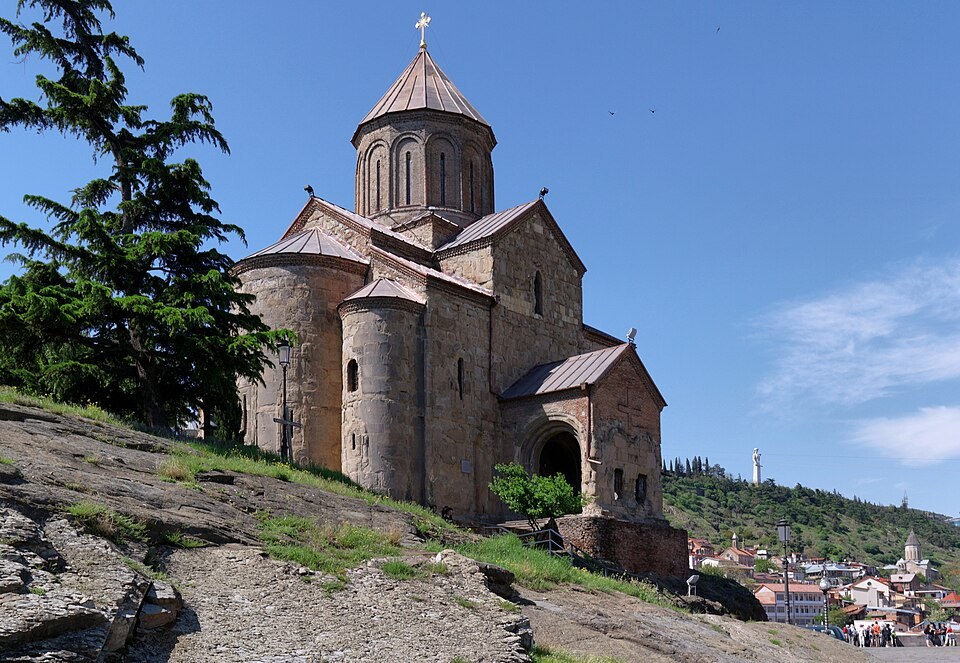
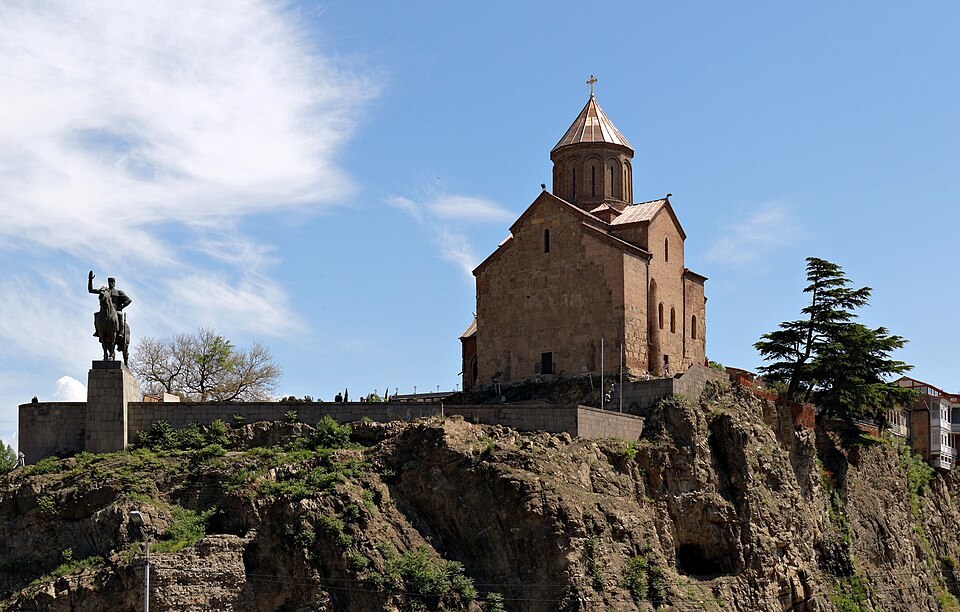
At Metekhi, architecture and rock are difficult to separate. The church stands above the Mtkvari River, also known as the Kura, as though the cliff were an enormous part of its foundations. Nearby, a rider extends his hand towards the city. The statue represents Vakhtang Gorgasali, the king traditionally associated with Tbilisi's foundation. Church and horseman together form one of the old centre's most recognisable views.
It is important not to merge their dates. Vakhtang lived long before most of the present church was built. The surviving medieval structure belongs mainly to the late thirteenth century and the reign of King Demetrius the Second. The site's earlier history reaches further back, but the statue beside the church does not mean that this king constructed the walls you see today. The monument itself adds another, much later layer to the scene.
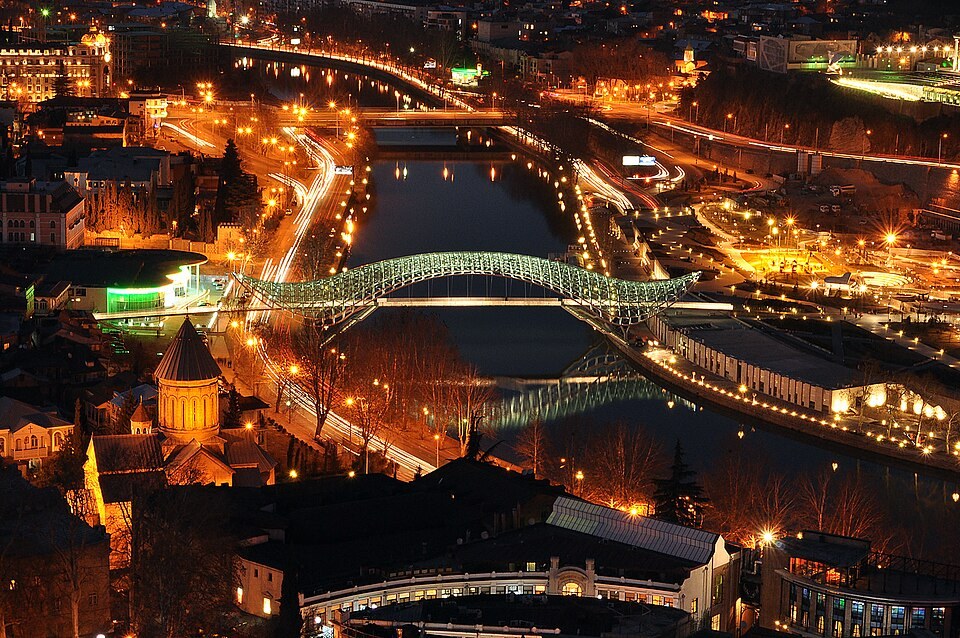
The setting is both dramatic and practical. This high bank overlooks the river and the opposite part of town. Narikala rises across the water, with houses crowded below it. You can understand why heights and river crossings mattered so much. The water connected neighbourhoods, yet also obliged people to find suitable places to cross. Land around a bridge therefore acquired particular importance.
Metekhi has not had a quiet history. Fortified and royal structures occupied the area, and a prison was later built here. The use of neighbouring buildings changed, as did the authorities' attitude towards the church itself. Demolition was considered during the Soviet period, but the church survived. Worship resumed in the late nineteen-eighties. Its presence today owes something both to medieval builders and to much later people who argued for its preservation.
Notice the different kinds of movement in the scene. The horse and the king's extended arm create a directed gesture. The church, by contrast, appears compact and still. Beyond them, water and modern traffic continue moving. A small area brings together three rhythms: commemoration, religious life and everyday circulation.
If you approach the church, give worshippers space and enjoy the panorama from protected viewing areas. Metekhi is memorable less for its size than for its exact position above the river. A relatively small building, placed here, can hold the attention of an entire city landscape.
Learn more
Metekhi is a useful place to read the old city's terrain. Look across the river and follow the streets as they climb away from the water. On a map they may seem close together, although stairs and steep slopes separate them. A clear view across the river does not necessarily mean a short walk. First locate an actual crossing, then consider the height of your destination. The panorama becomes a practical guide to planning the next part of your route.