LISTEN TO THE PLACE
A story worth knowing
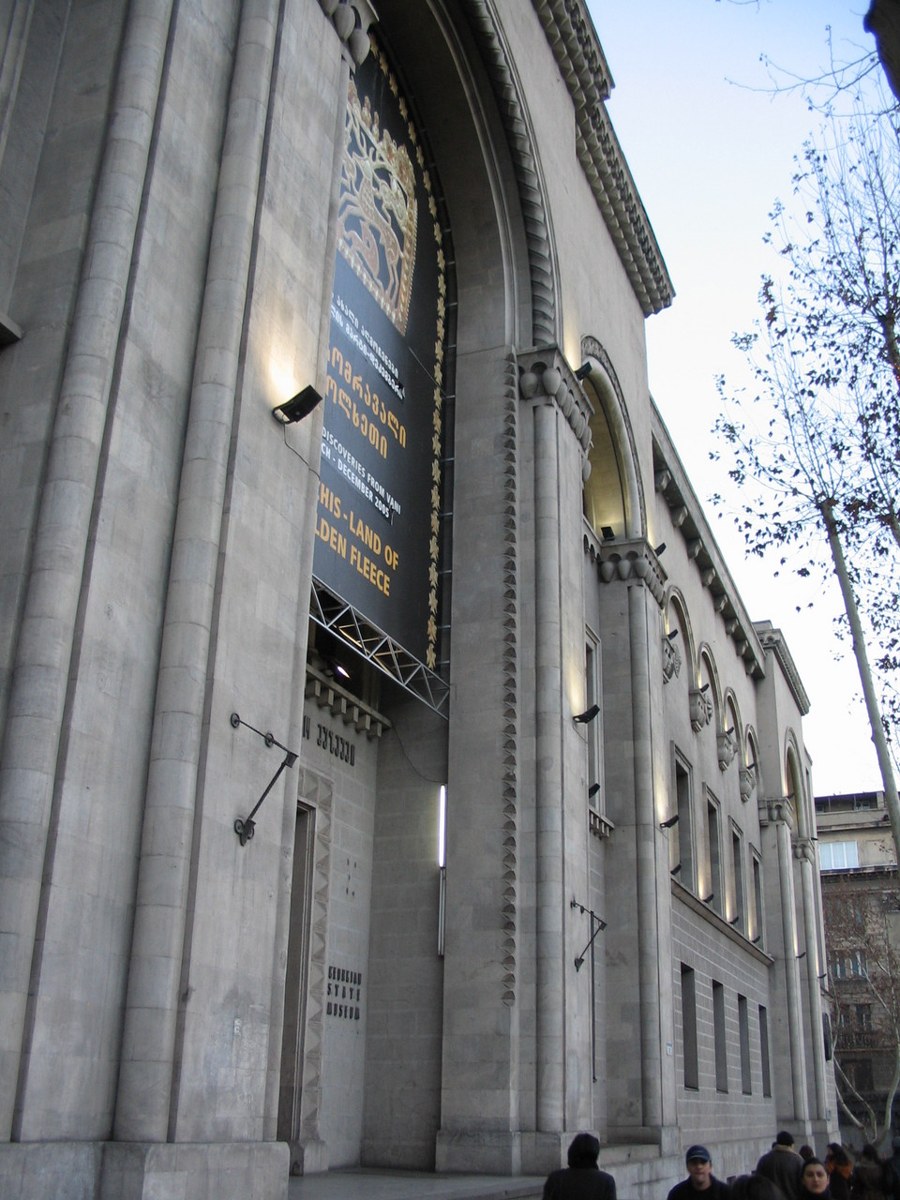
On the street, we meet Tbilisi through its buildings. At the Museum of Georgia, the scale of time changes sharply. Behind the façade on Rustaveli Avenue is a history much older than the city itself. Archaeological finds, jewellery and everyday objects bring us closer to people who left neither photographs nor the kinds of biographies we recognise today.
The museum is named after historian Simon Janashia and belongs to the Georgian National Museum system. Those names can be confusing. The National Museum is an organisation containing several institutions; this is the particular Museum of Georgia, with its own address and collections. Its history reaches back to a museum collection established in the middle of the nineteenth century, whose structure and name subsequently changed.
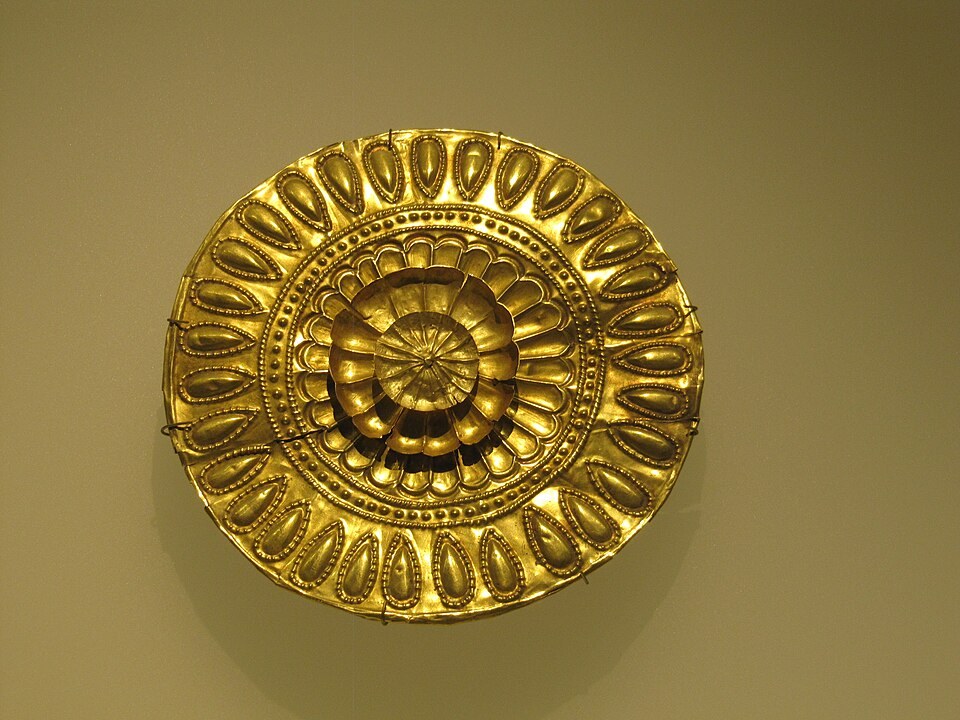
Ancient metalworking is one of the collection's striking subjects. Gold immediately attracts attention, but look beyond the shine. A small clasp or ornament can speak about craftsmanship, exchange and its owner's social position. An object that fits into a hand may connect more places and people than a much larger building.
Another important horizon is represented by discoveries from Dmanisi, associated with early members of the human genus. Dmanisi is not in Tbilisi. The museum brings together evidence from different parts of the country. That distinction matters: an exhibit tells the history of its place of origin, rather than proving that everything displayed was found beneath the museum courtyard. If a particular object is central to your plans, check the current displays before visiting.
Inside, choose a few objects and ask each of them simple questions. What material is it made from? Who might have used it? Which features are practical, and which were intended to impress? You need not know every dynasty to begin recognising human decisions. A vessel's handle, a repaired surface or a complicated fastening can make the past feel closer than a long sequence of dates.
Even if you are only passing today, the museum can change how you understand the walk. Stone churches and the fortress represent only part of this land's history. Earlier communities, crafts and networks of exchange lie behind them. A city is not the beginning of every story, but one of its later and more visible layers. Return with enough time to avoid reducing thousands of years to a hurried passage between display cases.
Learn more
A museum label can matter more than your first impression of an object. It may distinguish where the piece was found, where it was probably made and when it was used. These need not coincide. Objects travelled with merchants, changed hands as gifts and passed between generations. A discovery in Georgia does not necessarily imply manufacture at the exact findspot. Behind a still display case, a world of movement and connections begins to appear.