LISTEN TO THE PLACE
A story worth knowing
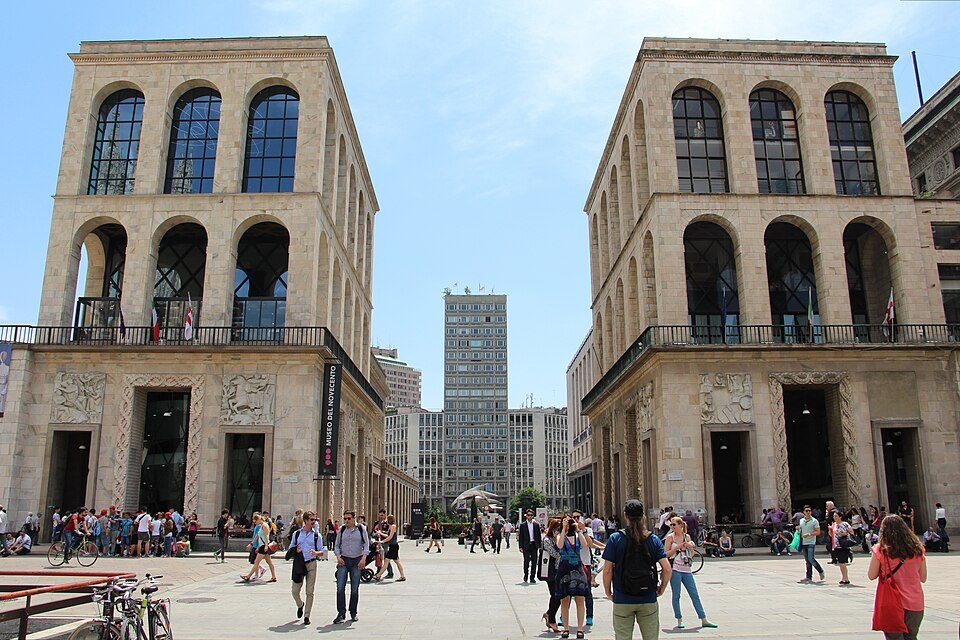
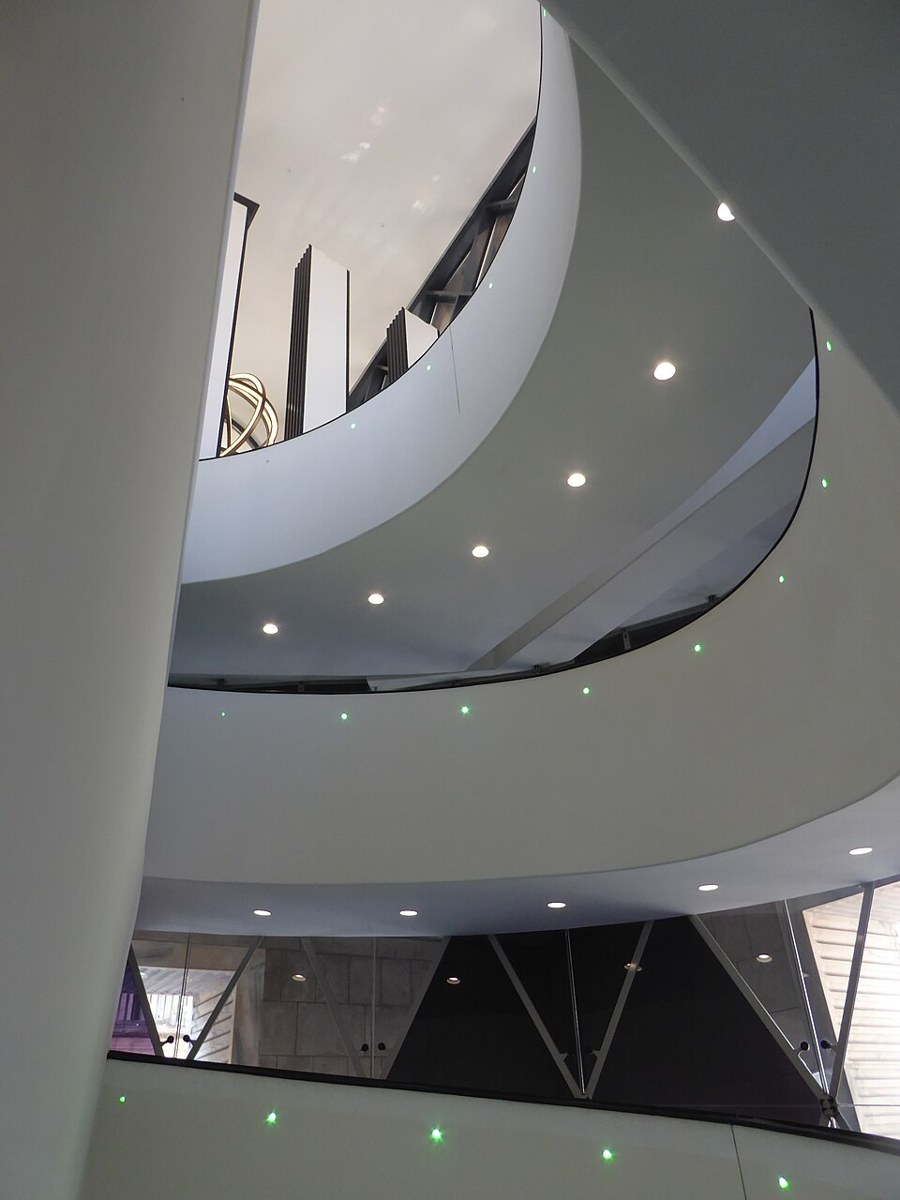
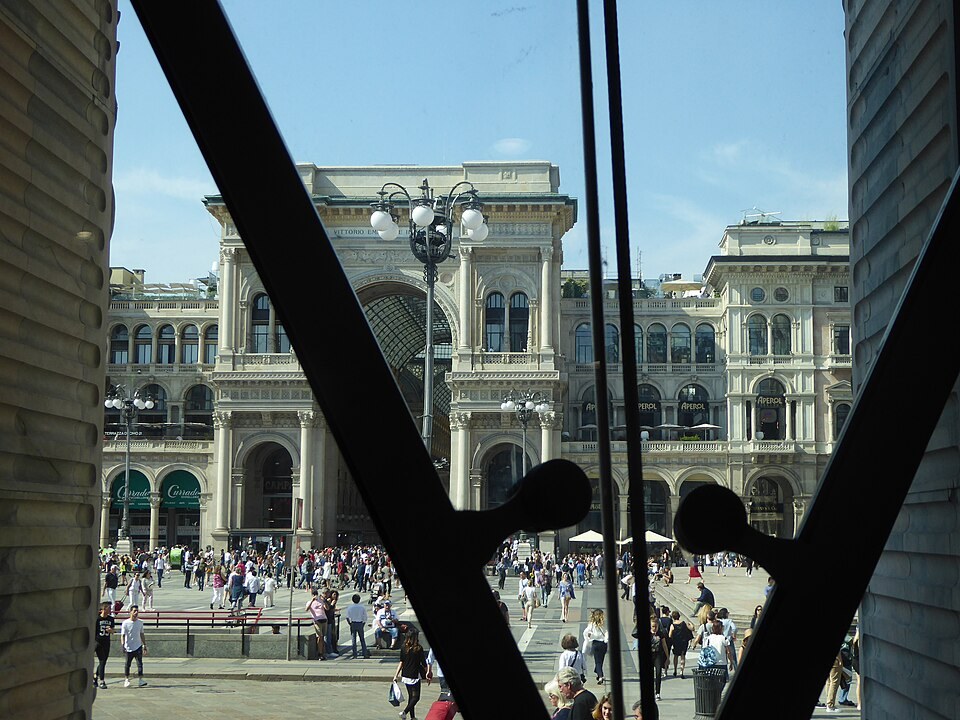
On Piazza del Duomo, the cathedral can absorb nearly all your attention. Yet nearby stands a building with a very different idea of visual expression. Broad surfaces, a firm rhythm of openings and restrained ornament identify the Arengario, home to the Museo del Novecento, Milan’s museum of twentieth-century art.
In Italian, Novecento refers to the twentieth century. The name does not simply mean the newest art. It establishes a historical frame in which artists reconsidered movement, form, materials and the purpose of making an artwork.
The museum opened in twenty ten, providing a new setting for works from Milan’s civic collections. It is another example of the city adapting existing architecture. A building created in a different political period acquired a new public function as a place for encountering art and the difficult questions that art can raise.
Italian work forms the core of the collection, including Futurism. For the Futurists, speed, technology and metropolitan life were more than subjects to illustrate. They searched for ways to represent the experience of movement itself: how an object changes in space, how the eye combines impressions, and how a modern street differs from a stable classical scene.
Umberto Boccioni, one of the movement’s principal artists, was closely connected with Milan, and his work is represented in the collection. You do not need to memorise artistic labels before asking a straightforward question: how can a motionless painting or sculpture communicate something that is constantly moving?
Later art introduces other challenges. Colour may cease to describe a familiar object; a material can become the central subject; light and physical space may operate as artistic tools. When encountering an unfamiliar work, it can help to observe what is being done before deciding whether you like the result.
If you remain outside for now, compare the museum with the cathedral across the square. This need not become a competition between old and new. Different generations of Milan used different forms to express what mattered to them. The museum preserves those differences rather than requiring every period to conform to one shared taste.
A museum visit deserves its own time within your day. Even a short pause at the building, however, offers a useful change of attention. After centuries of carved stone, you can consider the city through artists who sought a language for speed, uncertainty and transformation.
Learn more
Boccioni’s sculpture Unique Forms of Continuity in Space is familiar to many people through the Italian twenty-cent euro coin. It is a useful example of an avant-garde artwork entering everyday life. An unusual walking figure ends up beside keys and loose change, although such forms once challenged the viewer’s expectations. When looking at Futurist work, distinguish a represented movement from your own sensation of movement. The artist was interested not simply in a person’s pose, but in the relationship between a body and the surrounding space through which it moves.