LISTEN TO THE PLACE
A story worth knowing
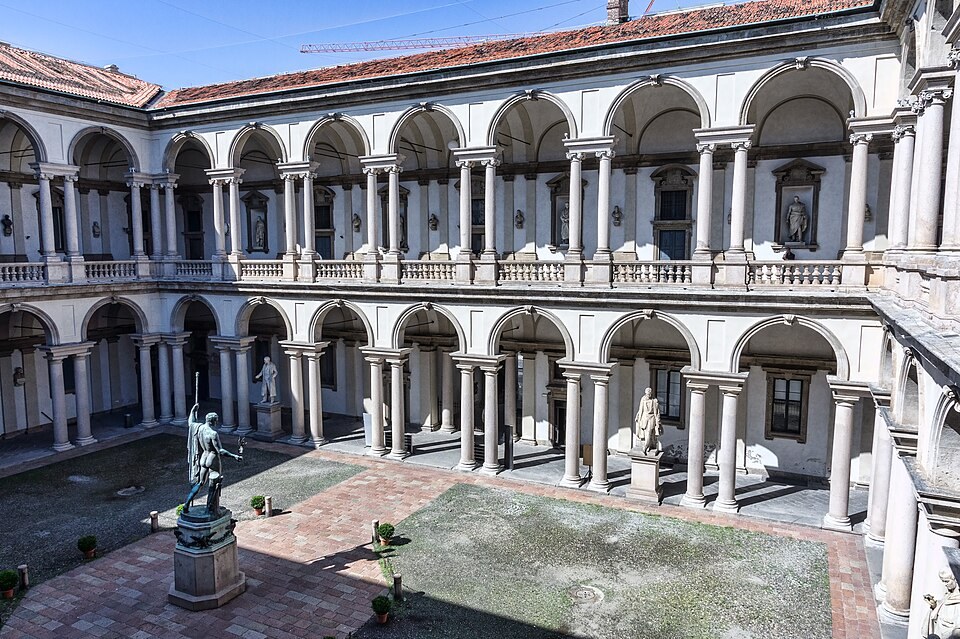
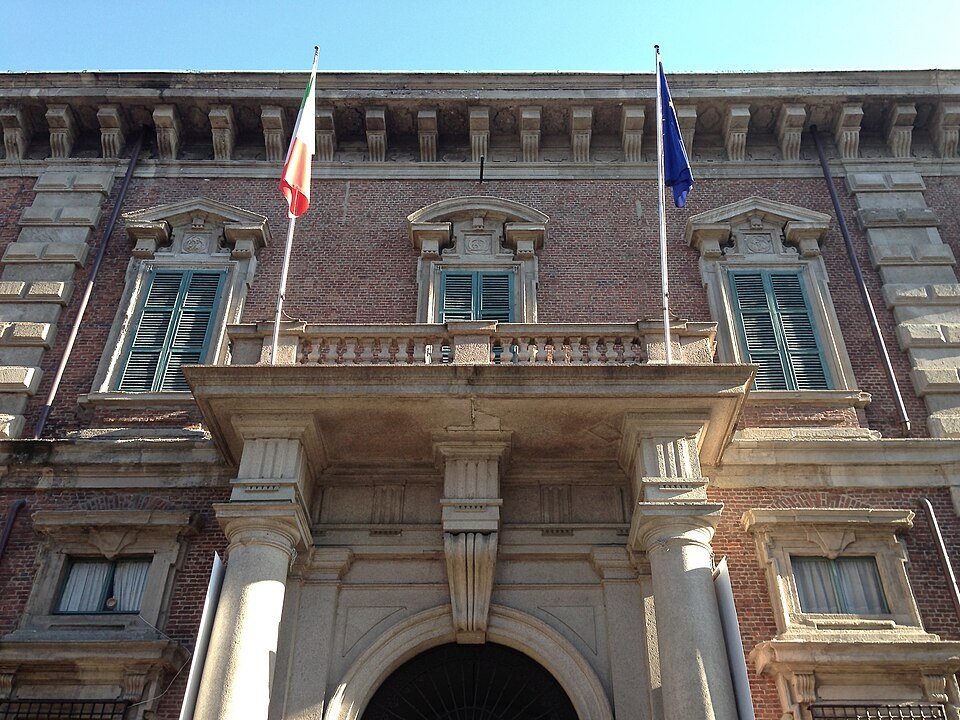
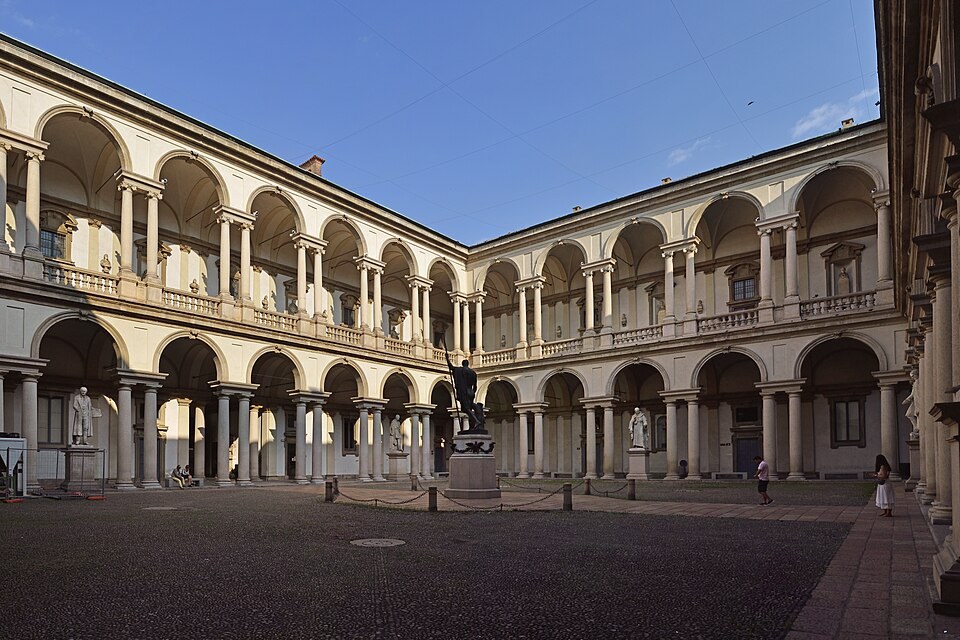
Brera does not begin with a painting on a museum wall. First come a courtyard, arcades, staircases and people moving through the palace for different reasons. That is an important introduction. This is not simply an isolated treasure house, but a setting where education, research and public encounters with art share the same address.
The collection grew beside the Academy of Fine Arts, founded under Maria Theresa in seventeen seventy-six. Paintings served a practical educational purpose. Students could study important works closely, comparing composition, colour and ways of representing the human figure.
The Pinacoteca was formally established as a major gallery in eighteen oh-nine, during the Napoleonic period. Works arrived from churches and monasteries, including religious institutions that had been suppressed. Behind the apparent order of the collection lies a more complicated story of political decisions, displaced objects and changing uses.
A painting created for a particular altar acquires a different life in a museum. Visitors compare it with neighbouring works and approach it through the artist’s name or a wider history of painting. Its earlier meaning does not disappear, but a new audience and a different way of looking are added.
Brera’s collection includes famous works such as Andrea Mantegna’s Dead Christ and Raphael’s Marriage of the Virgin. If you are planning an interior visit, consider choosing a small number of works for close attention. A large gallery becomes more rewarding when there is time for an individual painting, rather than only an effort to recognise as many celebrated names as possible.
In the courtyard, notice Napoleon represented in the form of an ancient deity. The bronze follows a model by Antonio Canova. It is a reminder that cultural institutions are often connected with political power through images and self-presentation as well as through funding.
Then look at the repeated arches and the passages between different levels. The courtyard makes Brera feel like a working cultural place, not just a sequence of rooms waiting behind a ticket desk. The surrounding streets and the people passing through belong to that experience too.
Even a brief stop can reveal the difference between thinking of a museum as a list of masterpieces and understanding it as a place where looking is learned. Brera gathers individual artworks, but it also preserves the long human effort to study, discuss and care for what other people have made.
Learn more
Pinacoteca is a word for a picture gallery, derived from ancient Greek terms associated with pictures and storage. Brera’s history shows how much more is involved than keeping objects safe. Paintings require research, conservation, lighting and an explanation of their origins. During an interior visit, look beyond the artist’s name to information about where a work came from. A brief reference to a former church or collection can open a second story: the object’s journey from its original purpose to its encounter with the visitor standing in front of it today.