LISTEN TO THE PLACE
A story worth knowing
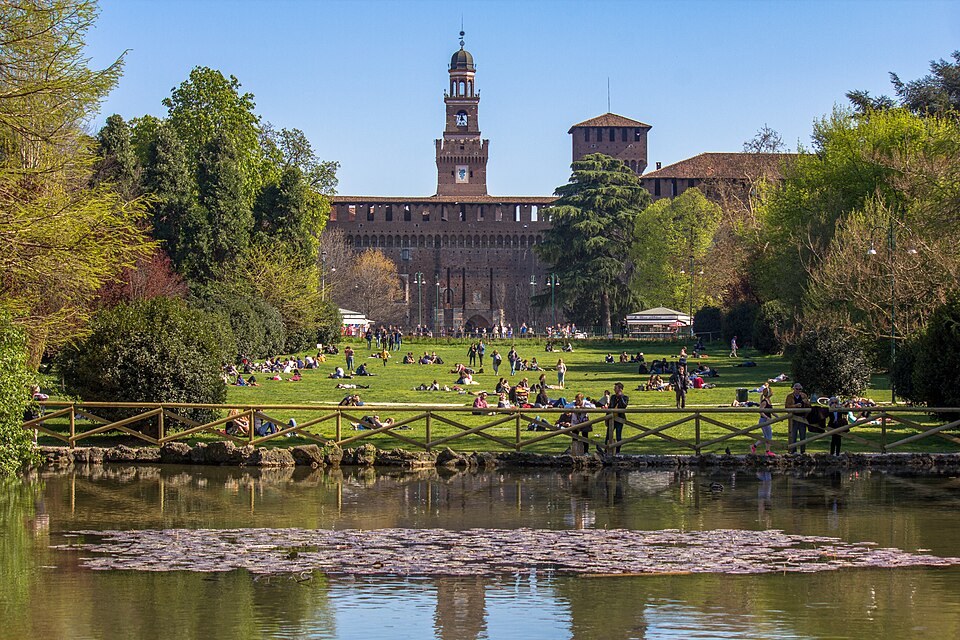
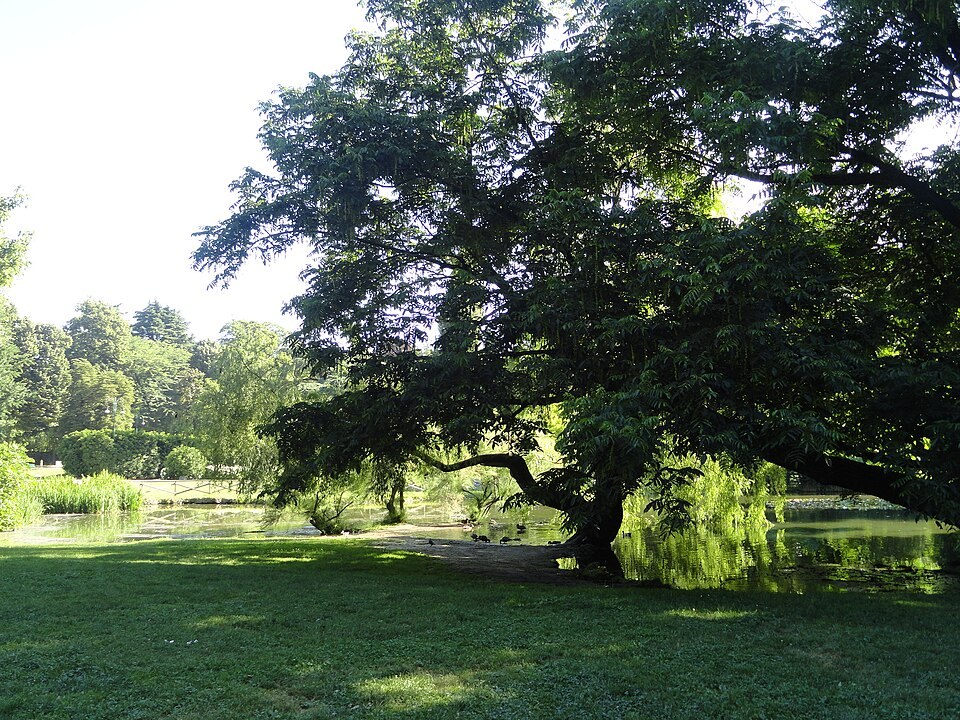
After the stone squares of central Milan, Sempione Park may seem like a welcome pause: trees, paths, water and people relaxing on the grass. Yet this is not simply an area the city happened to leave undeveloped behind the castle. It became a deliberately designed public landscape at the end of the nineteenth century.
The land had already served very different purposes. Under the dukes it formed part of a larger landscape of gardens and hunting grounds. Later, it was used by the military as a parade ground. When Milan decided to preserve Sforza Castle, it also had to consider the future of the open area behind its walls. The eventual choice gave the city a park rather than another dense piece of urban development.
Architect Emilio Alemagna designed the landscape, with the principal work carried out in the early eighteen nineties. He drew on the English landscape garden: curving paths, gentle changes of level, informal groups of trees and views that appear gradually. The setting looks relaxed, but that effect is carefully composed.
Notice how a curved park path differs from a straight city street. A street often presents its direction and destination immediately. Here a tree can conceal the view, a turn can alter the apparent distance, and a patch of water can bring the sky down to ground level. Walking becomes an exercise in attention as well as movement.
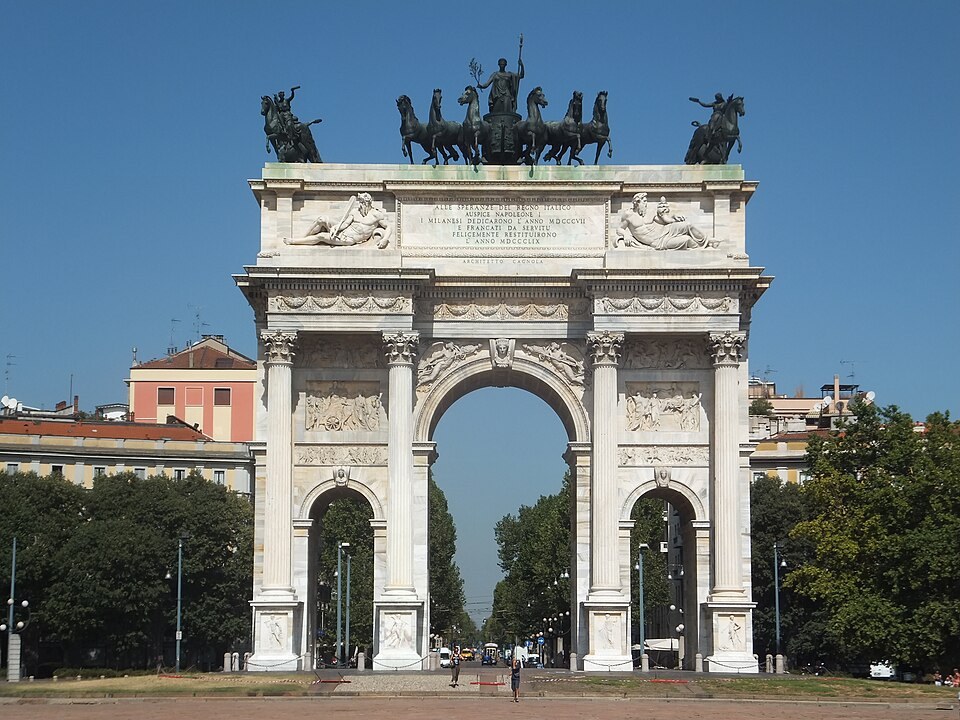
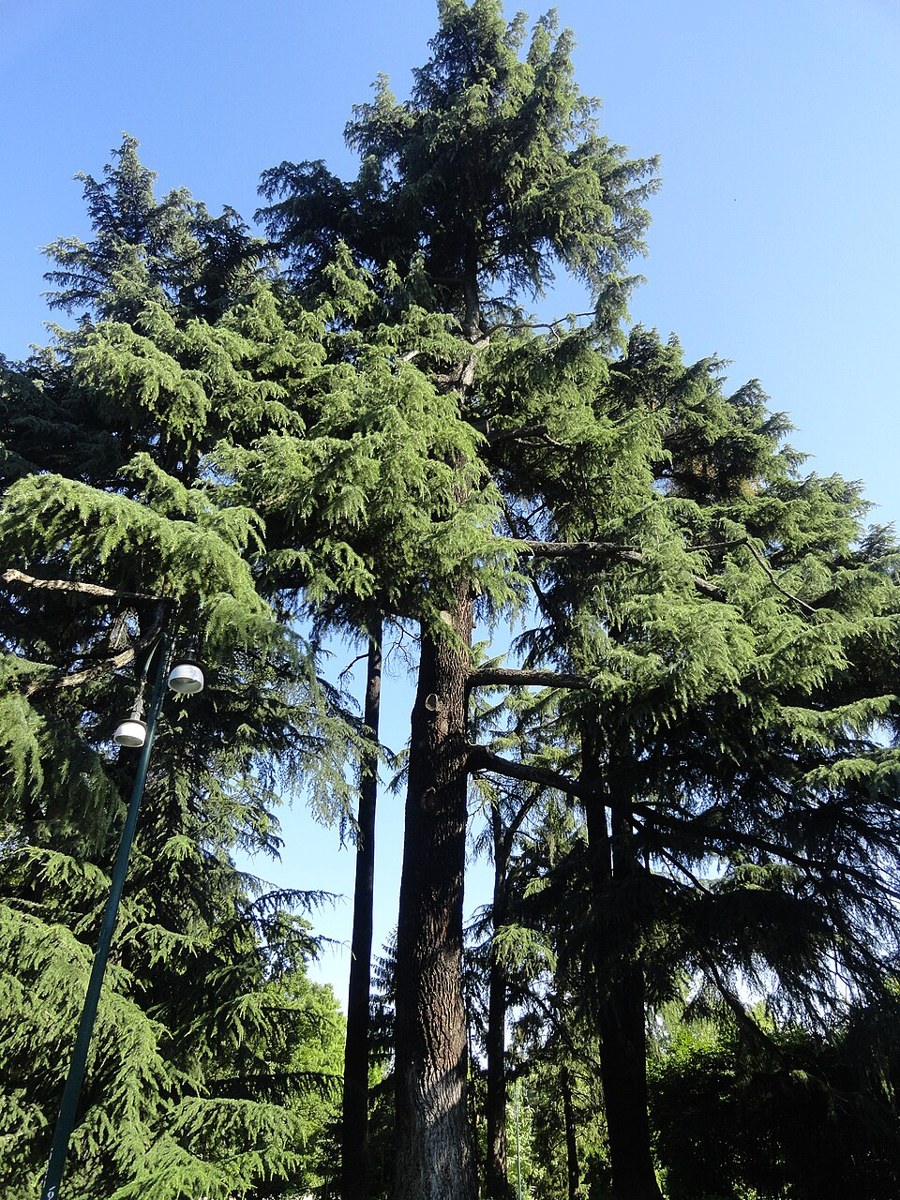
Sempione nevertheless remains connected with Milan’s grand architectural landmarks. Sforza Castle stands at one end and the Arch of Peace at the other. They can be understood as different frames around the green space: the city of the dukes and the city of nineteenth-century monumental projects. Where the trees allow, compare the scale of a tower or an arch against the surrounding leaves.
The park also belongs to many kinds of everyday visitor. Someone is heading to a cultural venue, another person is running, reading or waiting for a friend. That ordinary activity matters. A former military ground has become a place where people can choose different directions and different rhythms.
For a short stop, stand safely beside a path and listen. Footsteps, voices, birds and distant traffic occupy the same space. Milan has not disappeared behind the trees; its volume has changed. Sempione does not remove you from the city. It offers another way to spend time within it.
Learn more
A natural-looking landscape can be highly designed. Curving paths, small rises and the placement of trees can direct attention as precisely as a building’s walls and windows. Imagine replacing the nearest winding path with a straight line. Which views would appear sooner, and which would disappear? It is a simple way to notice Alemagna’s work without a plan or technical vocabulary. In Sempione, the achievement lies not only in individual attractions but in the arrangement of distance, shade, movement and opportunities to pause between them.