LISTEN TO THE PLACE
A story worth knowing
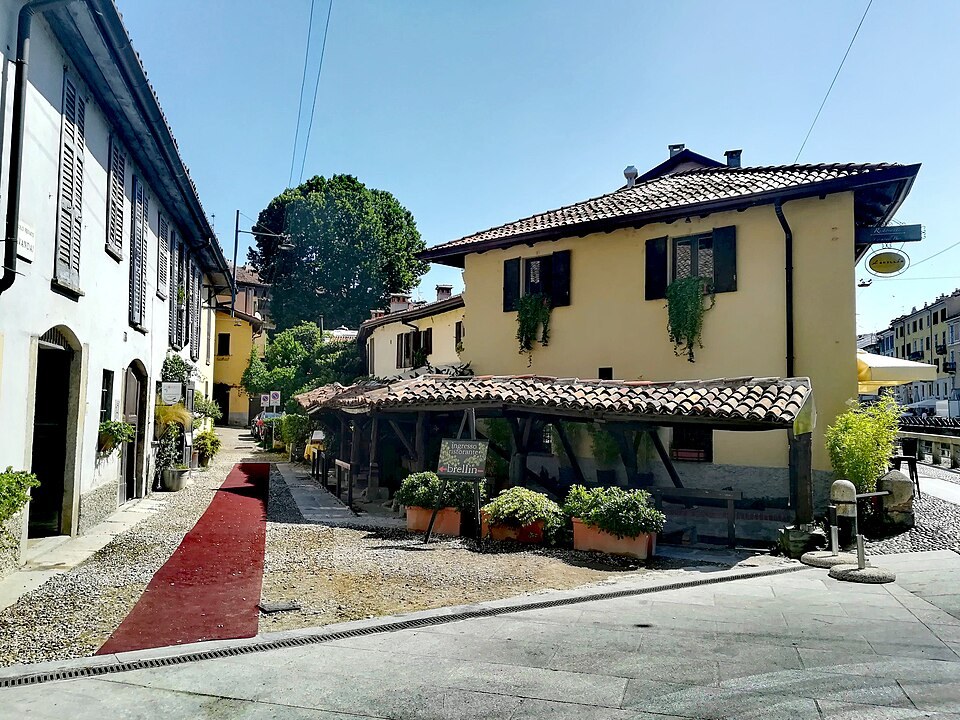
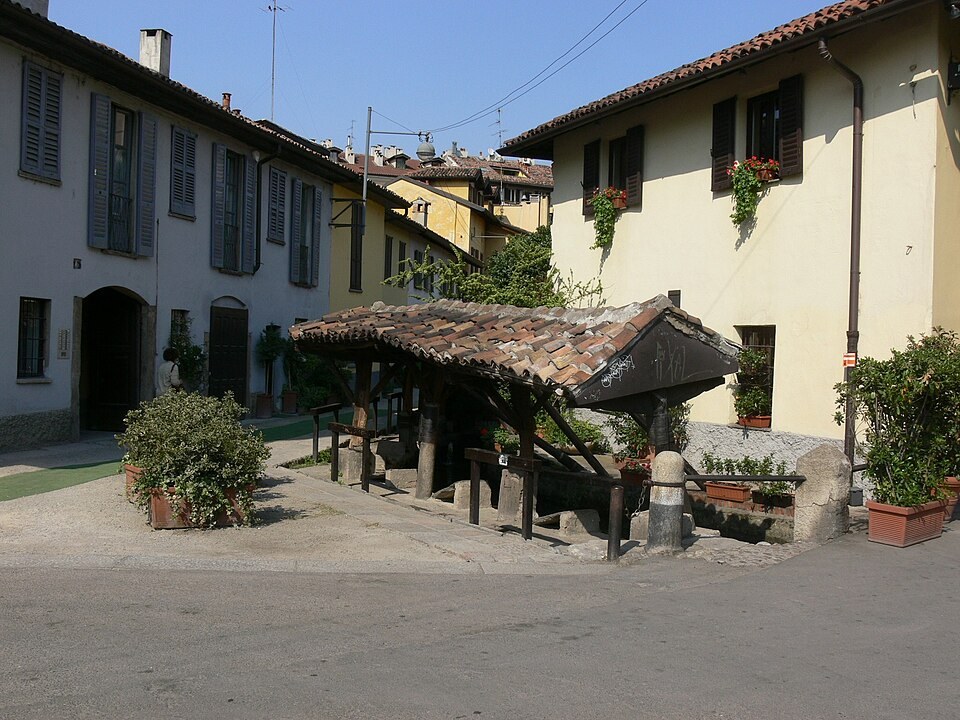
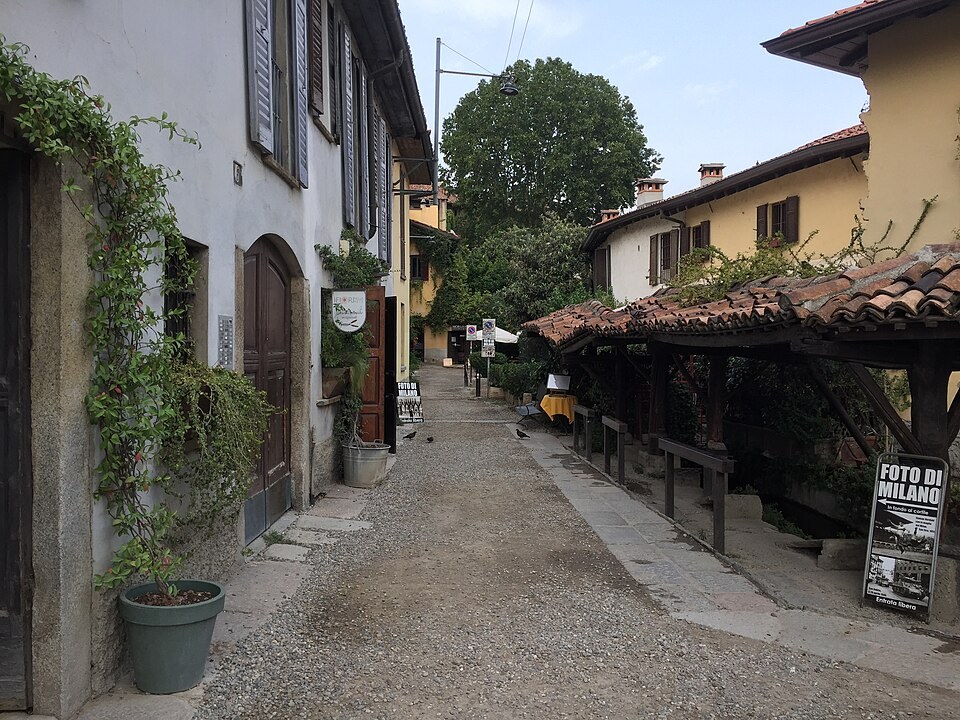
Beside Naviglio Grande, this small lane can look like a corner arranged especially for photographs. Low buildings, a shelter and a narrow passage make a picturesque scene. Yet Vicolo dei Lavandai preserves the memory of work that was neither effortless nor particularly romantic. This was a place for washing laundry.
The name is often translated as Washermen’s Alley. The Italian word lavandai is masculine, recalling that men also worked professionally in this trade. Arrangements changed over time, and the familiar image of women washing beside water does not tell the whole story of an organised urban occupation.
Look at the practical layout. Sloping stone surfaces provided support for handling wet cloth, water came from the canal system, and the roof offered some protection from the weather. These details are not ceremonial. Their shapes relate to hands, heavy laundry and the need to repeat the same actions many times.
Today, clean clothing usually depends on a machine hidden in a home or laundry business. Earlier, the work could occupy a visible part of the street. Everyone encountered the finished result, while the effort behind it was easily overlooked. This small place allows that effort to return to the history of Milan for a moment.
The story involves more than picturesque poverty or unfamiliar household routines. The laundry trade connected different parts of the city. Someone used the garments, someone brought them to the water, and someone washed and returned them. The canal was not merely an attractive line on a map. It was a resource around which work and services developed.
Look from the lane towards the waterfront. The difference in scale is revealing: outside lies a long view along the water; within is a sheltered space organised around a specific task. Quiet places like this help explain a city through something other than palaces and the names of rulers.
There is no need to invent detailed conversations or characters from the past. The surviving arrangement already provides enough evidence for a thoughtful visit. Stone, water and shelter show how an everyday public need received a practical spatial solution. Vicolo dei Lavandai reminds us that urban history includes the repeated work required for other people to step into the street wearing clean clothes.
Learn more
The lane offers a useful exercise in observation. Choose one element and ask what practical problem it addressed. A roof provided shelter, an inclined surface helped with handling cloth, and proximity to the canal supplied water. This differs from looking only for decoration: it connects a place with bodies and actions. Try the same approach afterwards on a modern street, noticing a ramp, bench, drain or doorway. The old laundry place and today’s urban environment have more in common than an initial photograph might suggest.