LISTEN TO THE PLACE
A story worth knowing
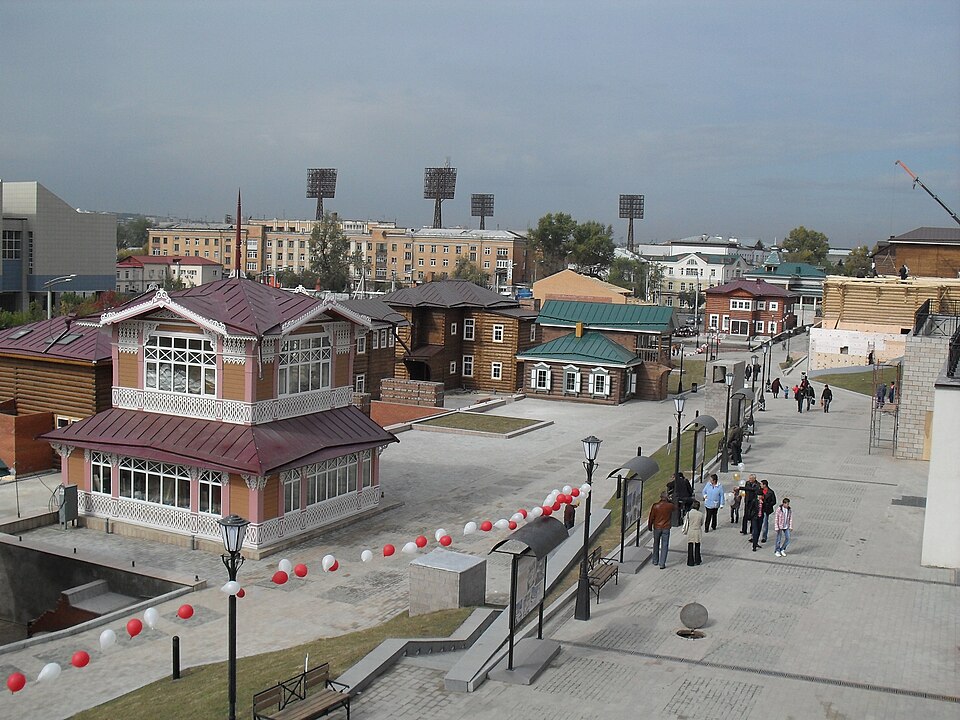
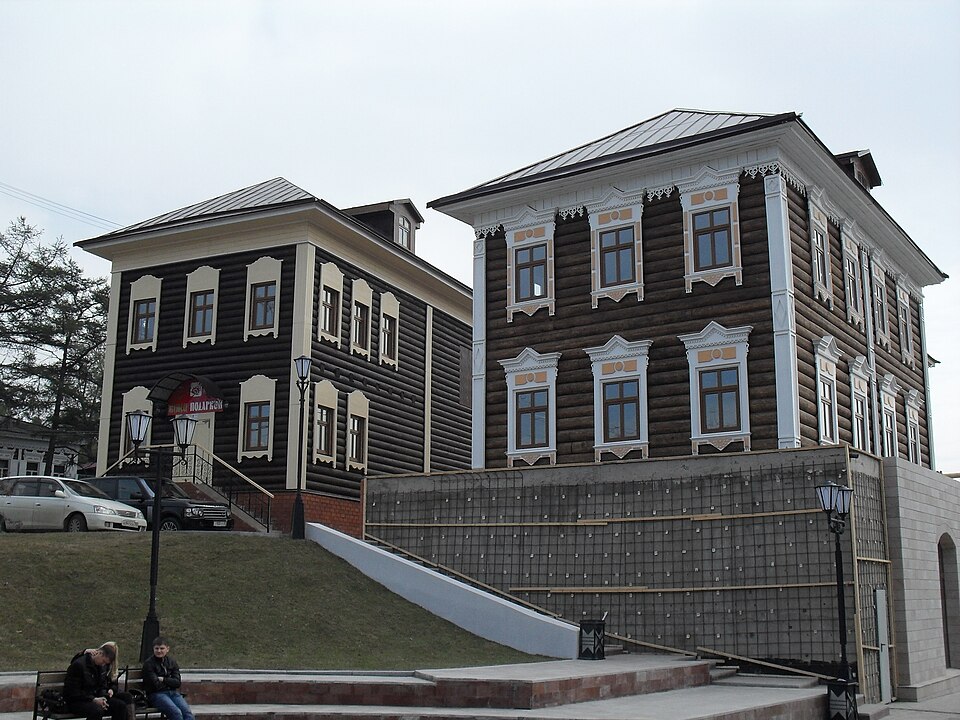
At first glance, this seems an easy place to picture old Irkutsk: low buildings, timber walls and elaborate window surrounds. Yet the 130 Quarter has a more complicated biography. It is a modern regeneration project combining restored monuments, historic houses moved from other streets and new buildings designed to evoke an older townscape. Remembering that distinction makes the walk more interesting than treating everything as an untouched nineteenth-century neighbourhood.
The quarter occupies the area between Sedova, Kozhova and 3rd of July streets. Its transformation gathered pace ahead of Irkutsk's 350th anniversary in 2011. The intention went beyond repairing a few isolated facades: it was to create an entire district for visitors and pedestrians. The experience consequently comes from a succession of small houses, passages and courtyards rather than a single dominant monument.
Timber architecture encourages a close kind of looking. A great stone cathedral usually draws your eyes upwards. Here, attention settles on a window, a roof edge or the meeting of two decorative elements. Choose neighbouring facades and compare their rhythms. How many windows fit across each wall? Where is the entrance? Where does the ornament begin and end? You do not need architectural vocabulary to notice that the houses have individual characters.
A sculpture of the babr, the unusual animal associated with Irkutsk's coat of arms, stands at one of the entrances. Installed in 2012, it makes a memorable meeting point. It is not an ancient statue that has accompanied these houses through the centuries. That distinction echoes the larger project: a familiar civic image can have a thoroughly modern physical form.
The quarter also poses a difficult question. What do we wish to preserve when we preserve an old city: original timber, the original address, a street's scale, or the possibility of continuing to use a building? A relocated house retains material history while losing its former surroundings. A new building may respect the height of its neighbours without becoming a historic monument itself. Those differences matter here.
Choose one house for a closer look and search for information about its history. A plaque can connect an attractive facade to a specific place, period and set of changes. Through that small investigation, the visitor district opens onto a much larger subject: a timber-built city trying to keep its character while adapting to new uses. Carry that attention beyond the quarter, into ordinary streets where historic houses remain part of everyday life.
Learn more
A house can be dismantled, transported and reassembled. Can its place in the city move with it? At the 130 Quarter, that is a practical question: municipal records identify buildings relocated here from other streets.
Moving changes a house's relationships. Its former workshop, neighbouring shop or familiar junction may disappear from the story that a visitor can see. The new approach can emphasise a different side of the building. An address history therefore matters alongside decorative carving: it helps separate surviving material from a setting reconstructed in our imagination.
Picture one house on an ordinary residential street, without the visitor signs around it. Who might have used the entrance, and what might the windows have overlooked? Those are questions, not facts to invent. Simply asking them can turn a picturesque backdrop into something more substantial: evidence of a building that once belonged to a particular everyday world.