LISTEN TO THE PLACE
A story worth knowing
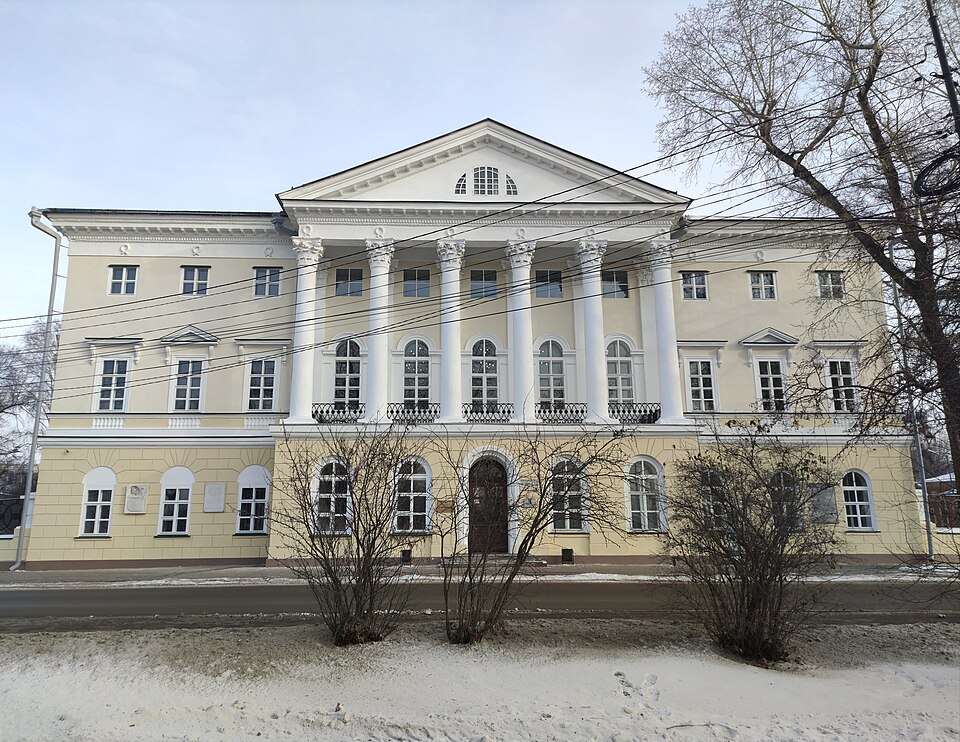
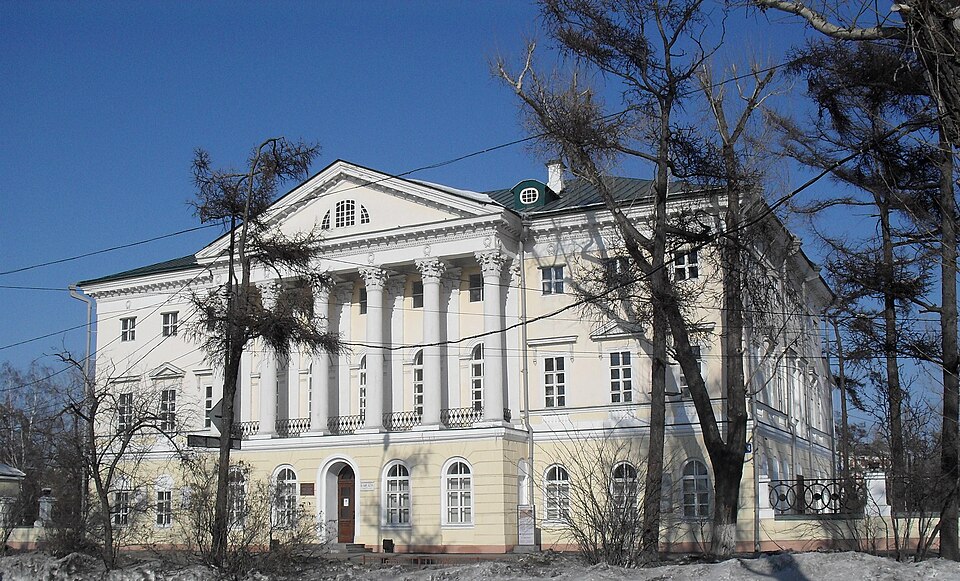
The White House beside the Angara is more restrained than many Irkutsk landmarks. Its effect comes from clear proportions and classical order. Behind that calm façade, commercial, administrative and university histories followed one another.
The mansion was built for the Sibiryakov family. Merchant wealth made it possible to create a residence with the dignity associated with metropolitan architecture. The design is sometimes attributed to Giacomo Quarenghi, but the authorship is not securely documented. It is better treated as a suggestion than as a confirmed work by the famous architect.
In 1837, the building became a residence of the governors-general of Eastern Siberia. Nikolai Muravyov-Amursky is among the figures associated with it. A private home became a place connected with governing an enormous territory, showing how merchant architecture could enter the machinery of the state.
The revolution brought another change. Irkutsk State University occupied the building in 1918, giving a former seat of authority an educational function. Few places show more clearly how one durable structure can outlast several political and social systems.
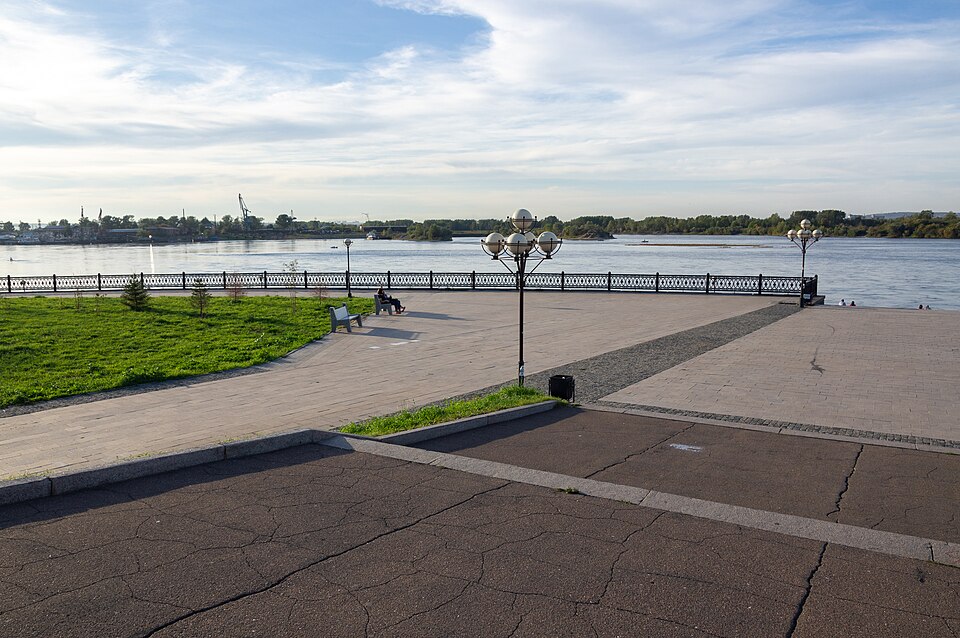
View the façade from a little distance. Balance, repeated windows and a unified volume matter more here than an abundance of ornament. Then look towards the Angara: the riverside position adds dignity and connects the house with the wider cityscape.
You do not need to enter to understand the central story. This mansion embodies changing roles: private wealth, government and education. Architecture makes those chapters tangible as different ways of inhabiting the same house.
Learn more
Attributions to famous architects sometimes arise because a building resembles a recognisable style. Similarity alone does not replace drawings, contracts or other documentary evidence. The uncertainty around the White House is worth preserving: it allows us to appreciate its classical design without turning an attractive hypothesis into an established fact.