LISTEN TO THE PLACE
A story worth knowing
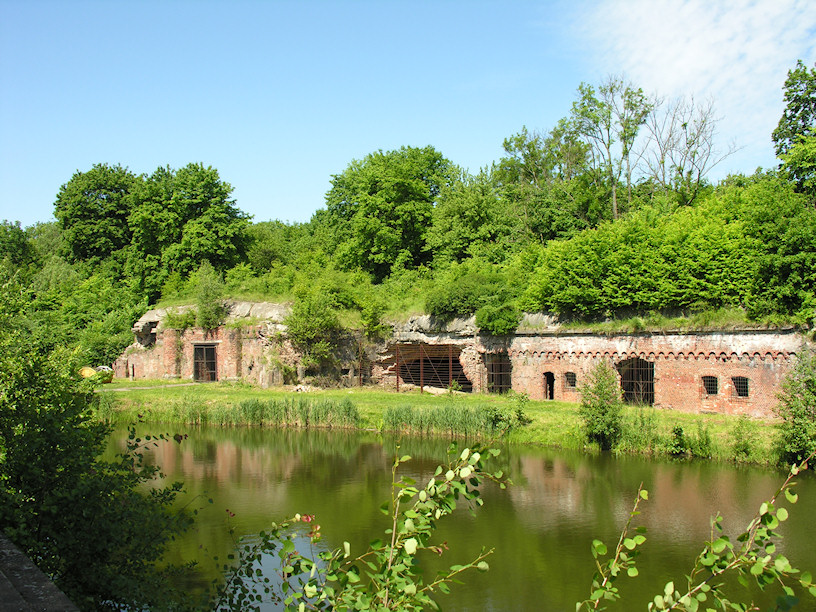
Amber usually brings a small piece of jewellery to mind. That makes the museum's building the first surprise: a massive round tower, battlements and heavy brickwork. The Dohna Tower was built in 1853 as part of Königsberg's defences. A structure intended to withstand military danger now houses a material best appreciated close up, often by looking at the light passing through it.
The museum opened in 1979. A collection devoted to a single material may sound narrow, but amber connects geology, ancient life, trade and craftsmanship. It began as tree resin and changed over millions of years. A piece of amber is therefore more than an attractive object of a particular colour: it is evidence of vanished forests.
Look especially closely at inclusions. An insect, a plant fragment or another tiny remnant may appear to be little more than a speck within a translucent piece. For researchers, that speck can be valuable evidence. Resin was once sticky and mobile, able to trap parts of the surrounding world. Something almost invisible in a display case can consequently reveal more about the past than an impressively large specimen.
Amber varies in colour, transparency and shape. Before cutting and polishing, it need not resemble a familiar bead. Natural forms include drops and accumulations associated with the way resin originally flowed. Try mentally reversing the process: imagine movement before solidification. A motionless object acquires a small history of its own.
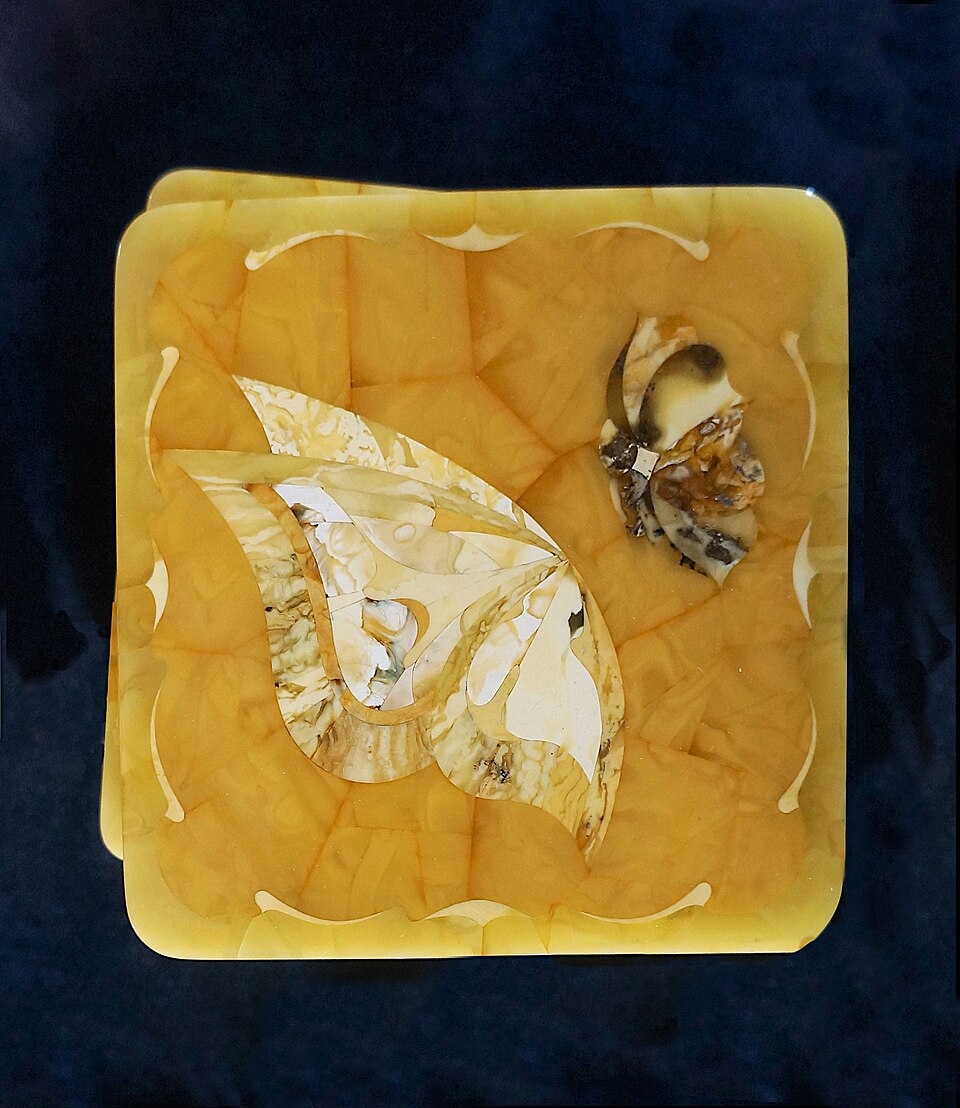
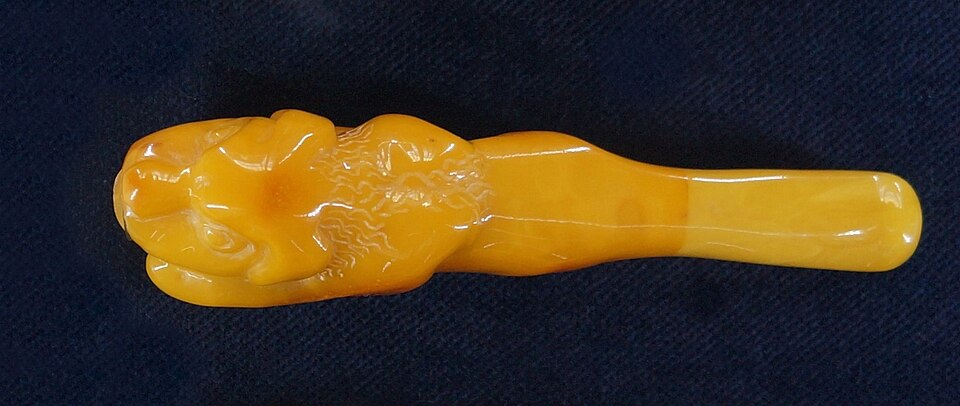
Craftsmanship adds another layer. Makers turn amber into jewellery, sculpture and decorative objects, deciding what to emphasise: clarity, colour, cloudiness or an irregular outline. Some pieces celebrate a smooth worked surface; others preserve a visible connection to the raw material. Looking at them becomes a way of considering an artist's choices as well as nature's possibilities.
Before or after visiting, look back at the tower. The building's history is measured in centuries, the museum's in decades, and the material inside in millions of years. This is a place to change your scale of time without travelling very far. Afterwards, even an ordinary amber pendant may seem different: a meeting between an ancient forest, a maker's work and the person who chooses to wear a small fragment of that past. Neither size nor brightness alone tells you how interesting that meeting will be. Give the less conspicuous pieces a chance to hold your attention too.
Learn more
An insect inside amber seems persuasive evidence of antiquity. Yet fake inclusions have a history of their own. The museum describes examples known in the eighteenth century, long before familiar modern plastics. The desire to possess a rarity encouraged deception as well as collecting.
It helps to separate an object's appeal from claims about its origin. A modern ornament can be attractive in its own right. Whether it contains an organism trapped millions of years ago is a different question, requiring more than an exciting story or an impressive appearance.
Museum research begins where that first impression ends: with investigation of the material and its history. A label beside a tiny specimen can therefore matter more than the specimen's size. It explains what is being shown and why a particular piece deserves scientific attention, turning visual fascination into something that can be examined and understood.