LISTEN TO THE PLACE
A story worth knowing
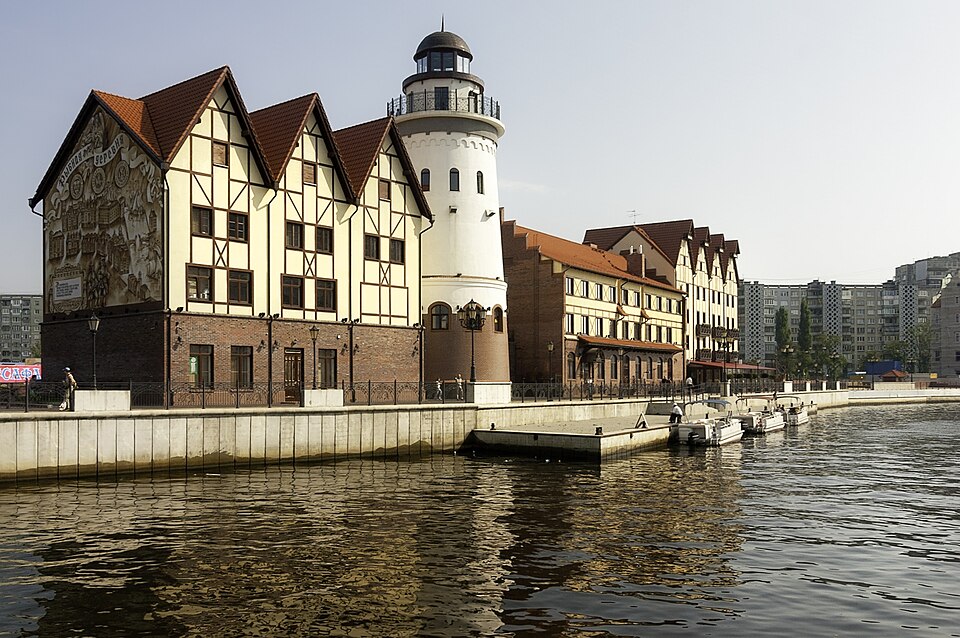
Here, the museum begins before you enter a building. Ships stand beside the waterfront, each designed for a different job: researching the ocean, maintaining communications, operating underwater or helping other vessels navigate. Before examining individual exhibits, compare their outlines. The shapes of their hulls and superstructures already suggest very different kinds of work at sea.
The Museum of the World Ocean was established in 1990. Saving the research vessel Vityaz was central to its beginnings. In 1994, the ship moored at the museum's waterfront in Kaliningrad. It had previously completed sixty-five scientific voyages under the flag of the Academy of Sciences. Its long final berth now provides a setting for understanding those earlier journeys.
A research ship has an unusual biography. Its significant places include points in the open ocean where it stopped to collect measurements, as well as ports. An oceanographic station need not be a building on land. The term can also describe a series of observations made at a particular marine location, allowing scientists to compare conditions across a much larger area.
Think of Vityaz as a combination of vessel, laboratory and temporary home. Exhibitions on board make use of both scientific and living spaces. They help explain why an expedition involves much more than a moment of discovery. Instruments, samples, machinery and the daily routines of people working far from shore all belong to the story.
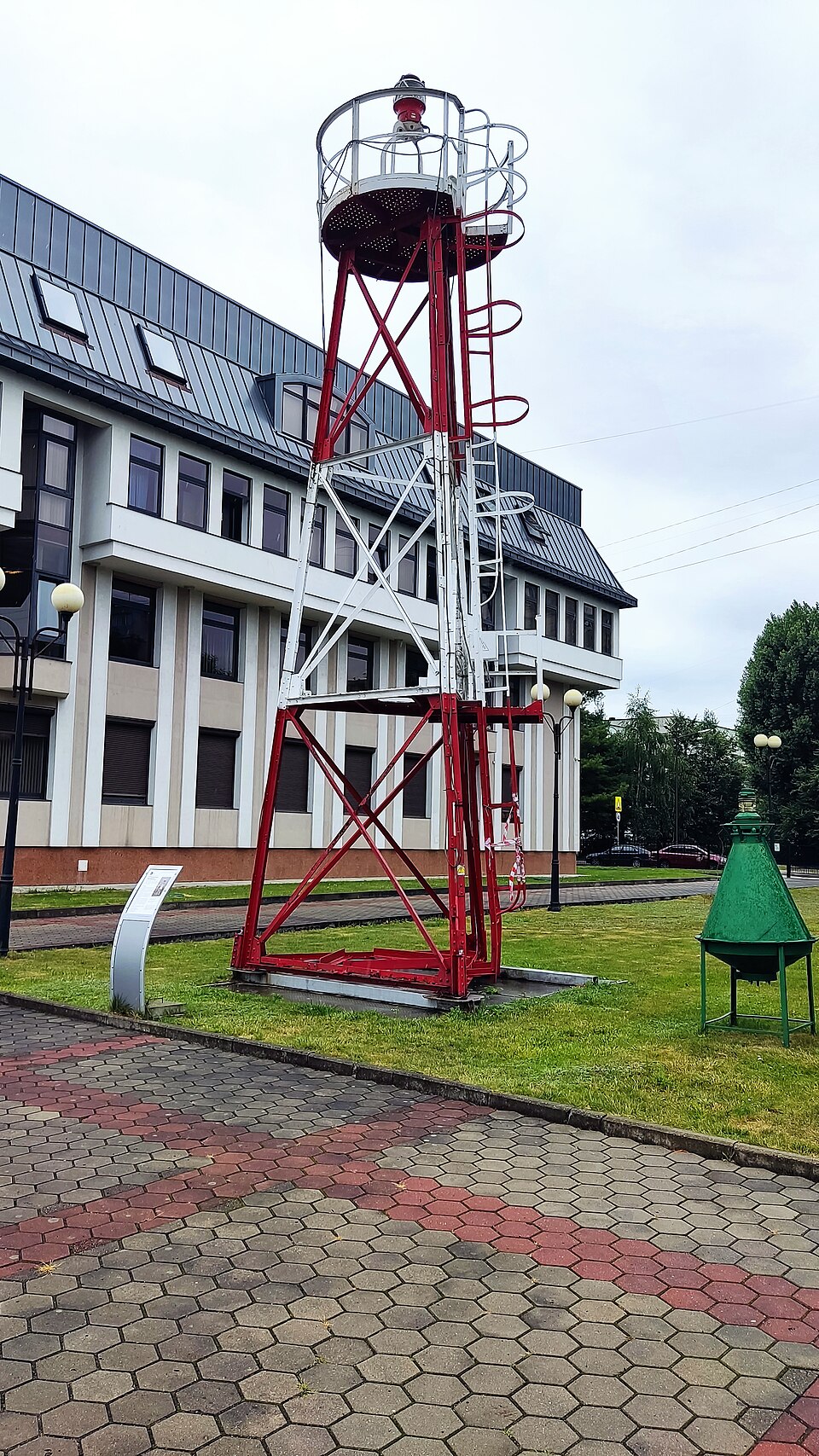
Other vessels introduce different relationships with the sea. The submarine B-413 suggests a world of confined compartments beneath the surface. Kosmonavt Viktor Patsayev connects maritime history with space communications. The lightship Irbensky offers an apparent paradox: its principal task was to stay in one place so that other ships could move with confidence.
The museum's name treats the world's ocean as a whole. That is a useful way to approach it. Seas divided by names on a map remain connected, and studying them brings together physics, biology, geography and the history of technology. Stories about nature and the people investigating it continually overlap.
Choose one thread for your first visit: scientific work, life on board or navigation. Even if you only explore the waterfront today, the ships can become more than an attractive backdrop. Each represents a particular problem people wanted to solve at sea, and a very tangible attempt to solve it.
Learn more
A lightship seems like a vessel that has deliberately given up travelling. From 1962, Irbensky served as a navigational reference for ships entering the Gulf of Riga. It remained at an assigned position: its light needed to mark a known point, rather than move like the lights of ordinary passing traffic.
Light was only part of its work. Sound signals helped in poor visibility, while radio equipment provided another means of identification. These systems complemented one another because clear, calm conditions could never be taken for granted.
The most interesting aspect is the reversal of what we expect a ship to do. We usually associate maritime service with miles travelled and distant ports reached. Here, success depended on reliably staying put. Behind a light seen from another vessel was the crew's daily labour. At the museum, that easily overlooked work becomes the centre of attention.