LISTEN TO THE PLACE
A story worth knowing
This museum introduces the city through something visitors often take home in a box. Chak-chak is easily treated as a sweet souvenir. But food gathers much more around it: family habits, festive tables, ways of welcoming guests and skills passed from one generation to the next.
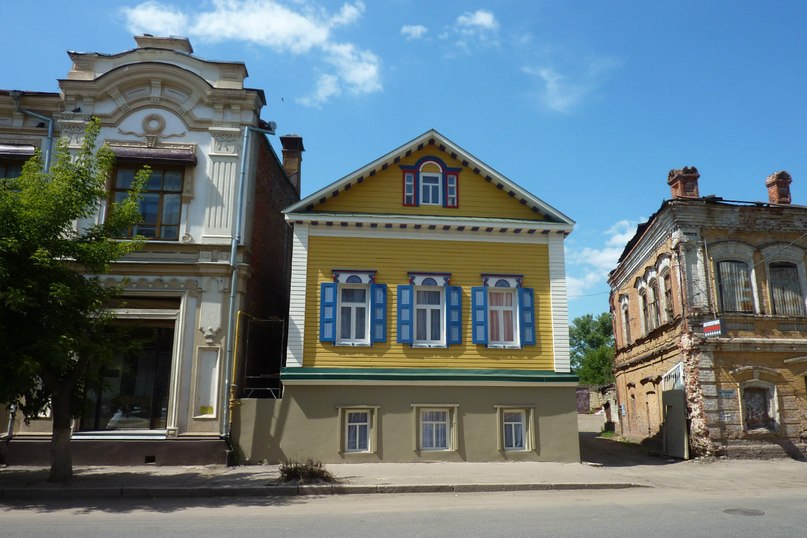
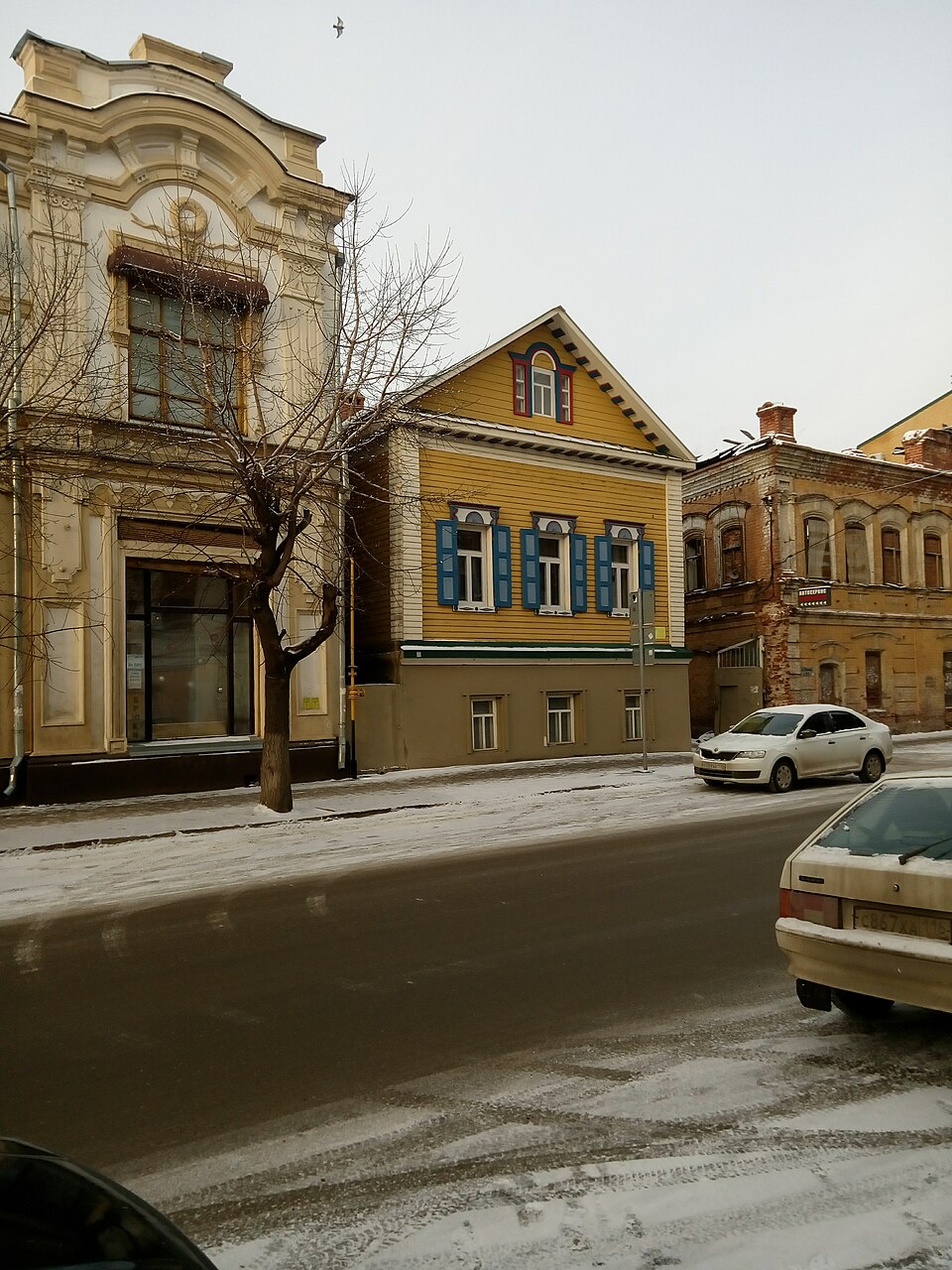
The museum occupies a historic house in the Old Tatar Quarter associated with the merchant Vafa Bigayev. The setting matters. Domestic history feels different in an old home from the way it feels in a large, neutral exhibition hall. The scale helps us move from fortresses and rulers to the world of everyday objects.
Look at the house from outside. Think of the things that make any home liveable: a table, dishes, fabrics, storage and light. We often identify an era by its grand buildings, but a sense of life emerges from smaller details. Here those details introduce Tatar domestic culture and hospitality.
Chak-chak is made from small fried pieces of dough held together with a sweet honey mixture. That simple description contains several kinds of work: mixing, cutting, cooking and assembling. Behind the familiar taste is a sequence of actions best passed on through demonstration and practice.
Family recipes can differ. There is no need to expect one single correct household version. The differences are interesting too. Who prepared it? For what occasion? Who helped with each part of the work? Such questions turn a product into a human story.
The museum's programmes involve traditions and tea. Check visiting arrangements and any booking requirements separately: an outdoor stop on this walk does not automatically include a guided visit or tasting. Even from outside, though, it is easy to understand why a food museum belongs among the quarter's mosques, mansions and memorial houses.
Think of a dish connected with your own family memories. You may recall a person, a smell or a particular day before you remember the exact recipe. That experience offers a way into someone else's tradition without treating it merely as something exotic.
When you see a box of chak-chak in a shop later, it may look slightly different. Behind the souvenir are a household table, skilled hands and the wish to offer a guest something good.
Learn more
A dish's historical origin and a family's tradition of preparing it are different subjects. The first requires historical sources; the second can survive in people's memories and practice. A charming tale about a sweet invented for a ruler does not, by itself, establish when it first appeared.
During a museum visit, ask what changes from family to family. The answer may reveal more than a debate about a single authentic recipe. Notice how the food is presented as well. The same sweet takes on different meanings as an everyday treat, a festive gift or a souvenir brought home from a journey.