LISTEN TO THE PLACE
A story worth knowing
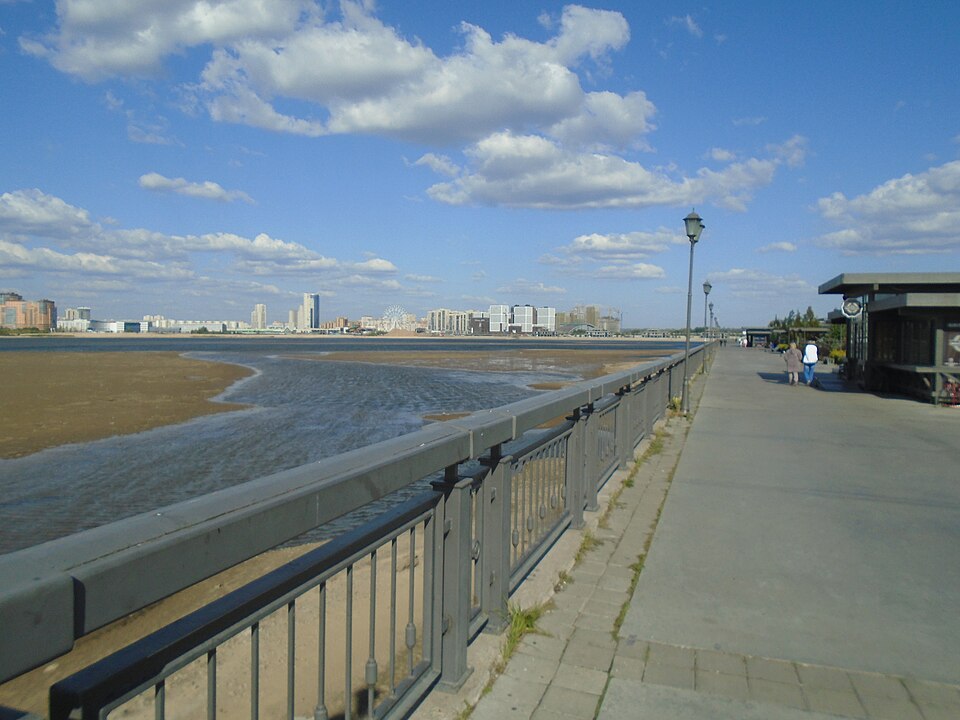
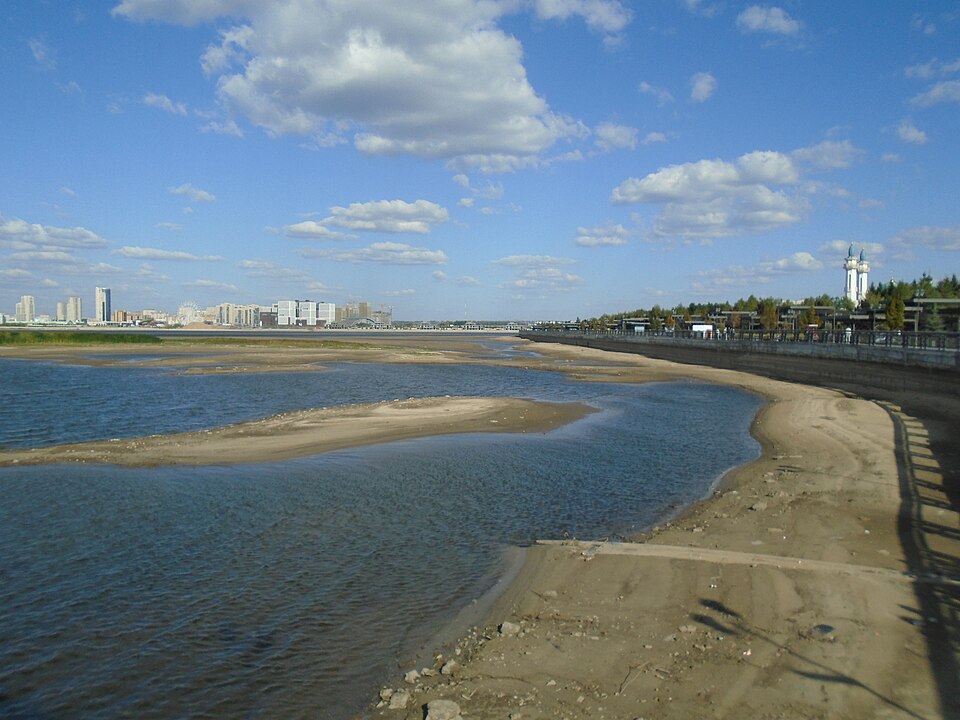
Beside the Kazanka River, the city feels different from the narrow streets of the historic centre. A wide open space separates you from the opposite bank. Your eyes travel further, buildings stand apart, and the wind becomes part of the experience. For a moment, stop looking for the next monument and take in the panorama.
The Kremlin Embankment is a modern pedestrian space beside the river. Its name connects it with the nearby fortress, but much of its story concerns present-day Kazan. People come to stroll, exercise, spend time with children or exchange the enclosed streets for an open view.
Notice how the riverbank works. Where is the main path? Where can you see the water comfortably? Where can you pause without blocking the way? When a public space works well, we often overlook these details. Yet they make the difference between a strip of ground we pass through and somewhere we choose to stay.
Pick a landmark on the opposite bank: a building or perhaps a group of trees. As you continue along the path, find it again. Distant features shift slowly against one another, while nearby details change quickly. This simple observation makes the city's distances easier to feel than they are on a flat map.
The river here is the Kazanka. Kazan is also closely associated with the Volga, but they are not interchangeable names for the water in front of you. Each has its own geography, scale and place in a visitor's journey.
The embankment connects several themes: historic architecture, contemporary cultural spaces, leisure and the wider cityscape. It makes a useful breathing space between stops rich in names and dates. You can let the information settle while you simply look.
Try separating the view into three levels: the water, the line of the bank and the sky above the buildings. Each has a different colour and rhythm. If you take a photograph, leave more open space in the frame than you usually would. That openness may capture the character of the place best.
There is no single compulsory viewpoint along a long waterfront. The most memorable one may be the spot where you happened to linger.
Learn more
A panorama changes between morning and evening even though the buildings stay still. The direction of the light, the colour of the water, clouds and reflections all contribute. Side lighting reveals volume; light behind a building can turn it into a silhouette.
Look first at the buildings themselves, then at their reflections, if the water is calm enough to show them. Reflections break up precise shapes and give them movement. It is an easy way to rediscover a familiar view. There is no need to approach the water's edge: choose a comfortable spot on the public path and give your eyes time to notice the details.