LISTEN TO THE PLACE
A story worth knowing
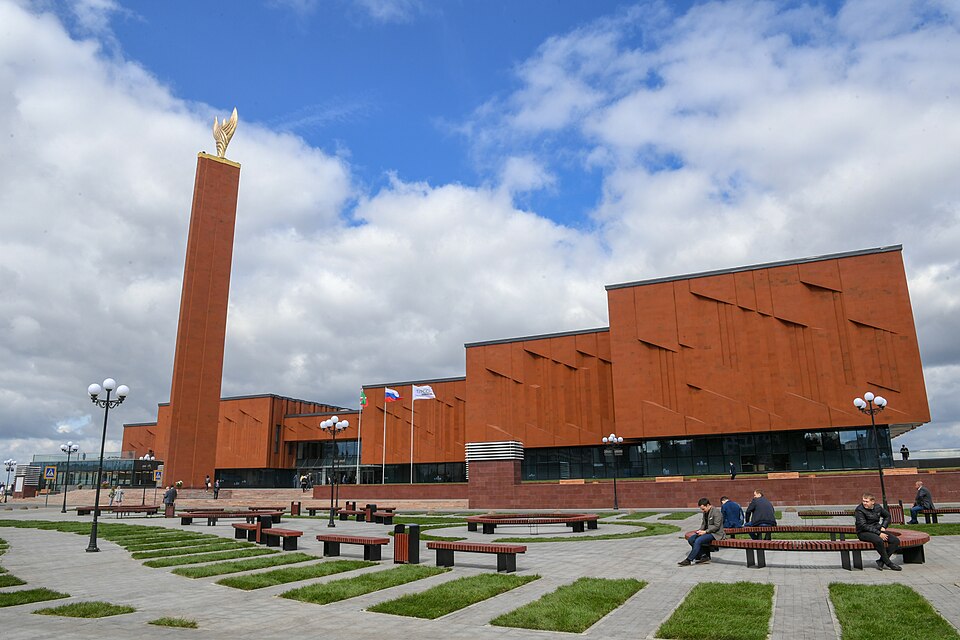
At the National Library of Tatarstan, ask an unexpected question: why visit a library when so much reading fits on a phone? The answer here is not only about books. This is a public space where reading meets exhibitions, conversation, music and contemporary city life.
The library's history began in eighteen sixty-five. Ivan Vtorov's collection played an important part in its foundation. A private collection became the basis of an undertaking on a very different scale. It is a familiar cultural story: one person's curiosity and collecting eventually become a resource for a whole city.
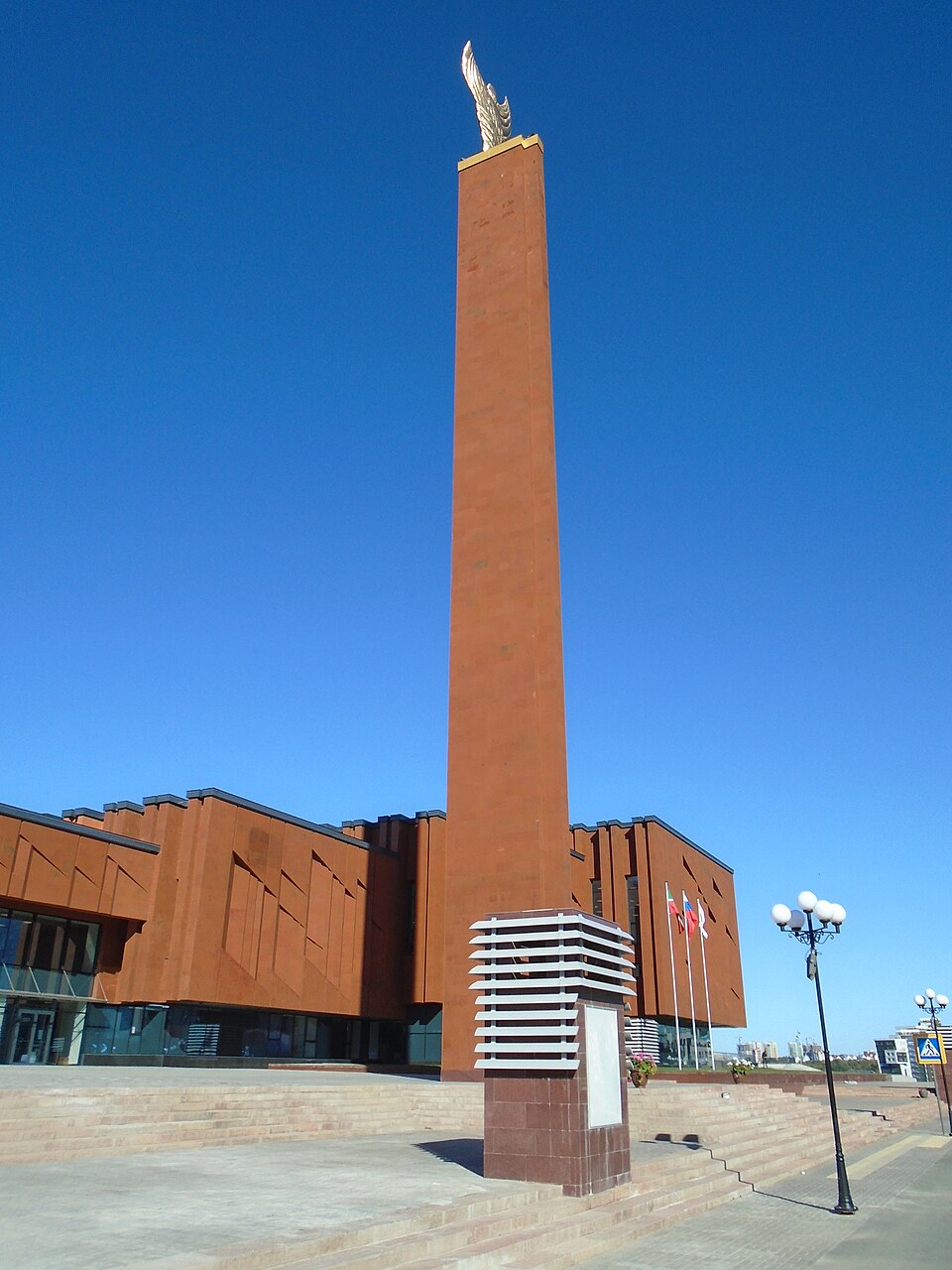
The present chapter began with the move to the renovated building on Pushkin Street in two thousand and twenty. The institution is therefore much older than its current setting. An exterior cannot tell the full story of a library that has changed addresses and arrangements while continuing its central work.
Notice the position near the Kazanka River. A cultural visit can easily become part of a waterfront walk. The library is connected to an everyday route, somewhere you might pause after exploring the city rather than a separate world entered for only one strictly defined purpose.
Inside, different activities may coexist: working with a book, visiting an exhibition, attending an event or encountering contemporary art. Their availability depends on programmes and the rules of individual spaces. This stop does not promise admission to every activity, but their variety helps explain the modern idea of a library.
Think of a place where you can concentrate comfortably. Is it the light, the distance from other people, the quiet or the view? Those conditions matter alongside access to a text. A good public space allows people to find their own pace within a busy city.
For Tatarstan, the library also preserves linguistic and cultural variety. A book holds more than facts or a plot. It preserves ways of thinking, naming things and describing a community. Texts in different languages make urban memory richer than any single account of the past.
If you go inside, begin by noticing how people use the place today. Afterwards, return to the river with another image of Kazan: a city that preserves history in texts, voices and the everyday sharing of knowledge as well as in stone.
Learn more
A library collection differs from an accidental pile of books in more than size. Publications need to be described, preserved and connected so that someone can find what they need. Much of that work remains invisible to visitors.
Imagine researching an old Kazan street. One book may not be enough. You might need directories, documents, memoirs and several accounts. A library makes comparison possible, rather than leaving you with the first story you encounter. It is a useful thought for a traveller: even a short account that feels easy to listen to depends on the long, often unseen work of preserving and examining sources.