LISTEN TO THE PLACE
A story worth knowing
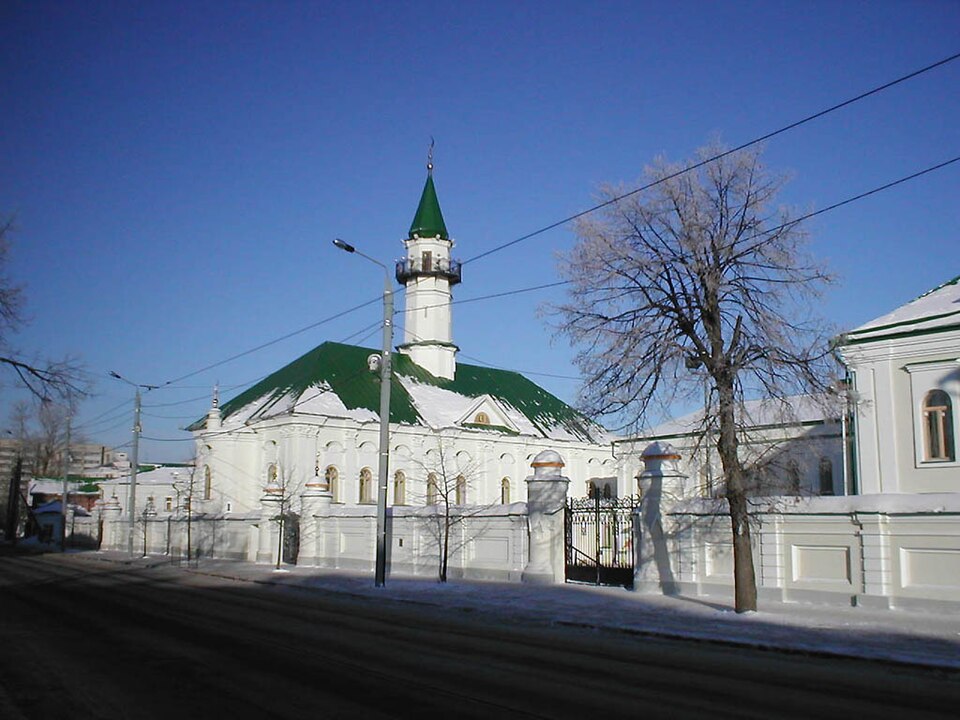
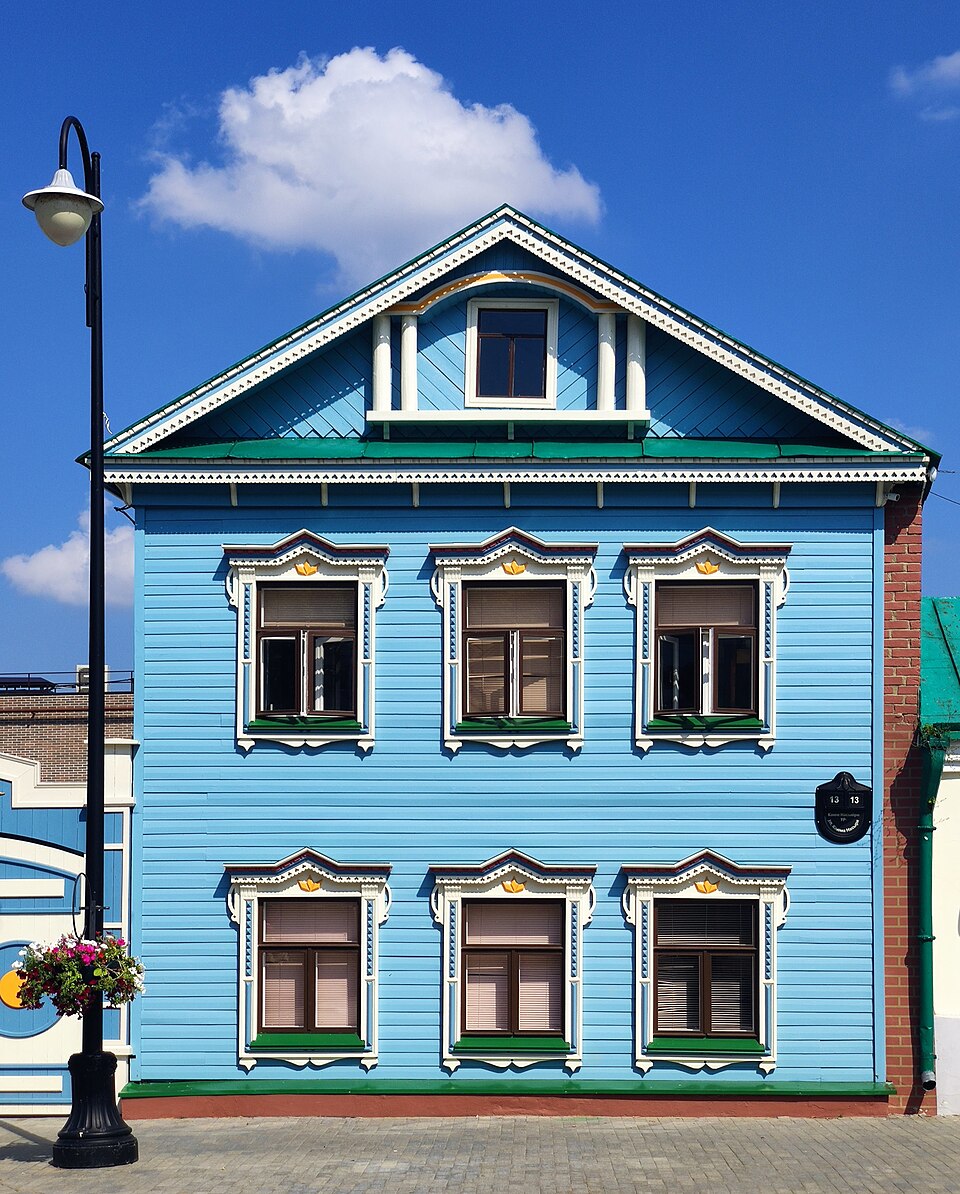
The Old Tatar Quarter does not have a single facade you can inspect and tick off a list. The attraction is the neighbourhood itself: streets, houses, mosques, courtyards and the shore of Kaban Lake. Slow down and notice the spaces between the landmarks as well as the landmarks themselves.
The quarter developed after Kazan was captured in the sixteenth century, when Tatar residents were moved from the upper part of the city towards the lake. Over time it became an important centre of Tatar urban life. Trade, religious education, crafts and family routines shared the same streets.
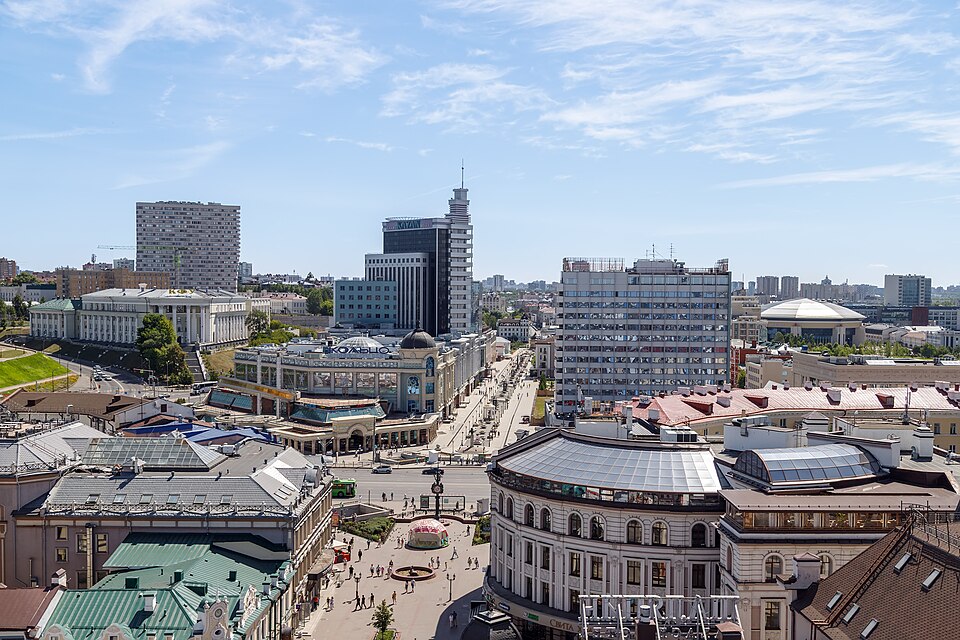
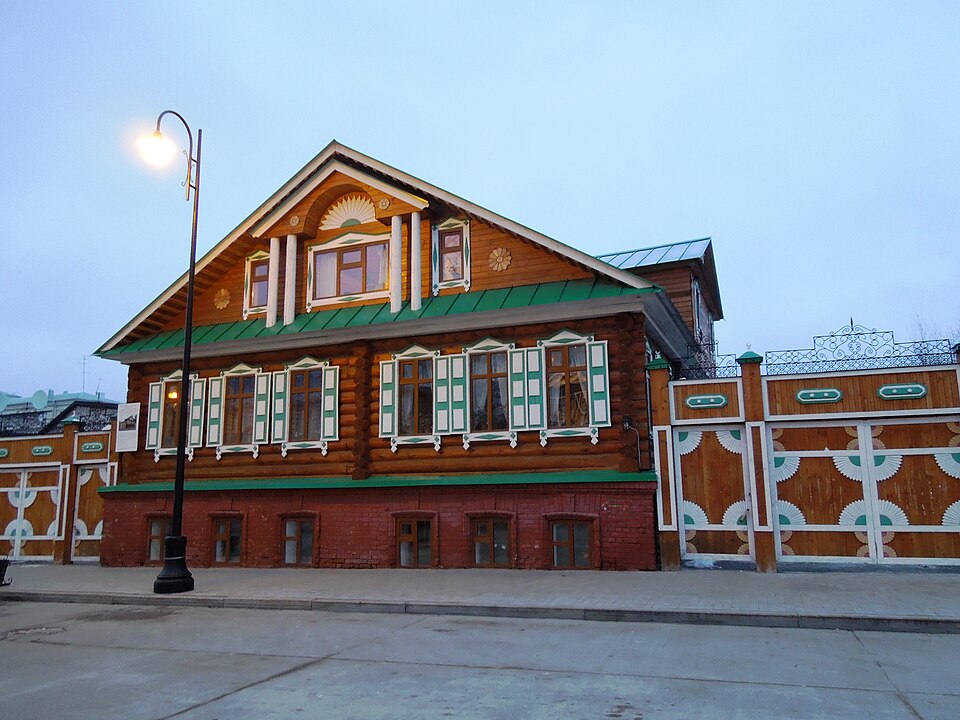
Look at the scale of the buildings. After the centre's large squares and administrative structures, many houses feel closer to everyday human life. Windows, gates and plot boundaries can be read at walking pace. Imagine someone opening a shop, going to study or returning home. That is an imagined ordinary day, not a reconstruction of a particular event.
During the later eighteenth and nineteenth centuries the quarter developed actively. Merchant families supported homes, community institutions and mosques. Names associated with it include the theologian and historian Shigabutdin Marjani, the educator Kayum Nasyri and the poet Gabdulla Tukay. Behind the architecture was a vigorous intellectual and cultural life.
Try finding three kinds of place: a home, a religious building and a public space. Notice how they relate to one another. A neighbourhood becomes easier to understand when we look at connections between people's activities, rather than at attractive buildings alone.
This remains a living part of Kazan. Museums, cafes, shops and contemporary walking routes coexist with historic landmarks. It is not an untouched scene from the distant past. Its appearance combines what has survived, what has been restored and what has been added.
Lower Kaban Lake gives the quarter an open edge. If your route reaches the waterfront, compare the views. Inside the streets, individual details stand out. From the shore, buildings begin to form a skyline.
Choose one house or stretch of street to remember. Notice not just its colour, but what stands beside it. The quarter will remain in your mind as a connected little world, rather than a collection of unrelated photographs.
Learn more
The Russian word sloboda appears in the names of many urban districts. Historically it referred to settlements whose residents could have particular privileges or a special status. The details differed from place to place, so the name alone does not explain every resident's circumstances.
The quarter's Tatar name, Iske Tatar Bistase, is important too. Notice Russian and Tatar in street names, institutions and inscriptions as you walk. Culture is present not only in museum displays. It continues to be spoken and read in everyday life, even when a visitor's attention is first drawn to the old facades.