LISTEN TO THE PLACE
A story worth knowing
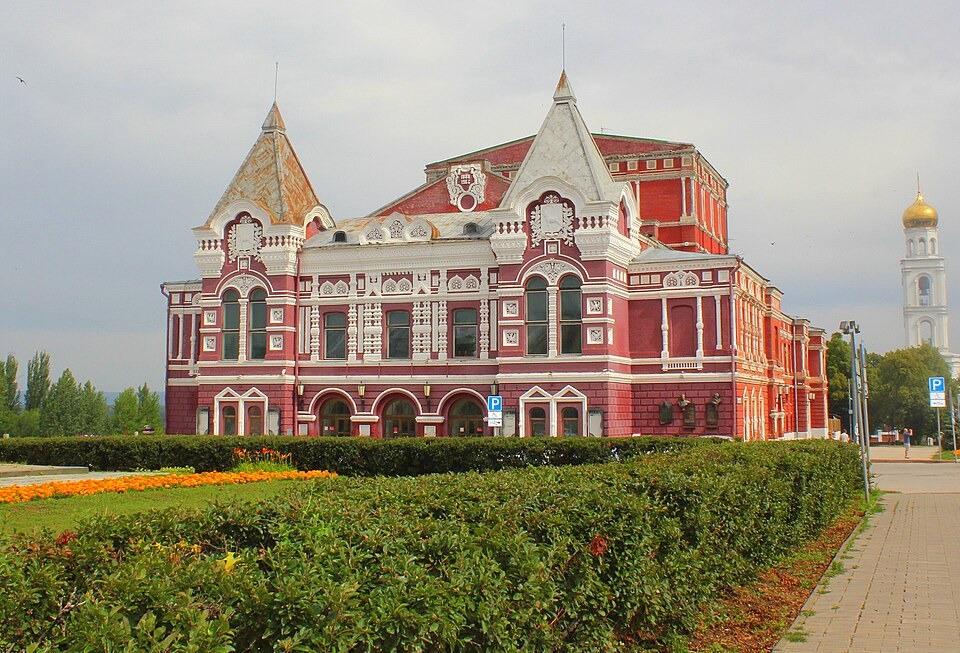
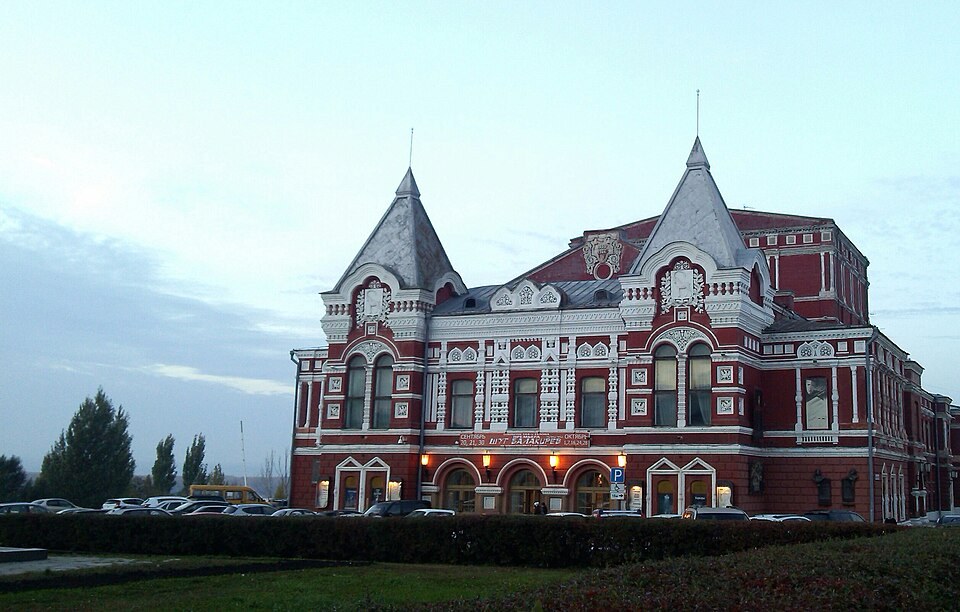
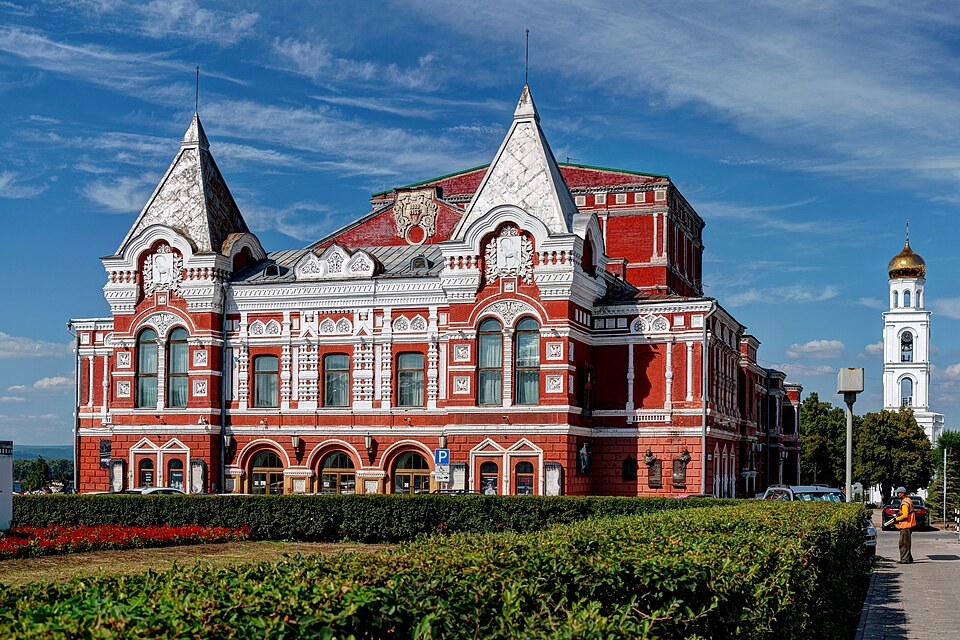
Samara’s drama theatre is sometimes called a “gingerbread house”. One look at its outline helps explain the nickname. The turrets, colours, and decorative details make it seem as though a story might begin before the curtain rises.
The city’s theatrical life is older than this building. A permanent professional theatre appeared in Samara in the middle of the nineteenth century. The stone theatre before you opened later, in 1888, to a design by Mikhail Chichagov. This building is therefore not the start of the story but a new chapter: the moment when the city gave the performing arts a highly visible architectural home.
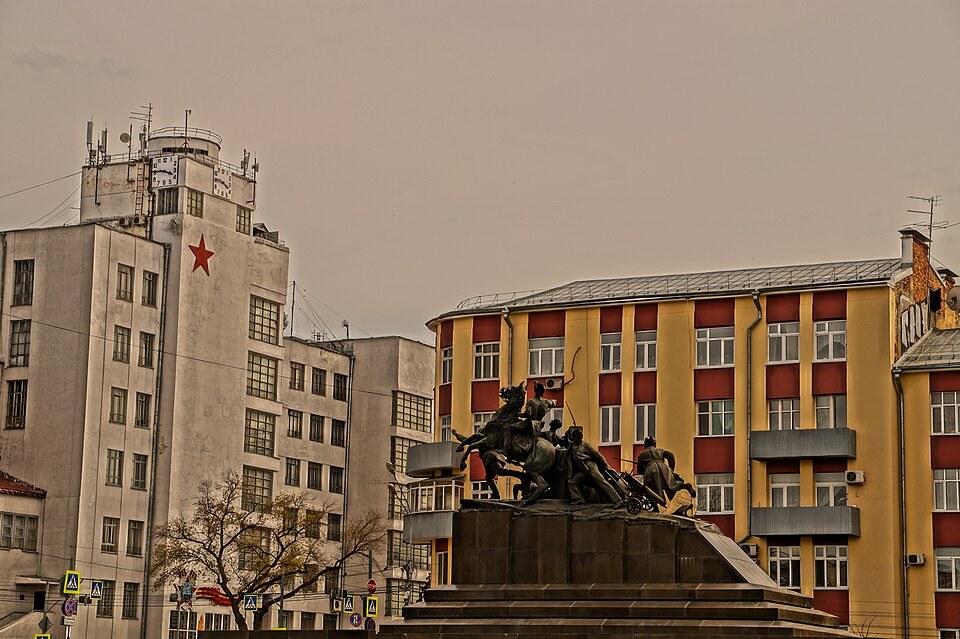
Notice how the theatre occupies Chapaev Square. You can recognise it from a distance, yet as you approach, your attention shifts to the details: windows, ornament, and the line of the roof. It does not hide among its neighbours. It invites you to stop and look, almost like a performer stepping forward to meet an audience.
There is another life here that the exterior cannot show. Plays, actors, and audiences have changed across the decades. People have arrived with different expectations in different eras. The building remained a recognisable frame for all of those changes.
Even if you are not seeing a performance today, give the theatre a moment. Stand far enough back to take in the full facade. It is a reminder that a city’s cultural life does not begin only inside an auditorium. Sometimes it begins on the square outside.
It is easy to turn the theatre into a handsome background for a photograph and move on. Try the opposite: give the building a few minutes of attention in its own right. Find a position from which you can see the roofline, entrance, and whole facade. Then focus on a smaller detail. The architecture rewards a change in distance. From far away it gives the square its outline; close up it prepares a visitor for entering.
Samara's theatre history is older than this particular building. A permanent professional company appeared in the city in the mid-nineteenth century, while the present stone theatre opened later. What you see is therefore not the beginning of the tradition but one of its important homes. Imagine the many generations of audiences who have approached these doors with different expectations: a familiar play, a daring new production, or perhaps a first evening in a theatre.
Even if you are not buying a ticket today, this stop remains connected with living art. Programmes change, performers go on stage, and audiences continue to gather. Look at a current poster if one is displayed, and set it beside the historic facade in your mind. The building carries memories of earlier years; tonight's performance can create new ones. In that combination, the theatre stays part of a living city rather than becoming only an architectural monument.
Learn more
According to the Culture.RF portal, Samara gained a permanent professional theatre in 1851. The stone building before you opened in 1888 to a design by architect Mikhail Chichagov. Those two dates separate a theatre company from its home: stage life began before the facade we recognise today existed.
Compare the building with the square in front of it. During the day the entrance may seem like one city doorway among many. Before a performance, the same doorway becomes a centre of movement as people meet, look for tickets, and wait for friends. The architecture stays in place while its role changes through the day. If you would like to continue the visit, check the current programme and choose a play that interests you rather than only one with a famous title.