LISTEN TO THE PLACE
A story worth knowing
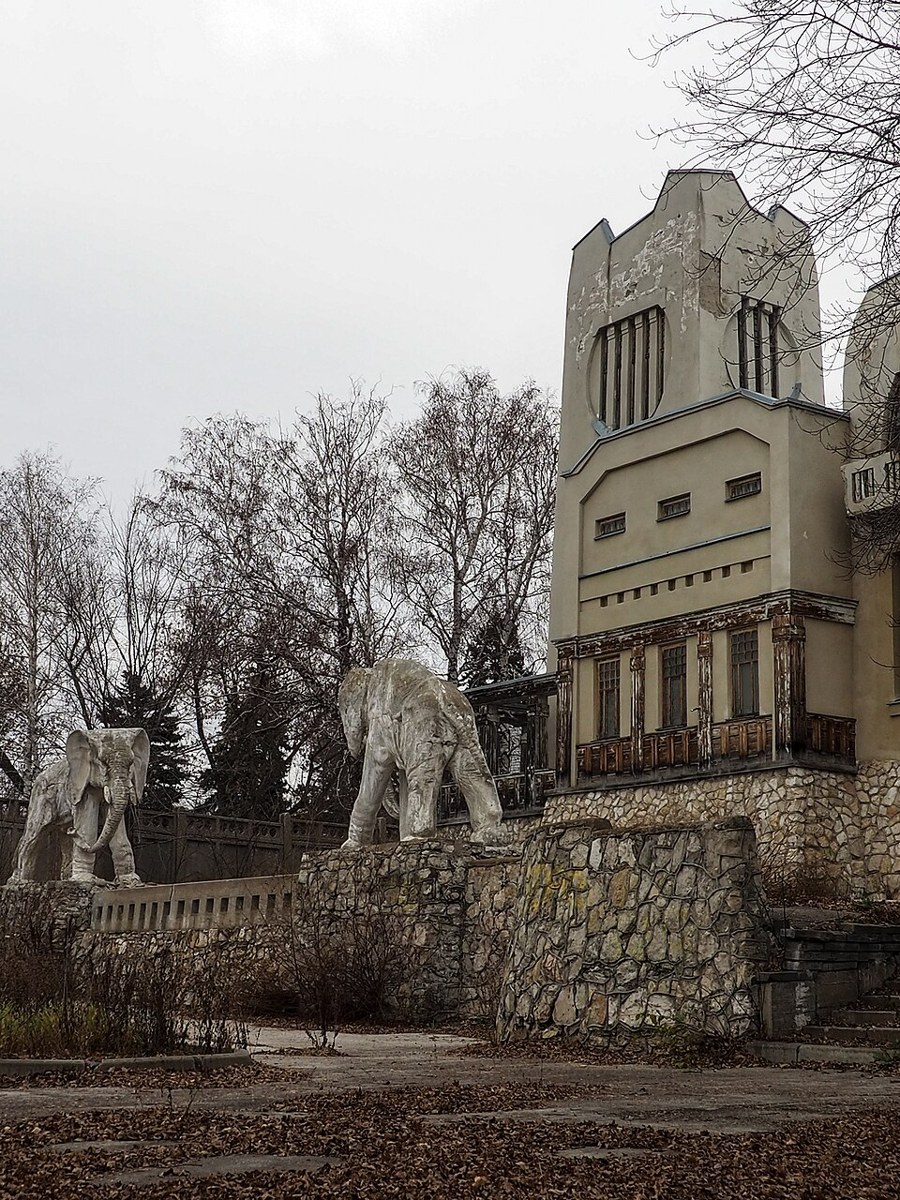
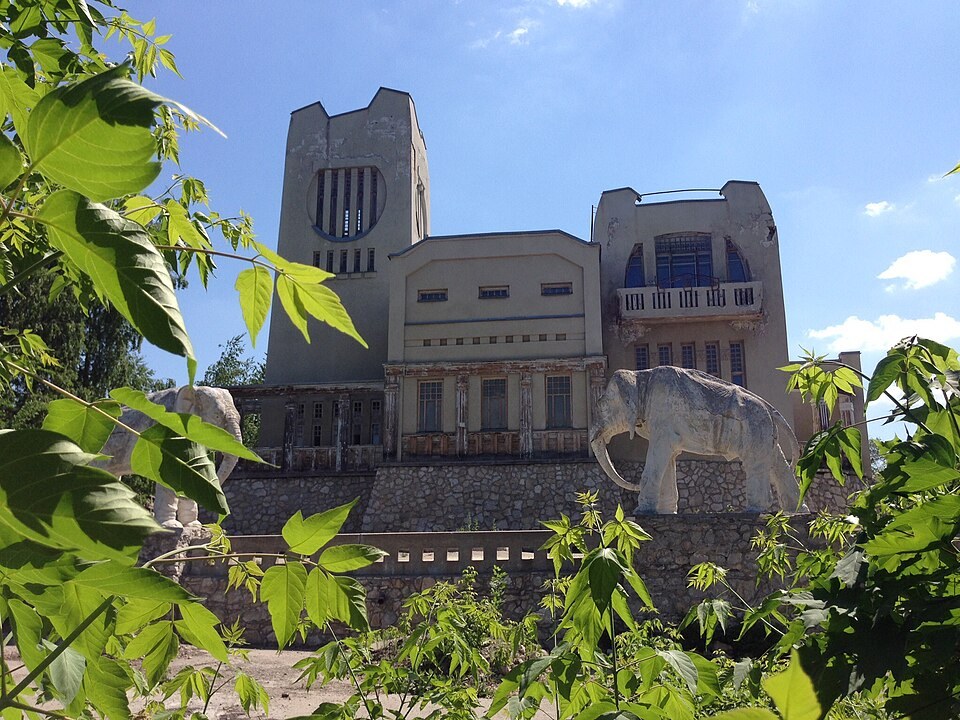
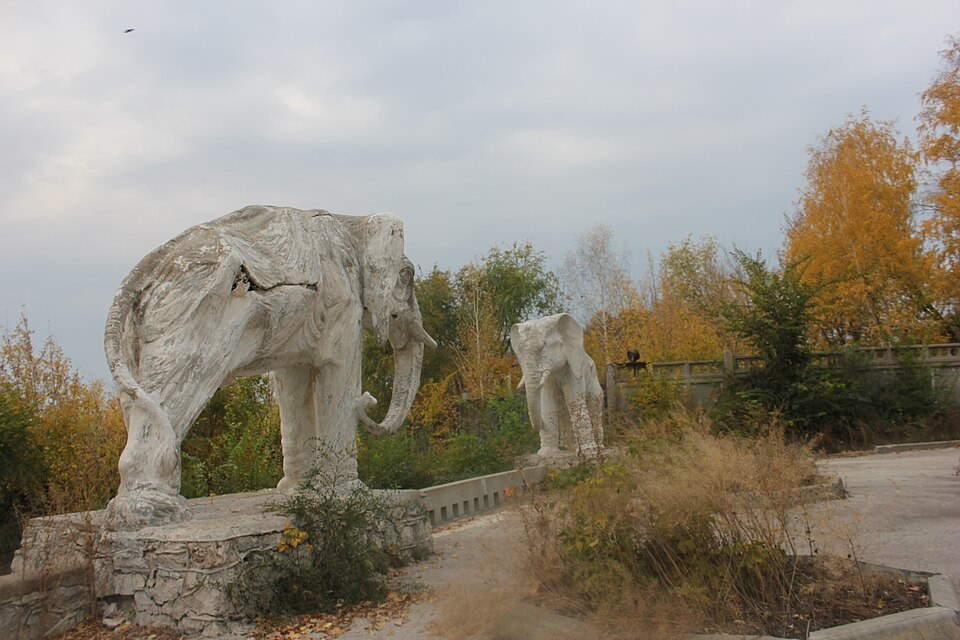
The name sounds almost like the beginning of a fairy tale: the House with Elephants. The elephants really are here, in the form of stone figures beside the facade facing the Volga. Behind the memorable image, however, lies the story of a person and an architectural era.
The dacha belonged to Konstantin Golovkin, a Samara merchant and artist. It was built in the early twentieth century, when Art Nouveau architecture valued individuality, surprising shapes, and a strong relationship between a building and its setting. This house does not try to resemble a standard city residence. It carries on its own conversation with the riverbank and the view beyond it.
Observe it from publicly accessible ground. Find the elephants first, then let your eye take in the building as a whole. The sculptures attract attention, but they should not hide the architecture behind them. The house has its own imaginative form, which makes the place linger in the memory.
There is no need to invent a secret meaning for the elephants without evidence. Their presence is remarkable enough. They show a desire to create more than a comfortable retreat: the owners and makers wanted a recognisable artistic image.
The property had a long life after its first owner, and its condition changed over time. In its restored parts, we see not a frozen picture of the past but the result of efforts to protect an unusual building.
It stands away from the compact historic centre. Perhaps that makes arriving here all the more surprising: an ordinary city journey leads to a house guarded by elephants, with the Volga beyond.
The House with Elephants stands beyond the compact historic centre, and the journey here changes the feel of Samara. You are no longer simply moving from one facade to the next along a commercial street. This was a country house, imagined for a different rhythm of life and a different relationship with its surroundings. Study it from publicly accessible ground and compare it with the city mansions you may have seen earlier.
Its owner, Konstantin Golovkin, was not only a merchant but also an artist. That helps explain why the villa feels like a complete composition rather than an ordinary house with unusual decoration. The elephants draw attention first. Stay longer and you can notice the lines of the building, its position on the site, and its relationship with the landscape. Do not rush to assign a hidden meaning to every shape. Careful observation can reveal more than a dramatic theory.
The property has passed through different periods of use, and it deserves a considerate visit today. Do not cross barriers or seek access to the sculptures through restricted ground. Find a permitted viewpoint and imagine how the house might have appeared to people approaching by water or by land. After this stop, Samara feels less uniform. The city is made not only of formal squares, but also of personal, unusual, and memorable places like this one.
Learn more
Samara's tourism portal dates the villa to 1908–1909 and explains that its owner participated in shaping the design with architect Valentin Tepfer. It is an unusual case in which the client's own life helps us understand the artistic character of a building.
The elephant sculptures are part of an ensemble facing the Volga. They gave the house its popular name, but they do not explain the entire design. Look first at the general outline, then at the sculptures' positions, and finally at the whole site again. The building's restoration means it does not look exactly as it did in every old photograph. Comparing images from different years is a reminder that historic places continue to change.