LISTEN TO THE PLACE
A story worth knowing
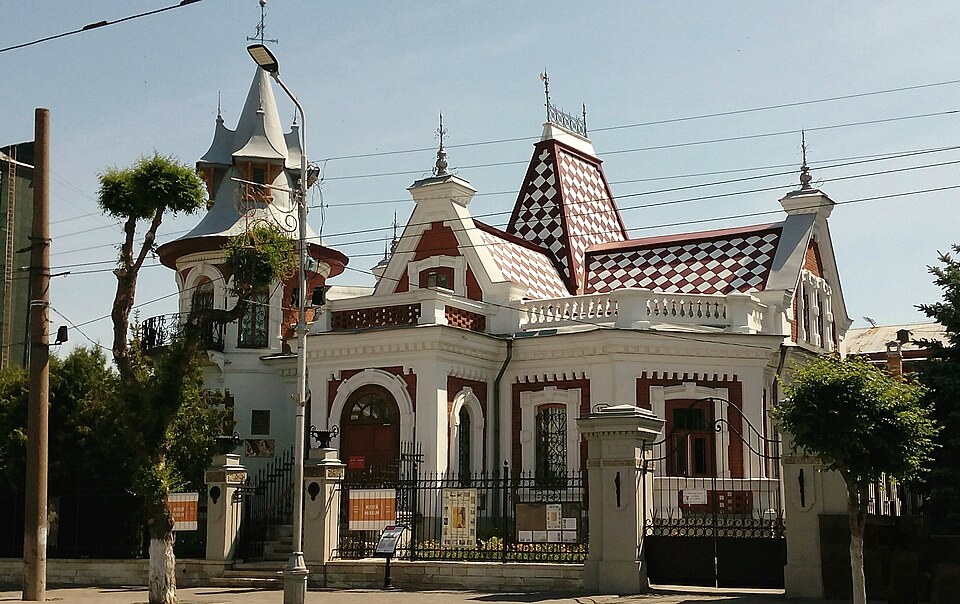
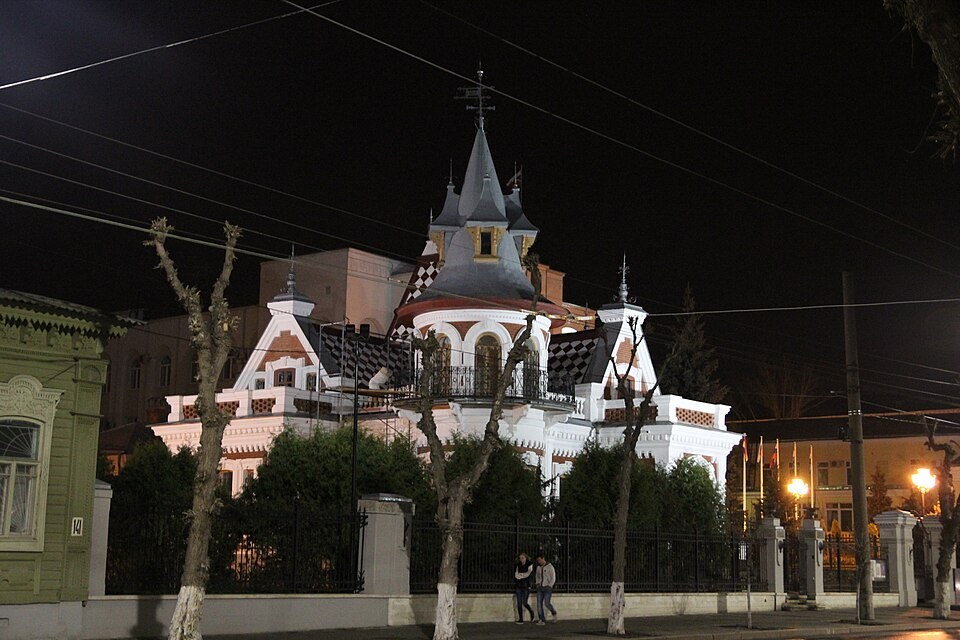
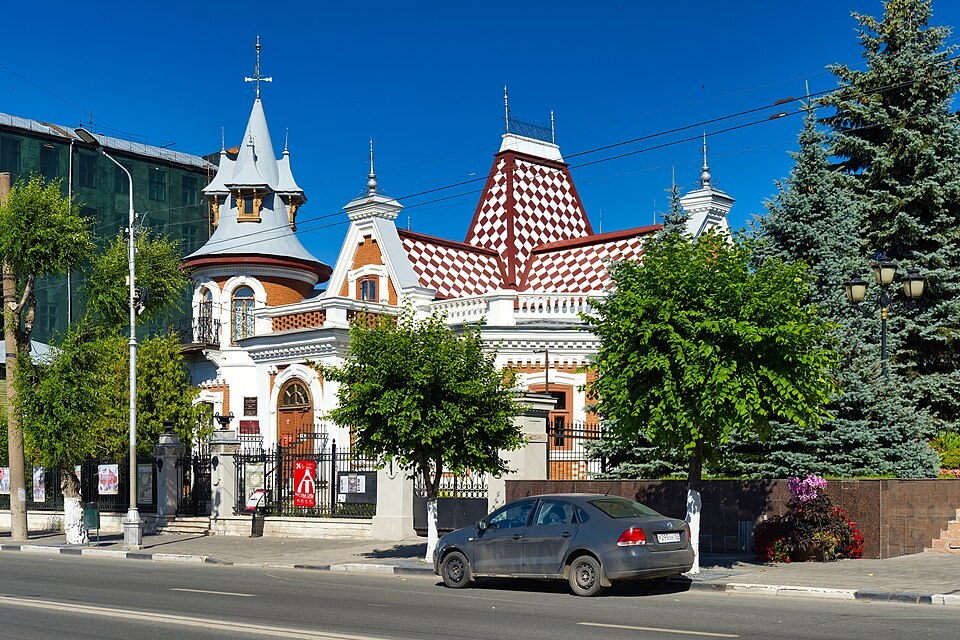
This house has a rare quality: it looks as though it ought not to stand on an ordinary city street. Its turrets, complicated roofline, and playful details suggest a small castle or a storybook illustration. Yet it is a real Samara mansion.
It was built in the late nineteenth century for Ivan Klodt, an engineer and businessman. With his brother, he worked in fields connected with electrical equipment and the practical development of the city. That connection is fascinating. A man involved in Samara’s technical modernisation chose a home that looks back towards an imaginative vision of older architecture.
Let your eye travel across the facade. It does not reveal itself in one simple gesture. A tower, balcony, window, or decorative shape will catch your attention in turn. The architecture offers a small game of observation. That helps the house stand out even among the old centre’s richly detailed buildings.
Later, the mansion gained a new role as the home of the Children’s Art Gallery. It is a fitting match: a building capable of stirring a child’s imagination became a place devoted to children’s creativity. Its story did not end with the family who first lived here.
Walk a little way along the street, then look back. From another angle the house may seem quite different. That is part of its character: it refuses to give you one final image. Like a good story, it makes you want to look again and find the detail you missed the first time.
The mansion's imaginative outline can make it feel as though the building is playing with passers-by. Behind that playful effect, however, is careful architectural work. Break the facade into large and small elements. Towers establish the overall image, while windows and balconies reward a closer look. Then return to the house as a whole. You may notice that the storybook impression is assembled from very specific details.
The house is associated with Ivan Klodt, an engineer and entrepreneur of the late nineteenth century. Its expressive design speaks not only of its owner's taste but also of a time when Samara wanted to appear modern and self-confident. Remember that a city's appearance was made by people in different occupations: architects, builders, merchants, and engineers. Their efforts met on the same streets.
Today the mansion houses the Children's Art Gallery. That creates an appealing conversation between building and use. A house that looks like an illustration from a fairy tale invites visitors to look at children's drawing and imagination. If the gallery is open, check what is on display. If it is closed, take a step back and choose your favourite detail on the facade. The place can teach you to look creatively before you ever enter it.
Learn more
Samara's tourism portal associates the mansion with architect Alexander Shcherbachyov and dates its appearance to the late 1890s. Descriptions often call the house 'fairy-tale-like', but try not to stop at the label. What produces that impression? Is it the pointed towers, the varied shapes, the projecting balconies, or the combination of them all?
Klodt Mansion also shows how an old building can acquire a new public role. The Children's Art Gallery does not erase the house's history; it lets another generation encounter it. If you are here with a child, invite them to invent a name for one architectural detail. A simple question like that may awaken more curiosity than a ready-made definition of a style.