LISTEN TO THE PLACE
A story worth knowing
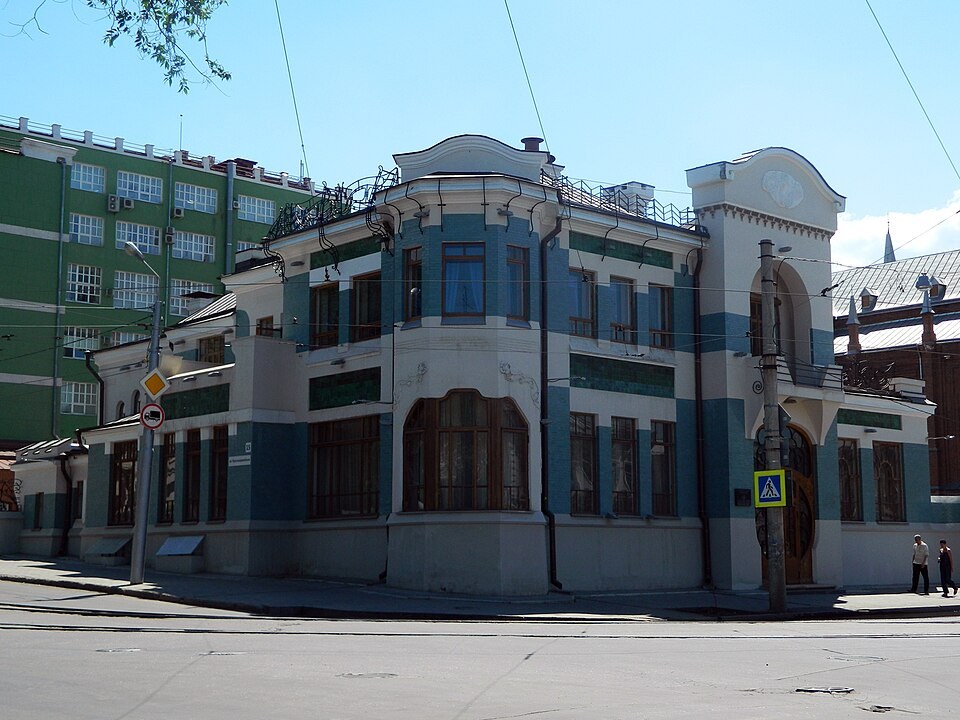
Stand before Kurlina Mansion and try to find a straight line that holds your eye for long. Your attention will probably move instead towards curves, decorative details, and the unusual rhythm of the facade. That is part of what Art Nouveau can do: turn a building into an artistic experience as well as a useful structure.
The mansion was built in 1903 for the Kurlin family. It now houses Samara’s Art Nouveau Museum. Building and museum explain each other unusually well. You can encounter the ideas of the period in an exhibition, then return to the street and see them at work on the facade itself.
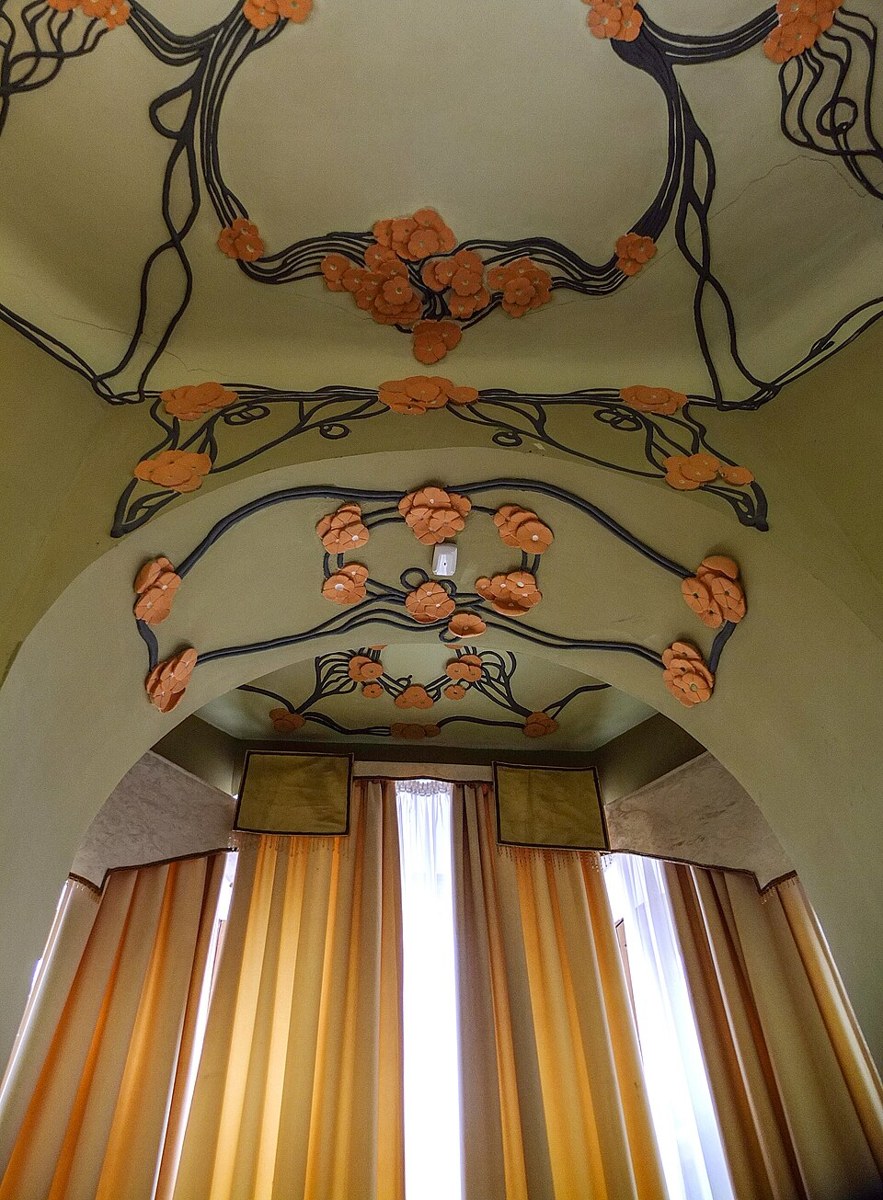
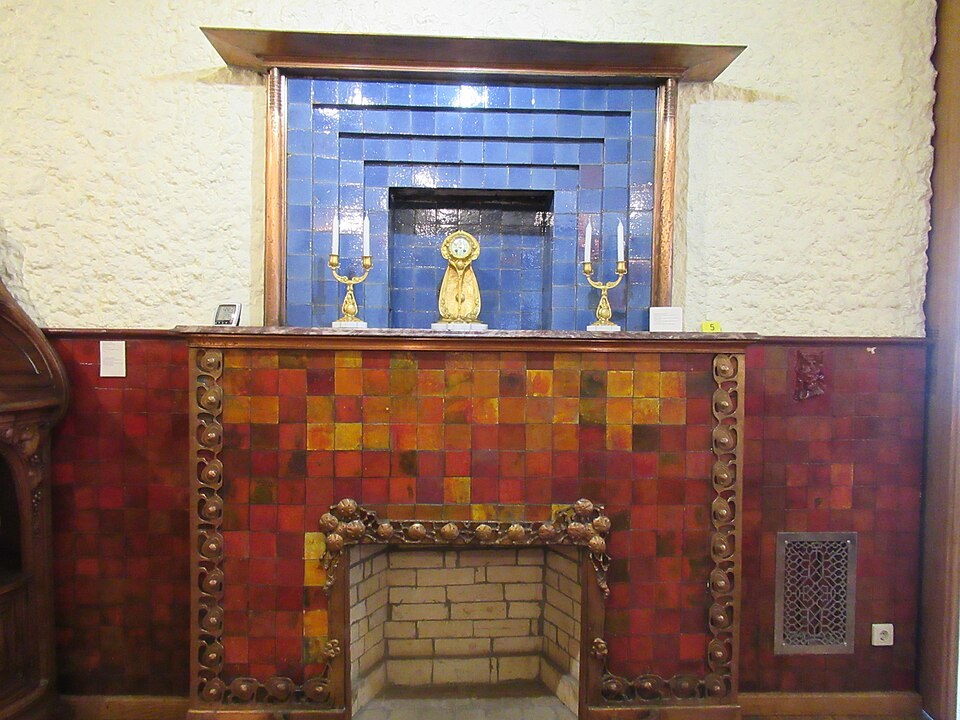
Look closely at the entrance and the window surrounds. The details do not feel like ornaments added as an afterthought. They contribute to the atmosphere of the whole house. Art Nouveau aimed to connect different arts: architecture, metalwork, furniture, and interior design. That is why the mansion’s character does not end at its outer walls.
A popular local interpretation says that the female face on the facade represents Alexandra Kurlina, the mistress of the house. It is an interpretation, not a firmly established fact. Such stories show how people look for a human presence behind architecture. Even without it, the building reveals much about the tastes of its time and prosperous Samara’s interest in a new artistic language.
If you visit the museum, compare its interiors with what you noticed outside. If you continue walking, turn back for one more look at the street corner. Kurlina Mansion has a useful effect: after seeing it, you may find yourself looking more carefully at Samara’s other houses too.
Kurlina Mansion rewards a slow look because Art Nouveau does not rely on one single ornament. Let your eye travel from the entrance to the windows and then to the roofline. Find a form or motif that appears more than once. Even without specialist terms, you can sense that the details belong together. The architect was making not only walls for a family home, but a complete artistic impression.
In the early twentieth century, houses like this expressed the taste and means of their owners. After many decades, this one became a public museum. It can now be read in two directions: as evidence of the period when it was built and as a place where today's visitors investigate that period. The museum is housed inside its own most compelling exhibit.
The story about the woman's face on the facade gives the house a personal note. Remember that it is a popular interpretation, not a securely identified portrait. You do not have to accept the story to feel the human scale of the architecture. Move closer to one detail, then step back and take in the mansion as a whole. After that, it may be harder to hurry past neighbouring houses. You might begin looking for the same links between form, history, and the ways people lived.
Learn more
The Culture.RF portal names Alexander Zelenko as the mansion's architect and describes it as a complete environment of the Art Nouveau period. The word 'complete' is useful. In this approach, facade, interior, objects, and decorative elements are meant to work together. That makes a museum inside such a house particularly persuasive.
Find a feature on the facade that feels like part of a larger design rather than an ornament added afterwards. If you enter the museum, look for a similar attitude to form inside. It does not matter if you find no exact repetition. The larger principle is what counts. You can come to understand a style through your own observation without turning the walk into a test of architectural vocabulary.