LISTEN TO THE PLACE
A story worth knowing
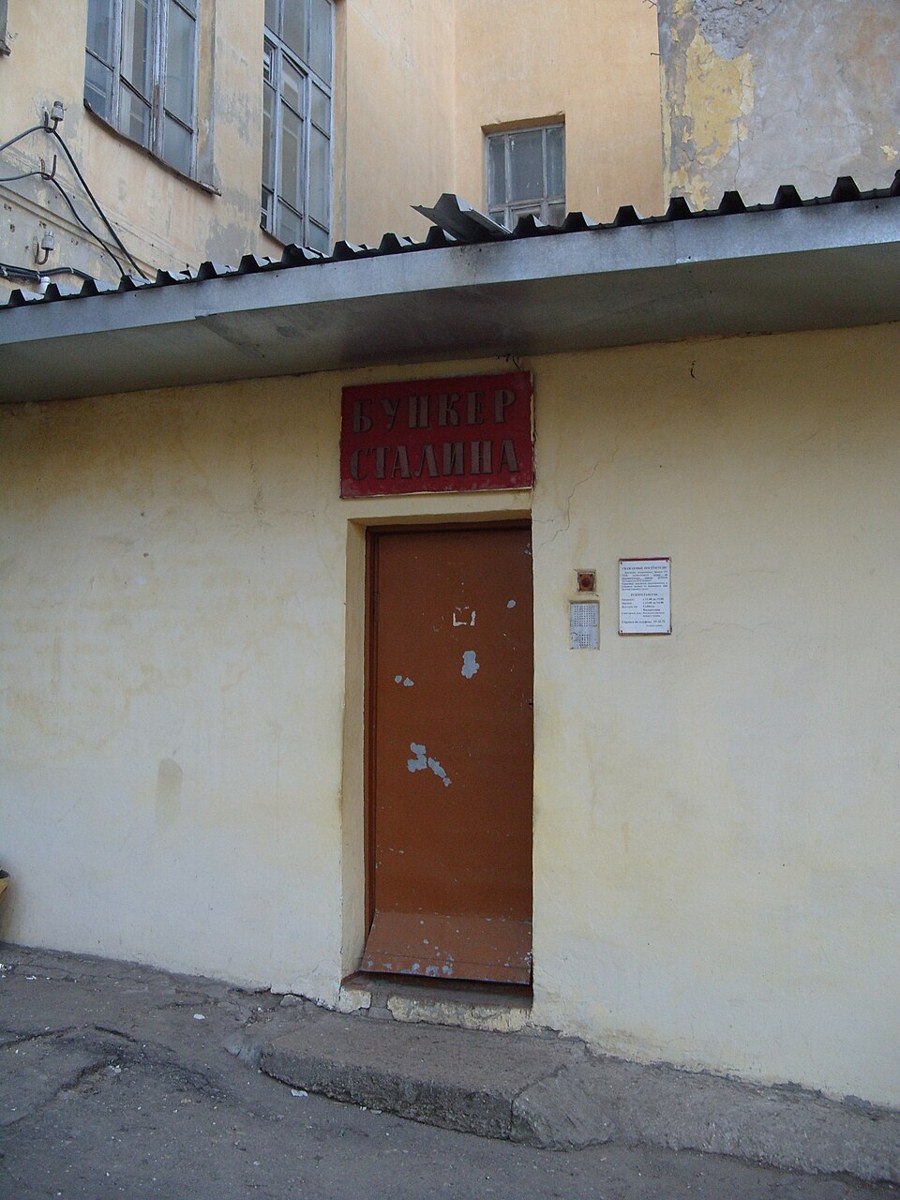
The most remarkable part of this place is almost invisible from the street. Beneath the ground lies a bunker built during the Second World War as a reserve command post in case Soviet leaders had to leave Moscow.
Samara was then called Kuibyshev. The city mattered not only as an industrial centre; preparations were made for the possibility that the capital might no longer be safe. This protected space was part of that contingency plan. From outside, it is difficult to guess what lies below. It is a striking example of history hidden directly beneath an ordinary city walk.
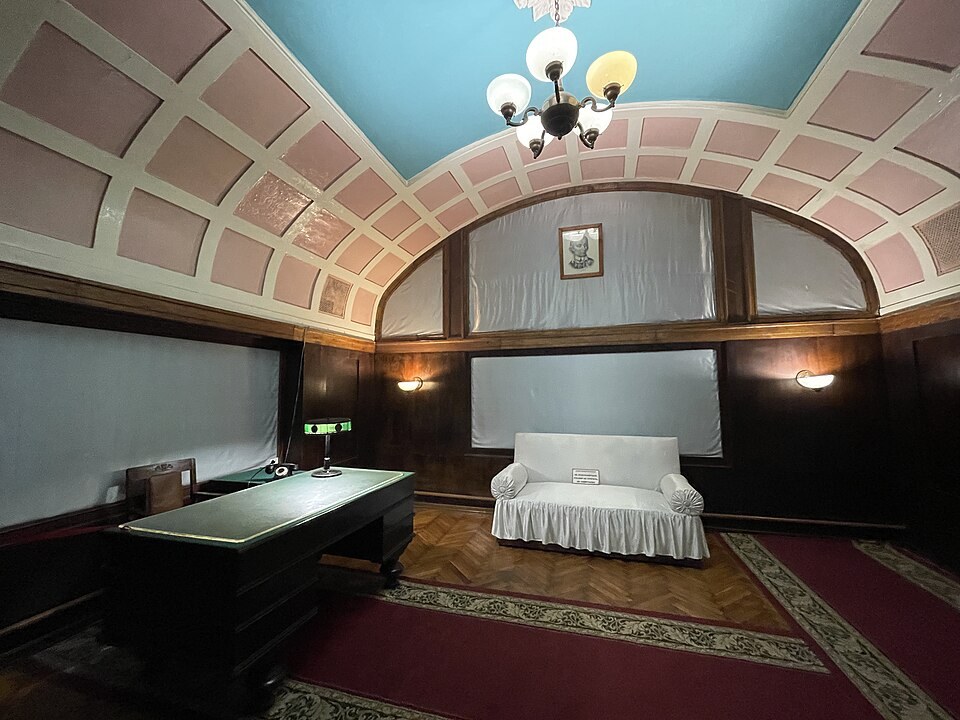
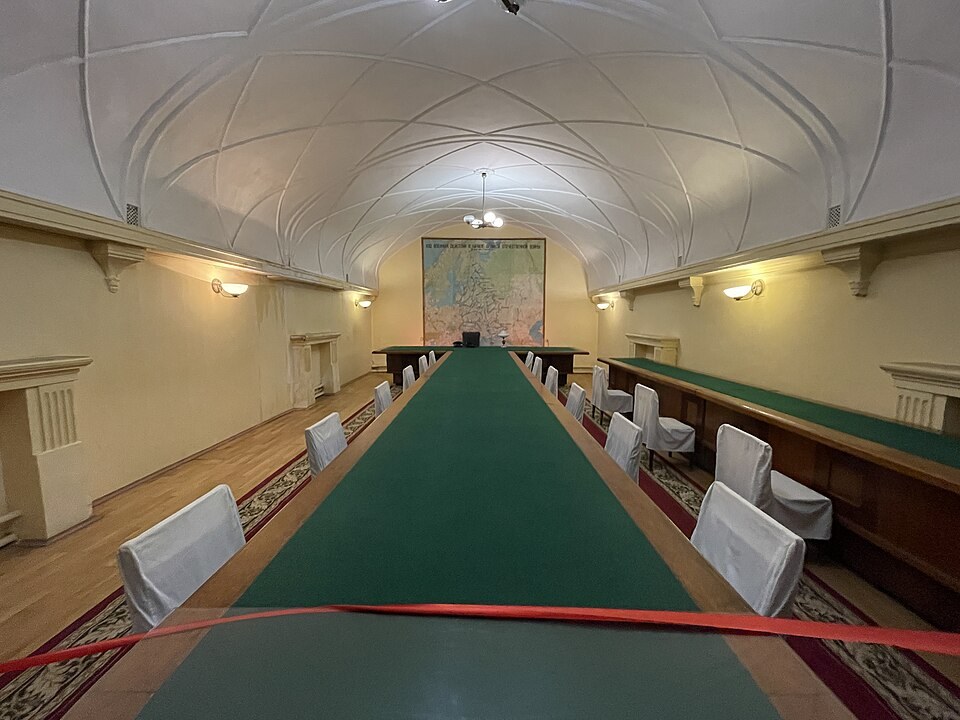
If you visit on a tour, pay attention to the descent. Each level increases the sense of separation from the street above. Meeting rooms, an office, and technical systems were intended to make work possible in an emergency. Yet the bunker should not be treated as the set of a spy film. Its story begins with the real uncertainty and fear of wartime.
The name raises an obvious question: did Stalin himself come here? It is better to tell the verified story of why the facility was built than to turn a rumour into an answer. What matters is that this outcome of the war was considered possible enough to require such preparation.
Even if you only see the entrance today, imagine the distance between the door and the rooms deep below. Daily life continued on the surface, while under the city there was a reserve plan for a very different future.
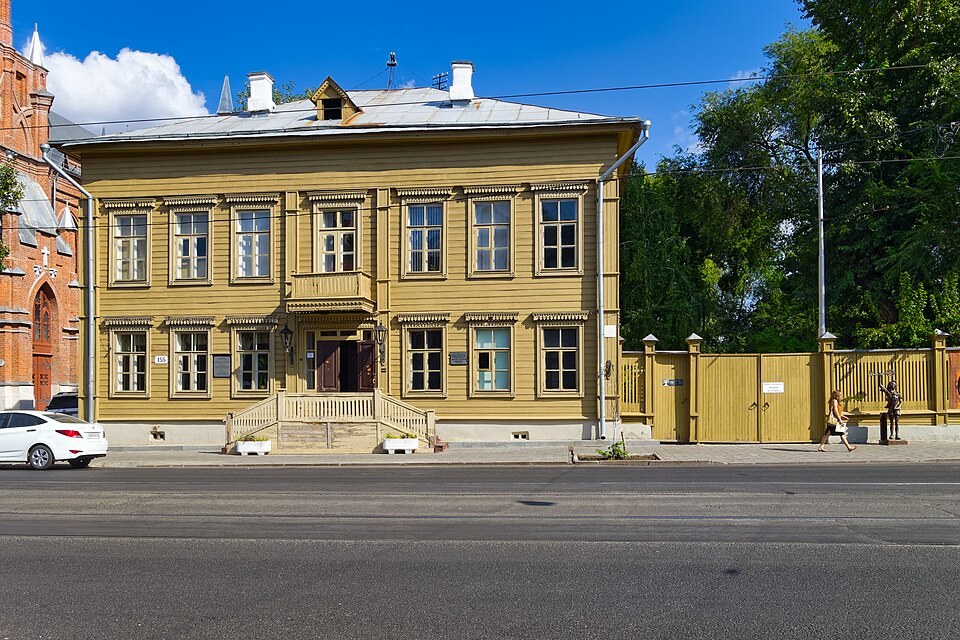
From outside, this place is surprisingly easy to pass by. Begin not by searching for spectacular architecture but by asking why a shelter would be built beneath an existing city. Wartime planning had to consider how administration and communication might continue in a dangerous situation. An underground refuge was part of preparing for that possibility. The story feels particularly striking when you stand in an ordinary street where daily life has long since resumed.
If you can join a guided visit, allow time for the descent. Changes in light, air, and sound help you register the distance between the city above and the rooms below. The appearance of a room does not explain every historical question by itself. Listen carefully to the guide and distinguish documented details from dramatic speculation. The bunker’s name may suggest a personal story about Stalin, yet the structure is more useful as evidence of wartime preparation and uncertainty.
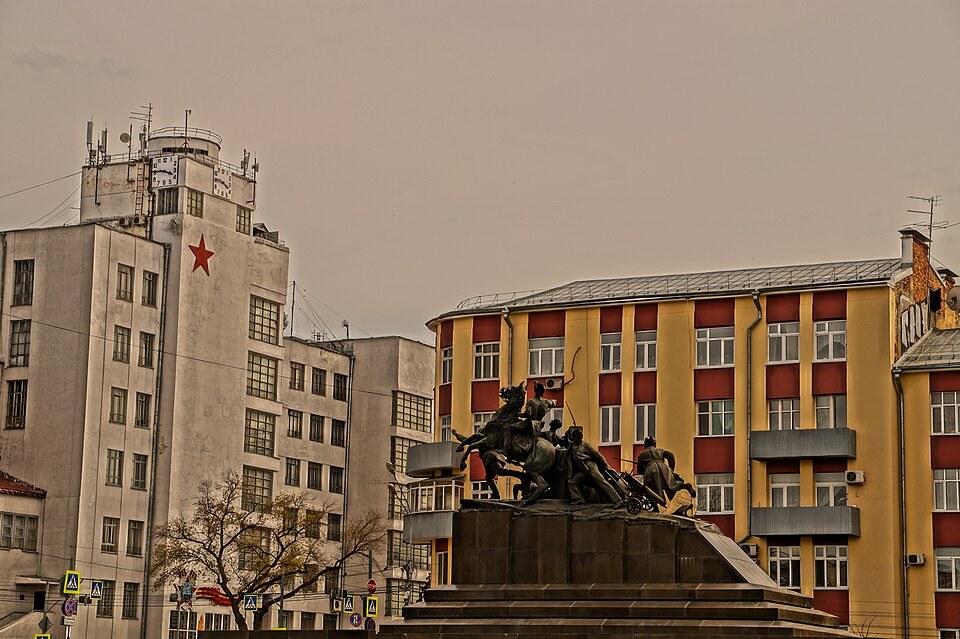
If you cannot go inside today, the stop still has meaning. Imagine the street in two layers: buildings and people above, an engineered space deep below. Cities can hide some of their most remarkable histories literally beneath your feet. When you look at the neighbouring buildings again, they may appear perfectly ordinary. Yet the setting has changed in your mind. A good urban story sometimes works in just this way: it reveals what is present without adding anything visible to the street.
Learn more
A bunker invites rumours about secret passages, unknown rooms, and famous visitors. Such stories spread easily because an underground structure cannot be examined from the street. Yet a gap in what we know is not evidence by itself. Better questions are more precise: when was the shelter built, what problem was it intended to solve, which rooms can be visited, and which details are supported by records?
If you take the guided tour, compare the official account with your own experience of the space. What is most surprising: the descent, the arrangement of the rooms, or the contrast with the ordinary street above? Following that question often makes a visit more rewarding than searching for a single dramatic legend.