LISTEN TO THE PLACE
A story worth knowing
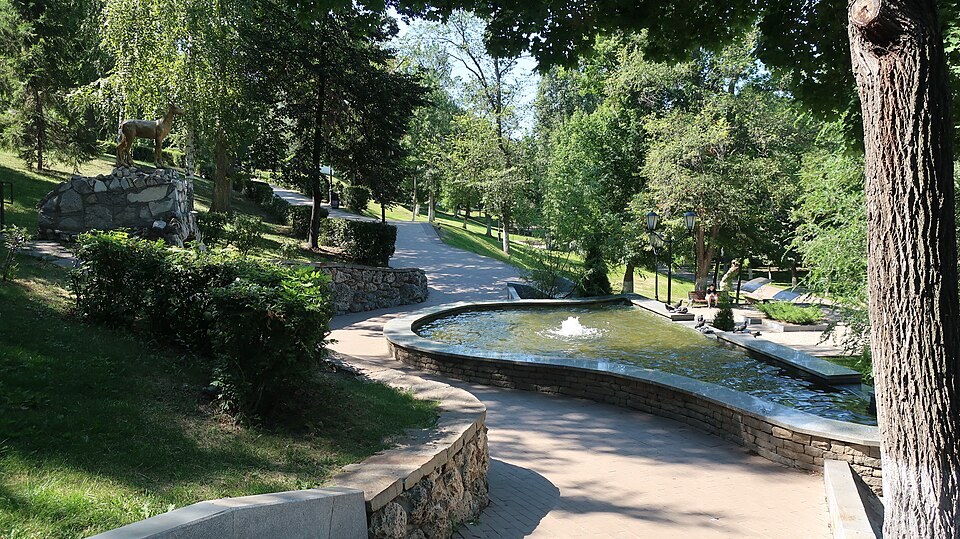
Entering Strukovsky Garden changes your pace. The city streets remain close, yet the paths, trees, and changes of level create a place that encourages a slower walk.
It is Samara’s oldest park. Its history began with land associated with Grigory Strukov, whose name remains attached to the garden. What was once private ground later became a place for the public. People came to walk, listen to music, meet friends, and celebrate. The garden’s appearance changed over time: some structures disappeared, others arrived, while its paths continued to welcome new generations.
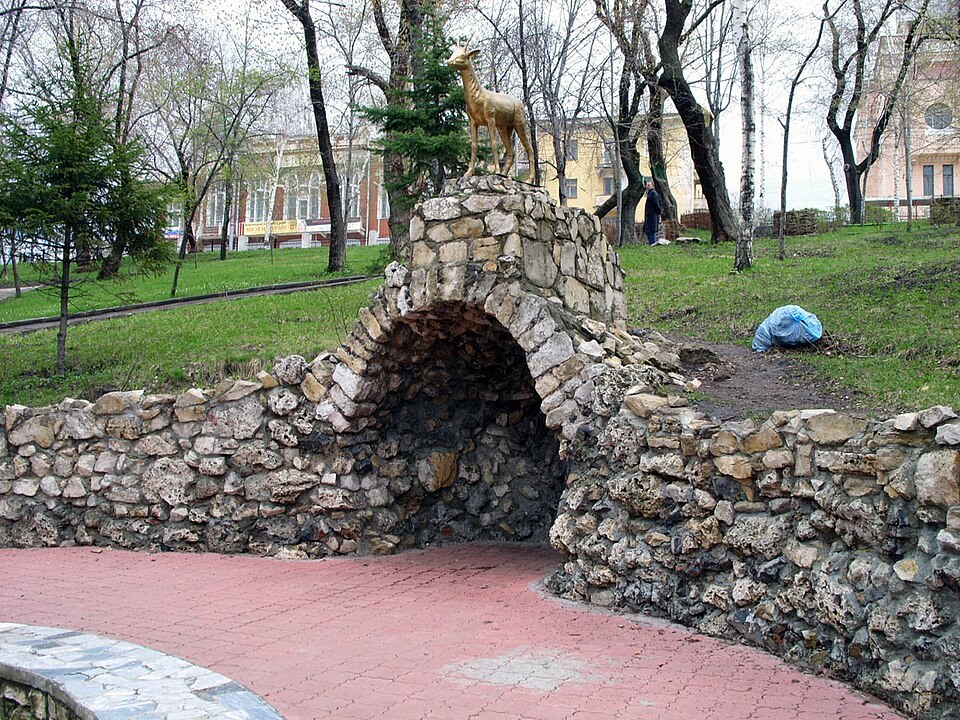
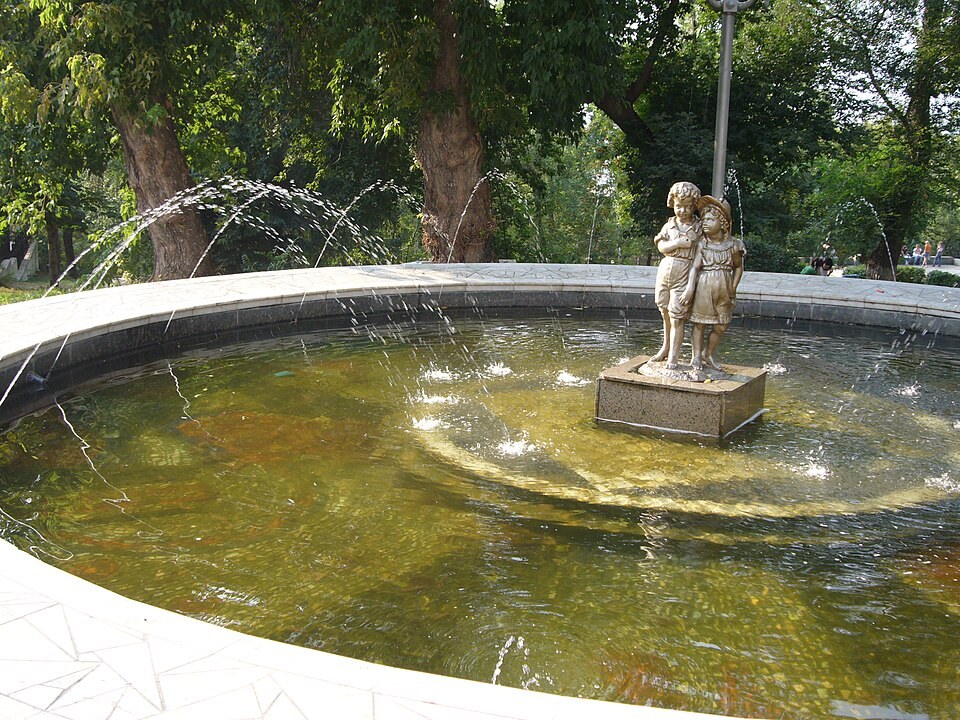
Walk a little and notice how the park is arranged. No single monument defines it. Instead, it offers a sequence: a path, a fountain, a grotto, an open area, then another turn. The garden reveals itself gradually. Even a short visit can make you feel that you have moved from the busy centre into a quieter layer of the city.
A public garden matters because its history consists of countless small occasions. Someone came for a concert; someone arranged a meeting; someone else simply wanted shade on a hot day. Most left no names in guidebooks, but together they made the place alive.
Pause where you can see both the path ahead and the trees around you. There is no correct route through Strukovsky Garden. The best way to know it is the way residents know a favourite place: by returning, noticing changes, and allowing the walk to take the time it needs.
If you have spent the day looking for facades and monuments, pay attention to the paths here instead. How do they guide your movement? Where do you feel like stopping? At what point can you hear the city most clearly, and where does it recede? The garden does not hide Samara from you. It shows another side of the same place: the freedom to spend time together without having a fixed goal.
The park has changed with generations of residents. Some came for gatherings and celebrations; others chose a quiet avenue; still others simply crossed it on their way towards the Volga. You can try all three ways of using the space during one short visit. Walk quickly for a few steps, then slow down and look at the trees. The place has not changed, yet your experience of it has.
The value of an old public garden lies in more than its age. It holds the habit of returning: for spring greenery, summer shade, autumn colour, or winter quiet. We cannot hear every person who walked here before us. Our own walk nevertheless continues the same urban tradition. Before leaving, choose one view or sound you would like to remember. It may later become your personal image of Strukovsky Garden, more vivid than a date or a short description in a guidebook.
Learn more
The garden's early history is associated with Grigory Strukov, who held land here in the early nineteenth century. Later the area was enlarged and adapted for public use. That change matters: ground once connected with a private estate became a place where many different people could spend time.
Imagine the park without today's paths or familiar entrances. Then examine its present arrangement. Who can come in? Where is it easy to pause? How do the paths join different parts of the city? The story of a public garden becomes more than a lesson about the past. It also raises a present-day question about access to green space.