LISTEN TO THE PLACE
A story worth knowing
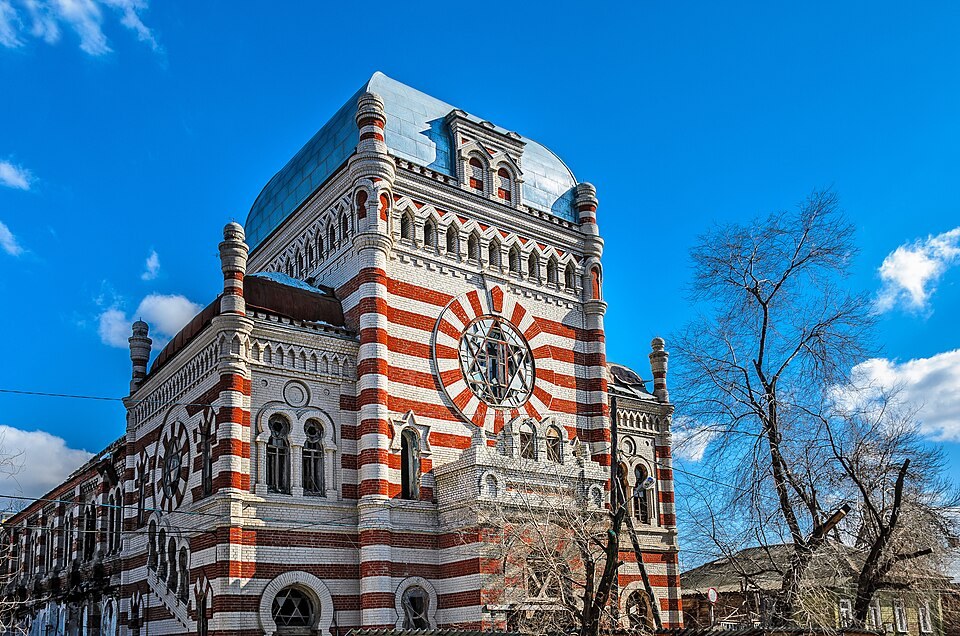
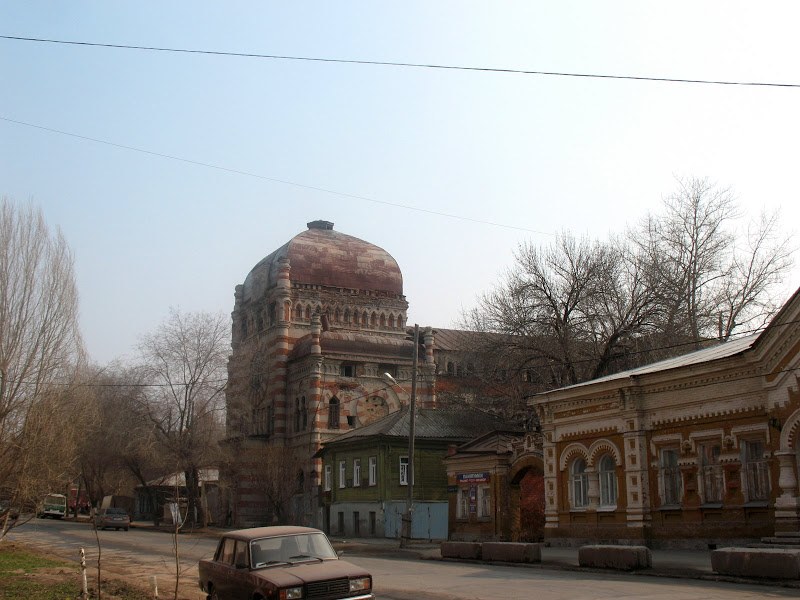
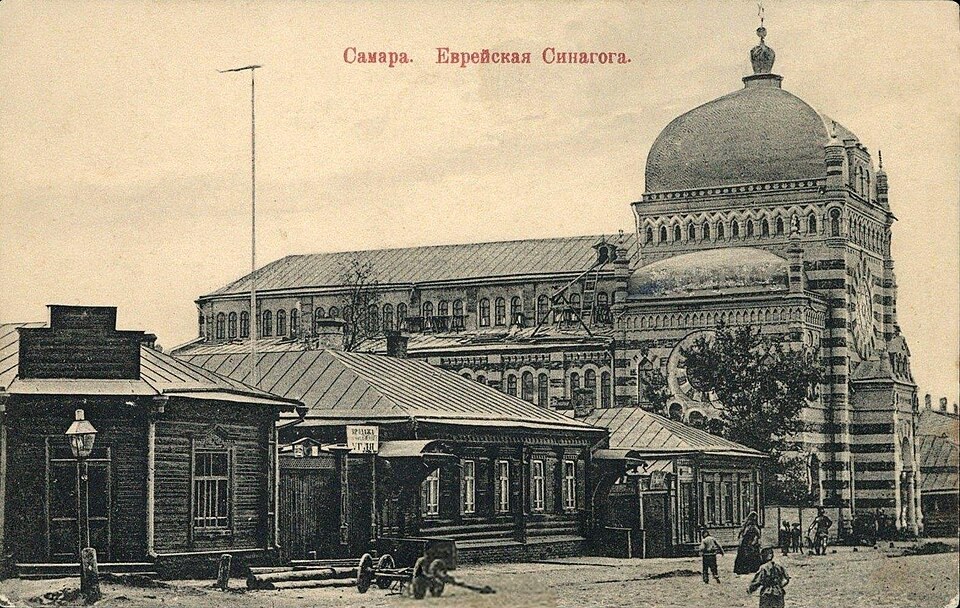
Samara Choral Synagogue has an unusual outline in the city centre. Its decorative forms evoke Moorish Revival architecture, while the scale of the building shows how important the project was to the Jewish community of the early twentieth century.
The synagogue was a place of worship and communal life. Its construction speaks of people building not a temporary refuge in Samara, but a future of their own. The building gave the community a visible place in the city.
Yet its original use lasted only about two decades. It was closed in the late 1920s, and the interior was assigned other purposes. This forms part of a wider history in which religious buildings were separated from the communities that had created them. A facade might remain while life inside changed completely.
As you look from the street today, try to hold these layers of time together. This is an architectural landmark, evidence of a rupture in community life, and a focus of efforts to preserve heritage. Repairing a building cannot erase the intervening years; they too are part of its story.
Step back until you can see the full facade, then find one detail you missed at first. The synagogue rewards that attentive way of looking. It reminds us that a city guide should tell us about more than beautiful walls. It should also help us remember the people for whom those walls mattered.
First find a place from which you can take in the building's whole outline. The synagogue was intended as a visible home for a community, and its appearance stands out among the neighbouring buildings. Yet its history cannot be reduced to one striking photograph. Its use changed during the twentieth century, and so did the ways people could relate to it.
A synagogue is more than a room for prayer. It can also support gathering, learning, a shared calendar, and the everyday life of a community. When a historic building loses its original function, more than a sign above the door disappears. The familiar link between people and space is interrupted. As you study the facade, remember those who once came here not as sightseers but as members of the community.
Today it is best to view the building from a public street and not assume that visitors can enter freely. Step back and choose one architectural detail that catches your attention first. Then examine the surrounding houses. The contrast reveals how varied life in old Samara was. Every city block contains stories that announce themselves immediately and others that emerge only when someone stops to ask a careful question.
Learn more
It helps to separate three stories at the synagogue. The first is architectural: why the building has this form and how it meets the street. The second is about the people for whom it was a place of worship and community life. The third concerns the changes in its use. If we tell only one, the others disappear from view.
Look at the facade with all three perspectives in mind. What can you see directly in its shapes and materials? What would documents and memories tell us about community life? And what do changes in the building's purpose say about the times it passed through? Asking these questions is especially important where the interior is not open to visitors. The street can still be the beginning of a meaningful encounter.