LISTEN TO THE PLACE
A story worth knowing
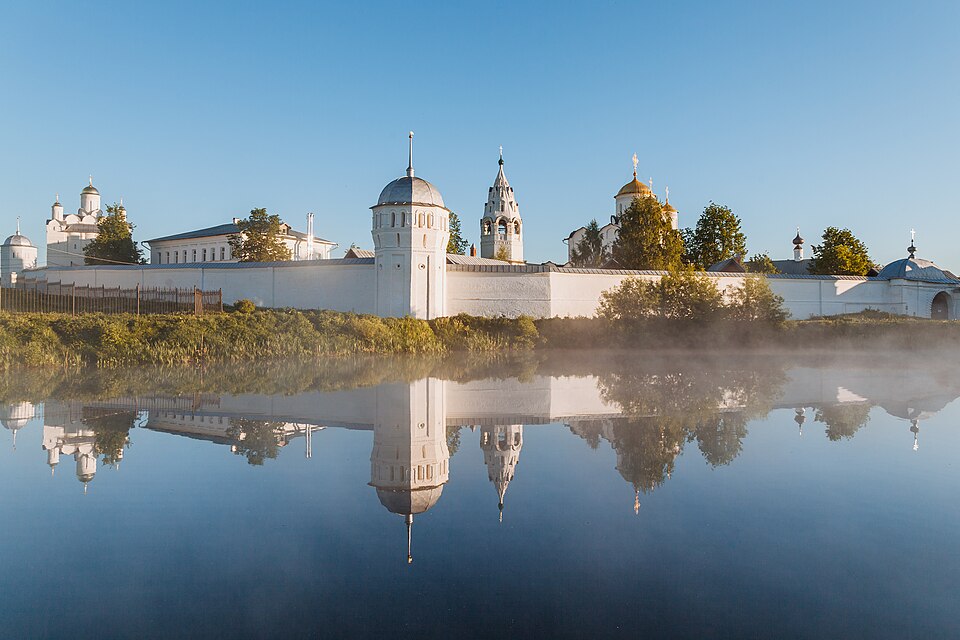
The Intercession Convent appears calm and full of light. Behind that image lie the lives of women for whom its enclosure was not always a boundary freely chosen.
The community's origins are associated with the fourteenth century, but a particularly important period came in the early sixteenth. Major stone buildings were added under Vasily the Third. His first wife, Solomonia Saburova, became one of the convent's most famous residents after taking the veil in 1525 under the name Sophia.
The end of their marriage belonged to dynastic politics. The convent's history therefore cannot be reduced either to beautiful architecture or to private tragedy. Power, religion, family relationships and succession met here.
Other women from prominent families later entered the community. Some embraced religious life through conviction; others arrived because more powerful people decided their fate. Similar clothing and a shared routine did not mean identical lives.
Look at the cathedral, enclosure and intervals between buildings. The ensemble suggests clarity and order. Against that calm setting, the complexity of the human stories becomes especially striking.
This is now an active women's convent. When exploring the accessible areas, remember that the community is more than a background for visitors. Consider how the same place could become a refuge, a vocation or an imposed home for different people. That thought adds depth to walls easily admired only as part of Suzdal's picturesque landscape.
Learn more
A legend claims that Solomonia Saburova bore a son after entering the convent. Popular retellings add details and connect the story with other folklore. It should not be presented as an established biography. Its interest lies partly in the questions people continued to ask about her fate and a possible lost heir, provided the account remains clearly labelled as legend.