LISTEN TO THE PLACE
A story worth knowing
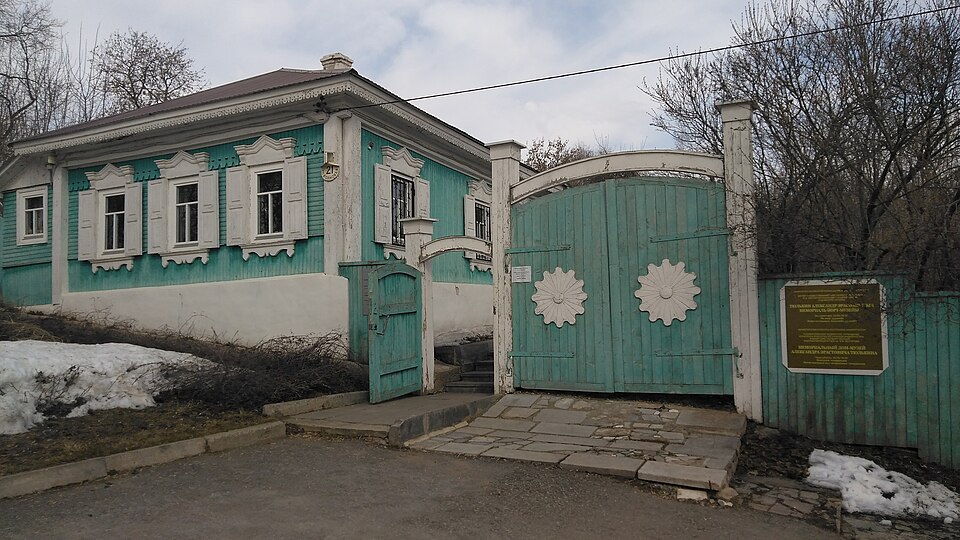
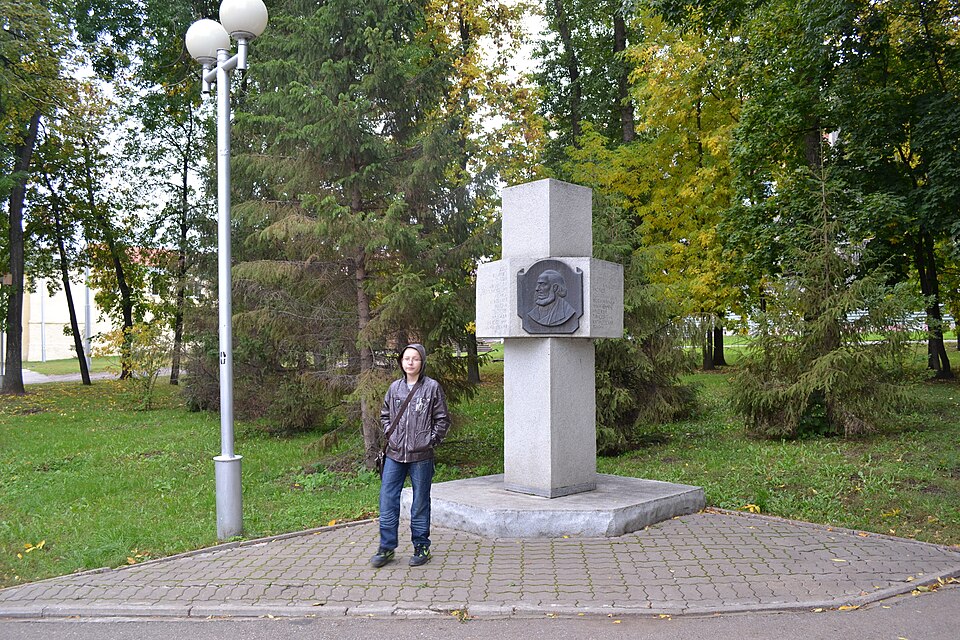
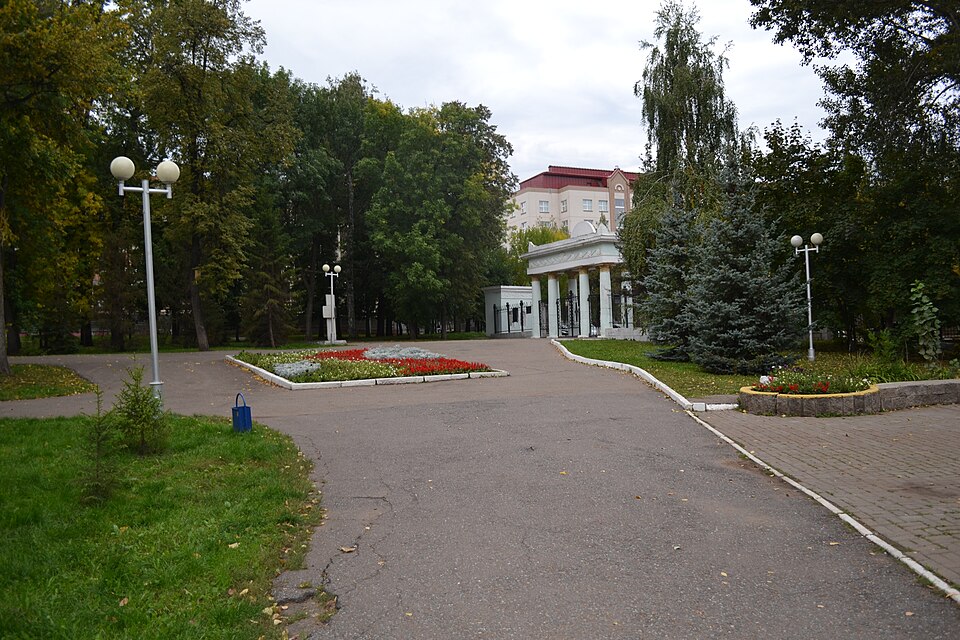
Walk into this garden from Pushkina Street and it does not feel like a formal memorial site first. It feels lived-in: a city park with water, shade, shortcuts, and the ordinary rhythm of people passing through. But the reason this place matters is very specific. the garden stands at 112 Pushkina Street, and in the late eighteenth century this was the estate of Sergey Timofeevich Aksakov’s parents in Golubina Sloboda. Aksakov was born here in 1791. That changes the walk completely. You are not just entering a green space in central Ufa; you are stepping into a piece of the city where literary biography is tied to the ground itself.
The garden offers a quiet pause in the city centre. There is no need to turn the visit into a checklist. Notice how its character changes beside the water, deeper among the trees and near open areas. You might pause briefly by the pond or allow more time for a walk. The route introduces the garden; the length of your stay is your choice.
One of those layers is botanical. The listed tree species include oak, American maple, Norway maple, elm, birch, willow, rowan, linden, Siberian larch, and both white and balsamic poplar. That inventory can sound dry until you start noticing how each species changes the feel of the paths: denser shade here, lighter foliage there, a different movement in the wind, a different edge against the water. The garden becomes less of a generic park and more of a sequence of textures.
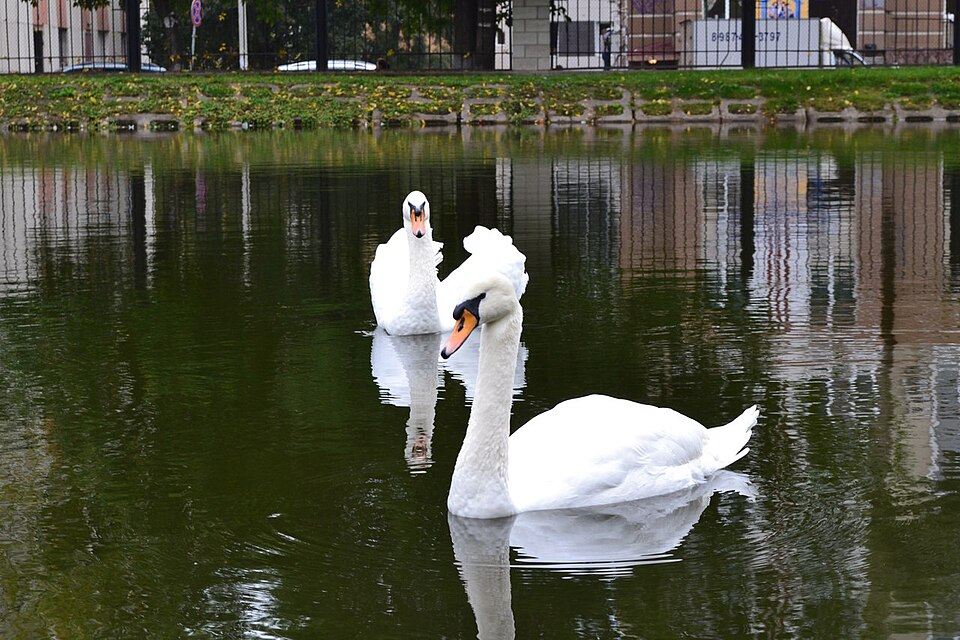
Water is part of its identity too. In 2002, mute swans were introduced to the garden’s lake. Since then, the pond has been one of the most recognizable elements of the site. Even if you do not spot the birds right away, the lake organizes the walk: open views after enclosed paths, reflections after leaves, a pause in the middle of the city.
The sources also describe the garden as a regional cultural heritage site and note that it hosts public cultural events for different age groups. That official status matters, but the place works best on a human scale. You can come here because of Aksakov, because you like old urban gardens, or simply because central Ufa occasionally needs a quieter register. Here, memory is not staged too heavily. It sits in the trees, the water, and the fact that an everyday walk can still carry a long past.
Learn more
There is another way to read Aksakov Garden: not only as a literary site, but as a small field guide to how a city park is built from trees, water, and habit. The source material lists oak, two kinds of maple, elm, birch, willow, rowan, linden, Siberian larch, and two kinds of poplar. In a compact garden, that variety does real work. It shapes shade, sound, color, and the rhythm of the paths.
Try walking without looking for a single headline attraction. Move from one patch of canopy to another, then toward the water. According to the sources, mute swans were brought to the lake in 2002, giving the pond an identity people remember easily. That detail may sound small, but it changes how the place is used and pictured.
Aksakov’s connection explains why the garden is historically important. The landscape explains why people actually linger. Together, they make this a good place to notice something central Ufa does well: even in a busy district, a modest garden can still slow your pace and sharpen your attention.