LISTEN TO THE PLACE
A story worth knowing
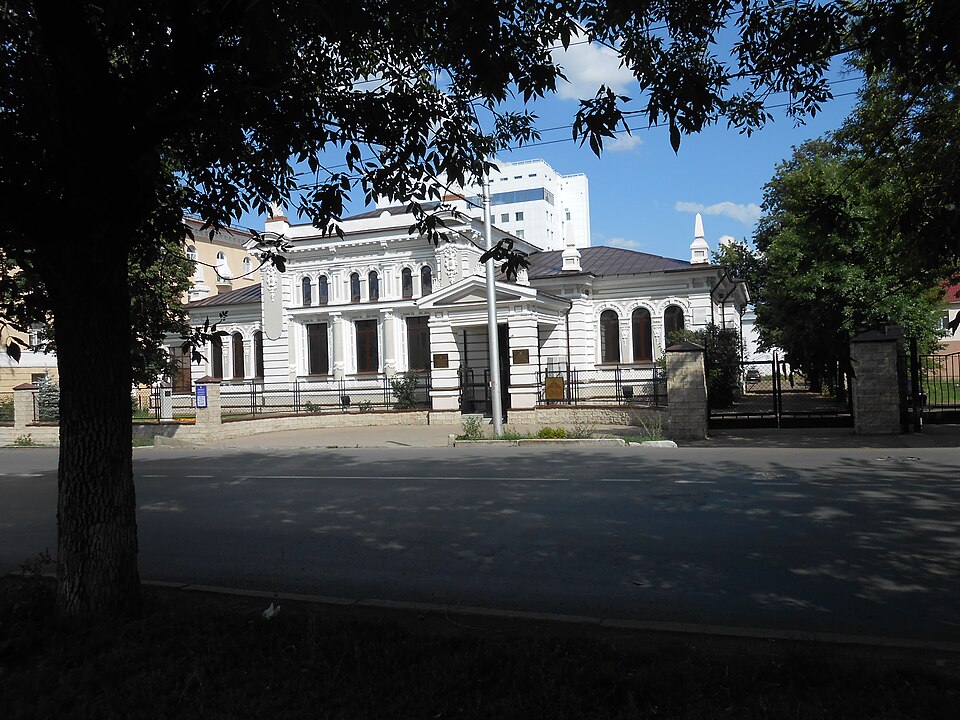
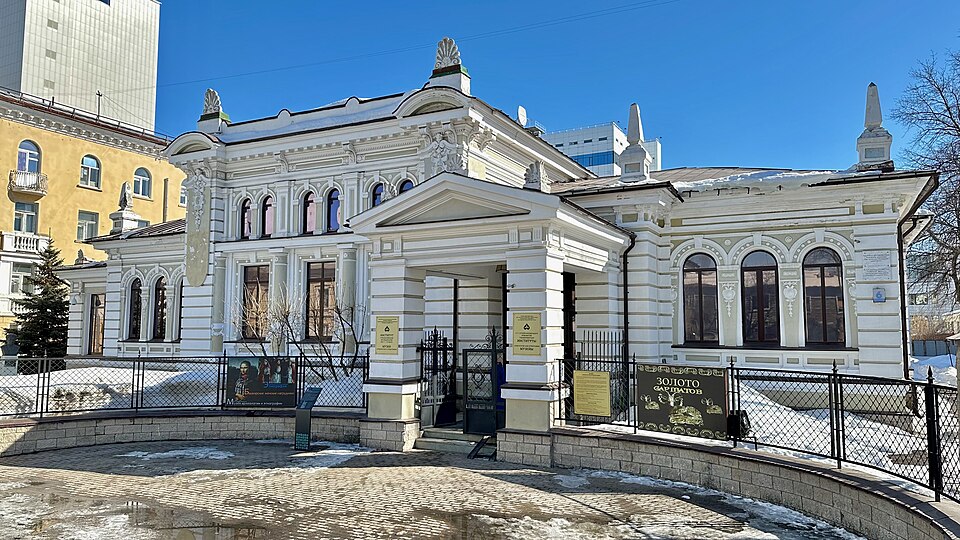
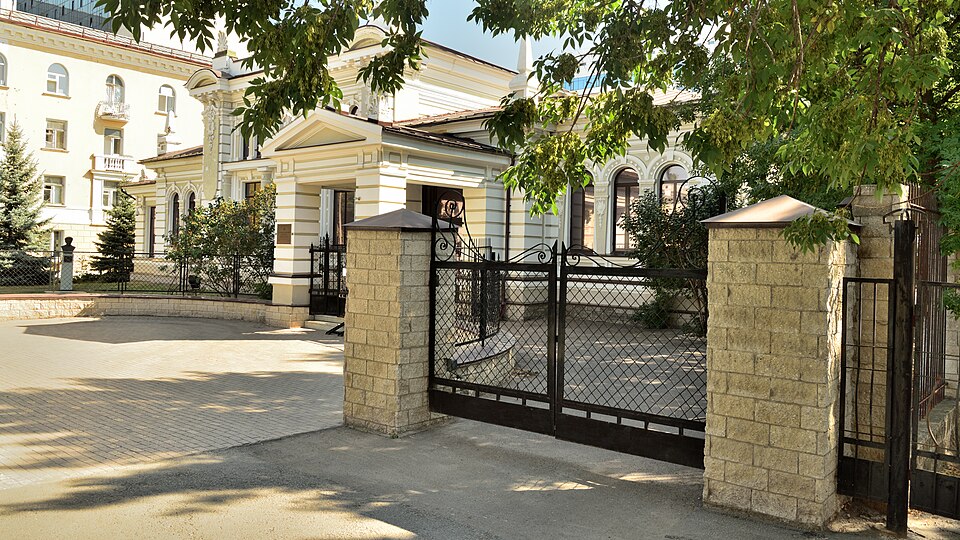
At 6 Karl Marx Street, this is the kind of address that can seem quiet at first and then keep unfolding the longer you look at it. Today it houses the Museum of Archaeology and Ethnography of the UFRC RAS, but the building’s story began earlier. The early-20th-century mansion is associated with Yelena Ponosova-Mollo, whose name became attached to the house.
What makes the place compelling is not just the museum inside, but the sequence of lives the building has already had. In 1919, the mansion served as the headquarters of the 25th Rifle Division under Vasily Chapaev. During the 1920s and 1930s, it housed the Museum of the October Revolution, and later it became the House of Scientists. If you follow that chain closely, the house starts to read like a compact urban archive: merchant residence, military headquarters, Soviet museum, academic address. Ufa often reveals itself this way—not through one grand statement, but through buildings that keep being reused without losing their memory.
The decision to establish the Museum of Archaeology and Ethnography was made in 1976, and it opened to visitors in 1980. That matters because this is not only a place of display; it is also a place shaped by research. The mood here is less about reciting dates and more about asking how the past is reconstructed from objects, fragments, and material traces found across the Southern Urals.
The permanent display is organized into four halls: “Archaeology of the Southern Urals,” “The World of Bashkir Culture,” “Peoples of Bashkortostan,” and “Sarmatian Gold.” The sequence gives you several ways into the region at once: archaeology, everyday culture, the republic’s ethnic landscape, and a focused section on Sarmatian finds. It works best if you take it in stages, almost like walking through four different conversations about the same territory.
Check visiting arrangements before planning a separate museum visit. This outdoor stop introduces the building and its history. Standing here, you are not just near artifacts from the distant past. You are also in a house that links merchant Ufa, the Civil War, Soviet institutions, and the city’s continuing effort to study its own past.
Learn more
This stop can be approached as a museum, but it also works as a lesson in how cities reuse their buildings. The mansion at 6 Karl Marx Street did not begin as a museum. It was part of merchant Ufa, then in 1919 it became headquarters of the 25th Rifle Division under Vasily Chapaev. During the 1920s and 1930s, it housed the Museum of the October Revolution, and later the House of Scientists before taking on its present role.
That sequence matters. It shows how one address can move through very different political and cultural eras without dropping out of city life. So even before you think about archaeology or the “Sarmatian Gold” hall, the building itself offers a clue to Ufa’s character: change here often happens by adaptation. A house survives, its purpose shifts, and the city leaves another layer inside the same walls.