LISTEN TO THE PLACE
A story worth knowing
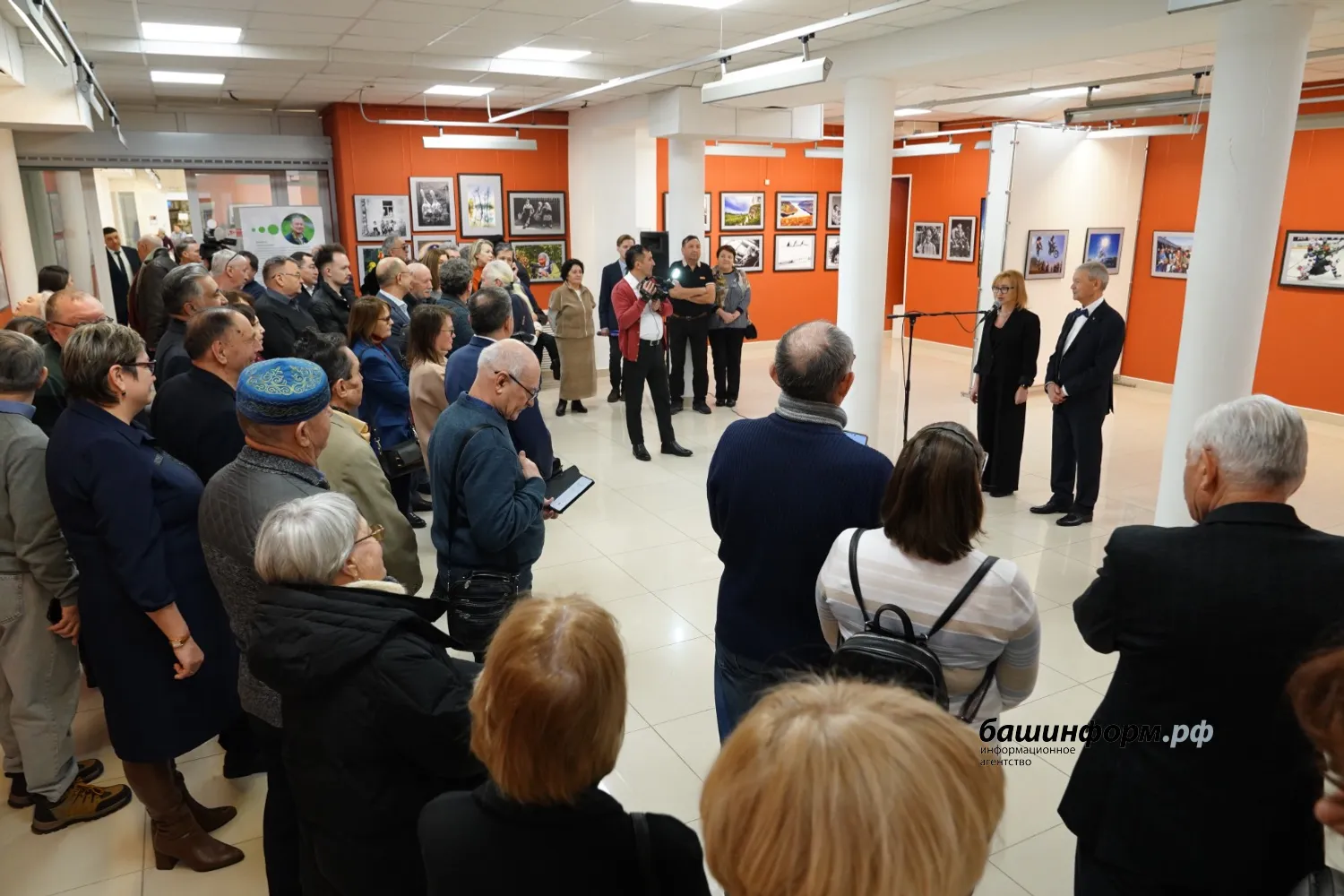
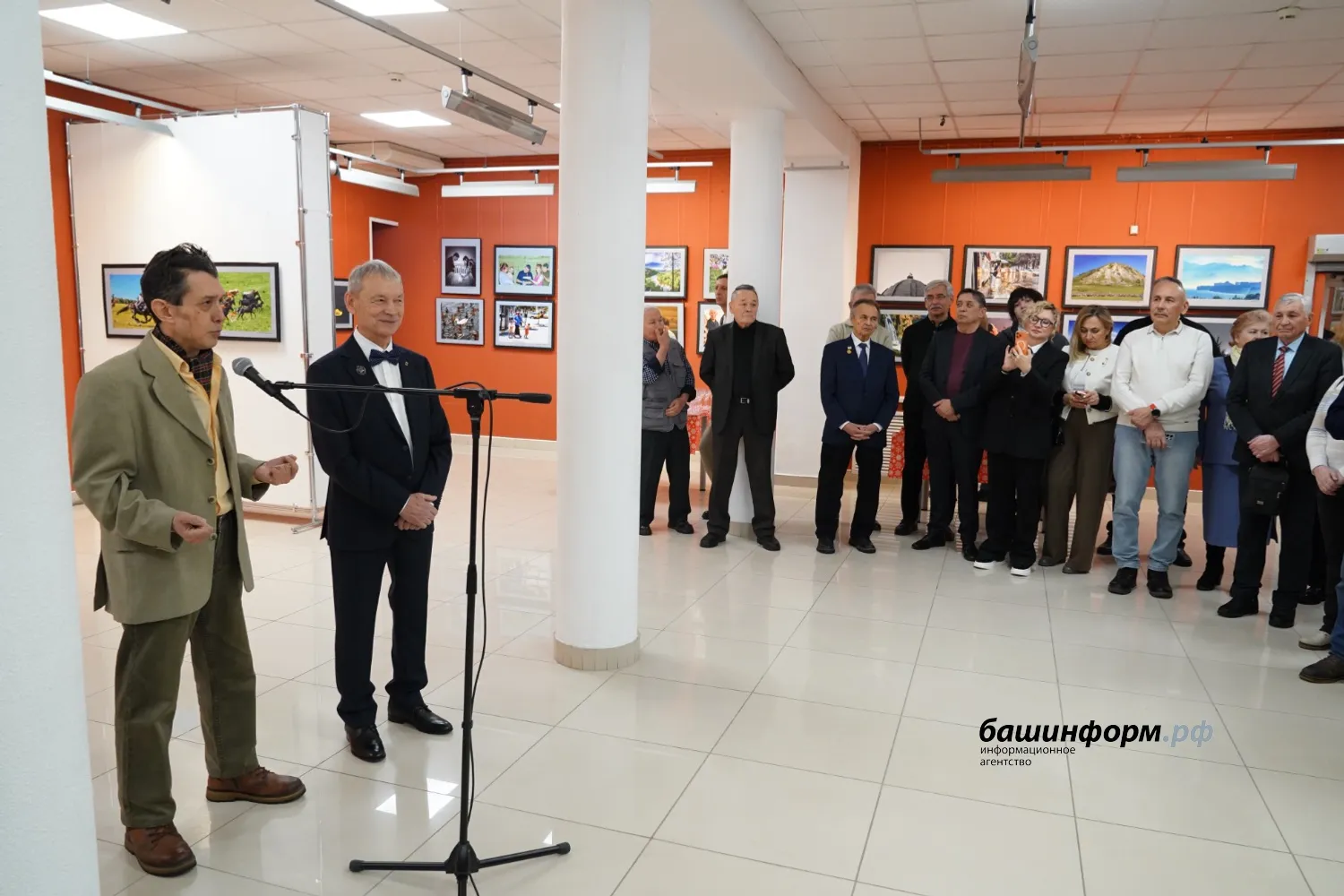
At 34 Revolutsionnaya Street is the Ufa Art Gallery. Its history began in 1974, when it was established as the Central Exhibition Hall of the republic’s Union of Artists. For a city walk, this offers a different kind of stop: a chance to consider Ufa through the work of people who look at the world and choose how to represent it. A familiar view can become a document, a memory, or an experiment with colour.
The gallery presents painting, graphic art, and decorative and applied arts. Its history includes both individual artists’ exhibitions and group shows. These formats invite different kinds of attention. A solo exhibition lets us follow one artist’s decisions; a group show lets us compare several approaches. Check the current programme before entering, because a changing exhibition means that another visitor’s experience may be quite different from yours.
You do not need to understand every work immediately. One way to begin is to choose a single piece, look at it for a moment, and only then read its label. What caught your attention first: the subject, a colour, a line, or the material? Did learning the title change your first impression? This small experiment can make looking more active without turning a visit into an examination.
There is another question worth bringing into the gallery. Must an artist working in Bashkortostan depict a recognisable local landscape or an object associated with regional traditions? There is no answer a visitor is required to accept. Instead, compare the works and notice how differently artists can relate to their surroundings. Sometimes a connection with place is explicit; sometimes it belongs to a personal experience that the viewer cannot simply decode.
If you decide to enter, allow extra time. Our walking route includes a stop by the gallery, not a complete exhibition visit. Admission arrangements and opening hours should be checked on the gallery’s official website. For now, keep one idea in mind: the street outside and the world represented in a picture do not have to match. Moving between them is a small journey in itself. Afterwards, an ordinary courtyard may catch your eye through a combination of lines or colours you would otherwise have passed without noticing.
Learn more
For a closer encounter, choose one artistic device rather than trying to remember a whole exhibition. You might follow the use of line. A line can outline an object, suggest movement, or work almost independently of a recognisable subject. This is a way of looking, not a promise about a particular work in the current display.
Then change the question: what happens when you look from farther away and then move closer? The overall composition and the traces of a material can offer different impressions. Neither has to cancel the other.
You can continue the experiment outside. The edges of buildings, branches and boundaries between light and shade become lines too. The city is not literally a painting, but a habit of close observation travels well beyond an exhibition hall. Choose one small detail during the next part of your walk and ask yourself why it held your attention.