LISTEN TO THE PLACE
A story worth knowing
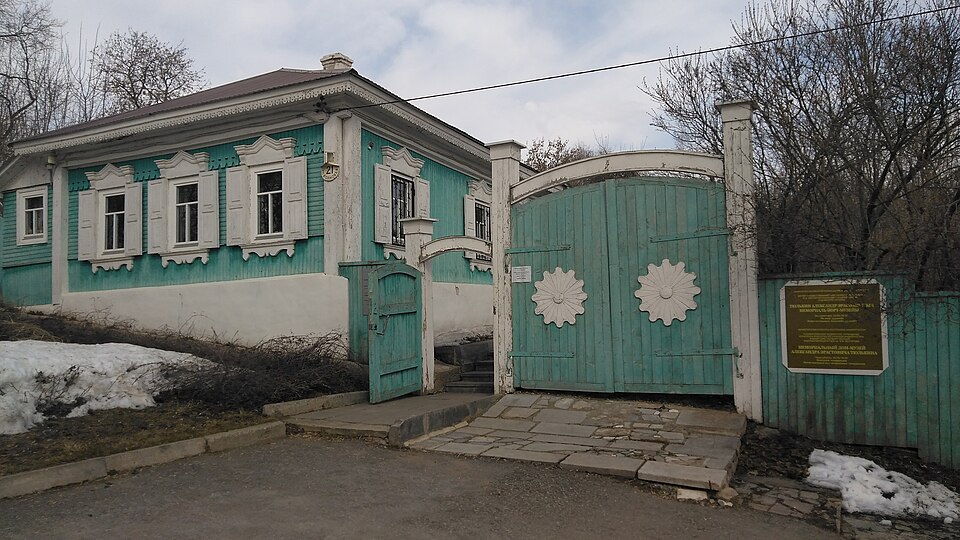
On Gogol Street, number 28 does not need to dominate the block to matter. Its importance is quieter than that. This is the Memorial House-Museum of Majit Gafuri, and the first thing to understand is simple: this is not a literary display placed in a random historic building, but a real address connected to the poet’s own life.
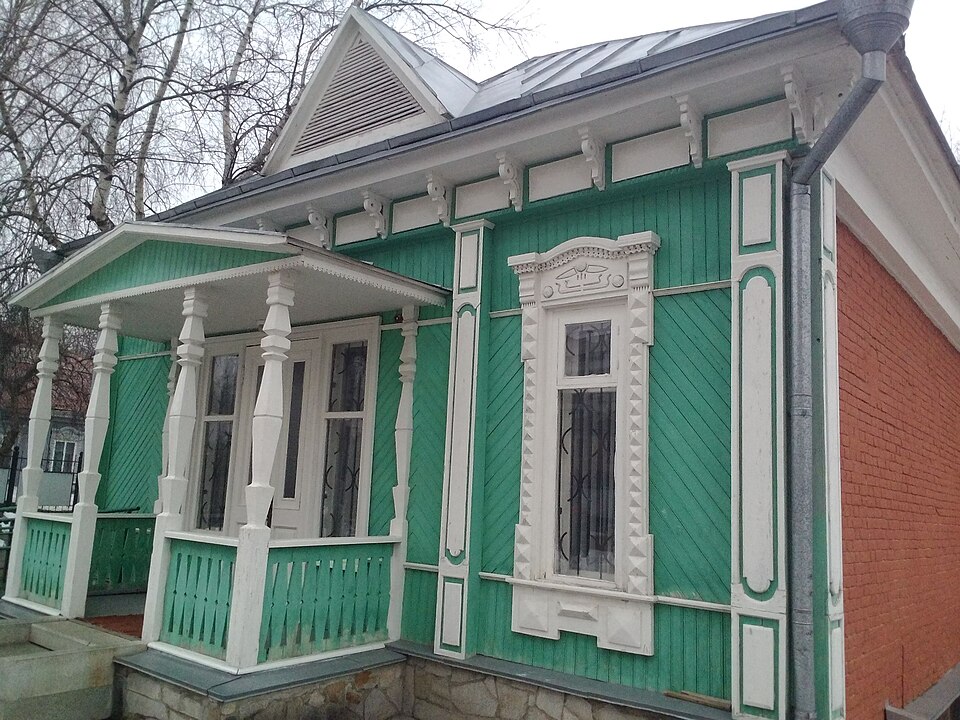
The house is described in the sources as a 19th-century architectural monument. That matters because the museum is anchored in an older layer of Ufa, where biography and the city’s built fabric still overlap. In 1923, the house was given to Gafuri by the Bashkir Central Executive Committee in connection with his being awarded the title of People’s Poet of Bashkiria. He lived here for eleven years, until 1934. For a visitor, that fact changes the atmosphere immediately: you are not just learning about a writer, you are standing at the place where his daily life unfolded.
The museum opened in January 1948, and is described as one of the first literary museums in Bashkortostan. That early opening says something about how quickly Gafuri’s memory was formalized in public space. The distance between lived experience and museum interpretation was still relatively short, which gives the house-museum format particular force here. It is not only about literary reputation; it is also about preserving the scale of ordinary rooms, domestic routines, and a recognizably lived-in setting.
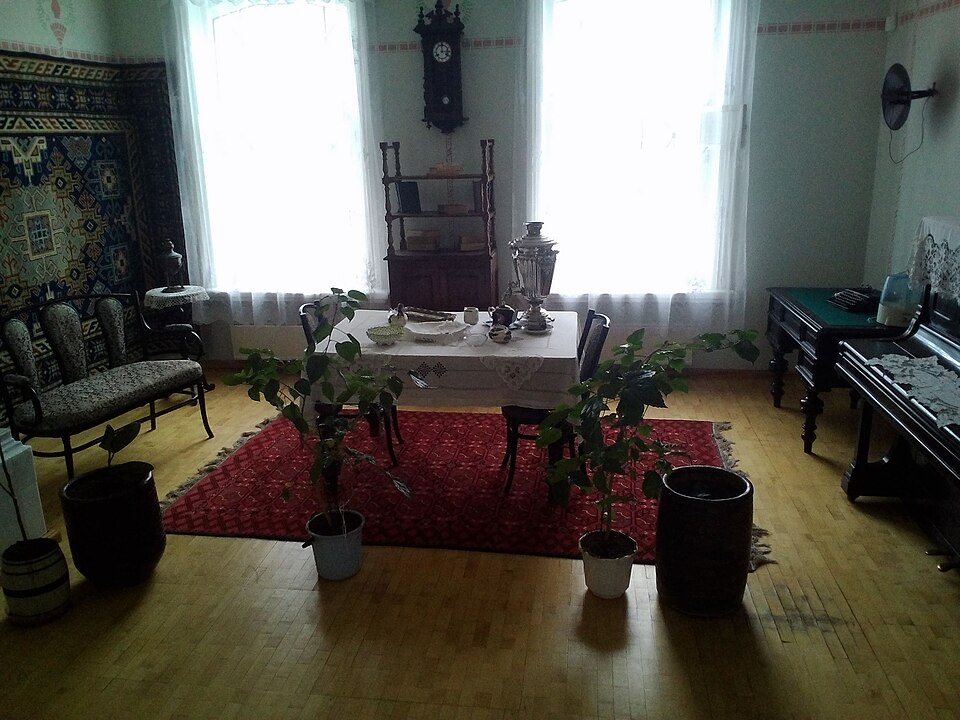
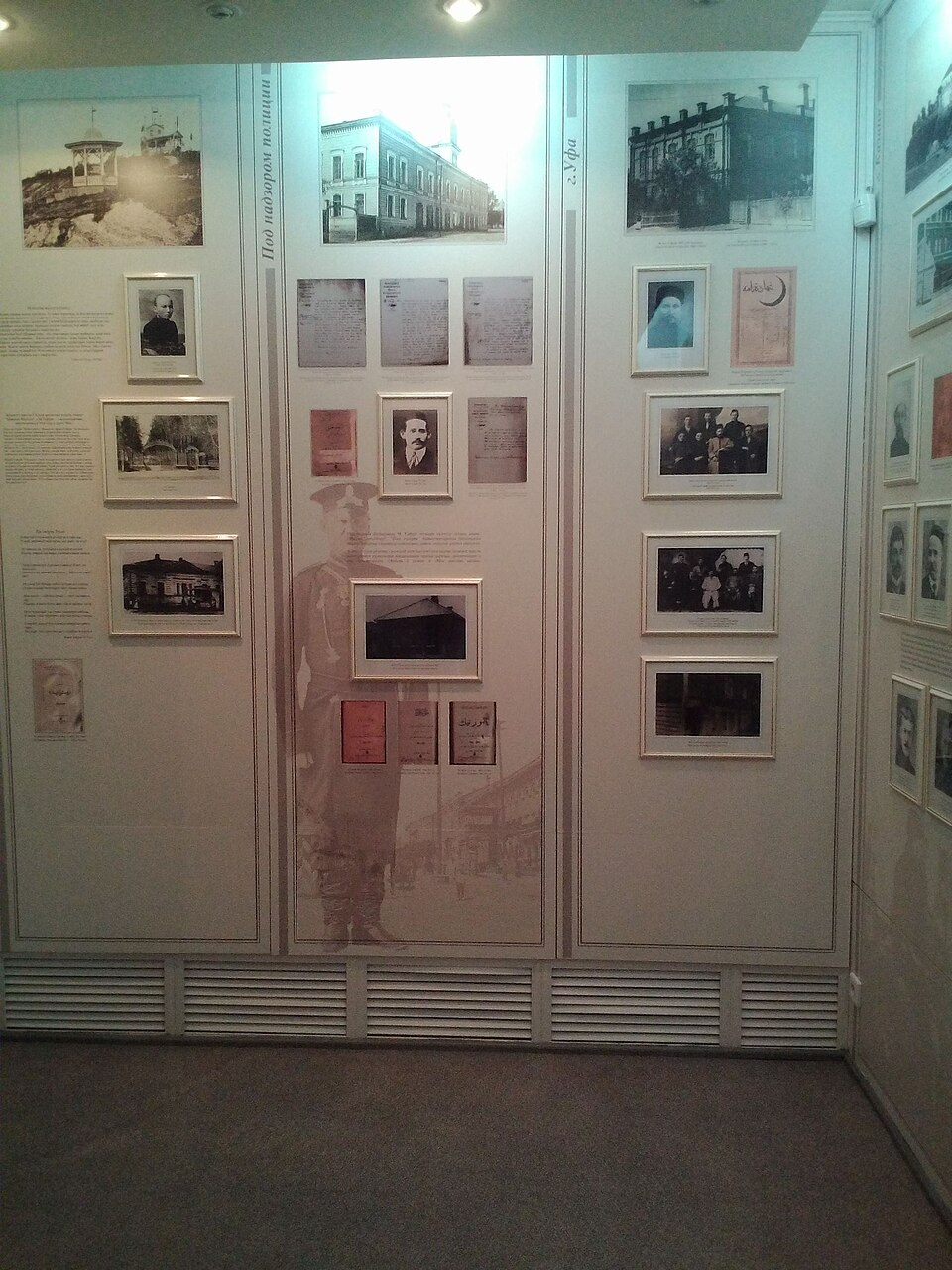
The exhibition combines documents about Gafuri’s life and writing with the restored setting of his apartment: the living room, bedroom and study. That structure creates a useful rhythm. First comes the public figure: the poet, the career, the documents. Then comes the private dimension: the apartment, the household setting, the more intimate frame of memory. The museum works best in that shift between the two, where an official cultural biography becomes something more human and legible.
Today the house-museum is a branch of the National Literary Museum of the Republic of Bashkortostan. But the institutional label is not the most vivid way to approach it. Better to think of it as an old Ufa house where literary history is told at room scale. Here, the life of a poet is measured not only in titles and publications, but in one enduring city address that outlived him and stayed in public memory.
Learn more
If you approach this place not as a museum full of objects but as a way of telling a life through a home, it becomes far more compelling. Ufa has many sites where history is presented in an official voice, through dates and names. Here the scale is smaller: an address on Gogol Street, a 19th-century house, a handful of rooms, and a literary story told through domestic space.
That is the strength of the Majit Gafuri house-museum. It opened in January 1948, and its exhibition spaces combine two different modes of looking. One is documentary, focused on the poet’s life and work. The other is memorial, preserving the apartment where he lived for eleven years after the house was given to him in 1923.
This changes the way you read the site. You are not only meeting the public figure of a People’s Poet, but also seeing how a city leaves traces inside private life. For a short stop, it is an effective kind of museum: compact in scale, but unusually good at making literary biography feel grounded in a real urban address.