LISTEN TO THE PLACE
A story worth knowing
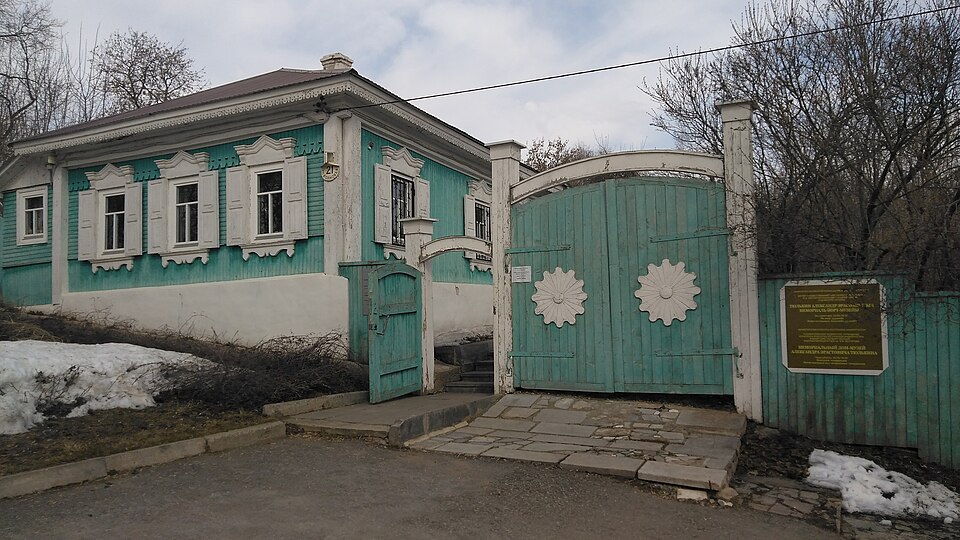
At 20 Novomostovaya Street, this house tells two stories at once. One belongs to a person, Shagit Khudaiberdin. The other belongs to the making of Bashkortostan in the 1920s. Today the building is the Shagit Khudaiberdin House Museum, but its own life began much earlier: according to the museum sources, it was built in the 1860s for Major General Kapiton Parfenovich Slotov.
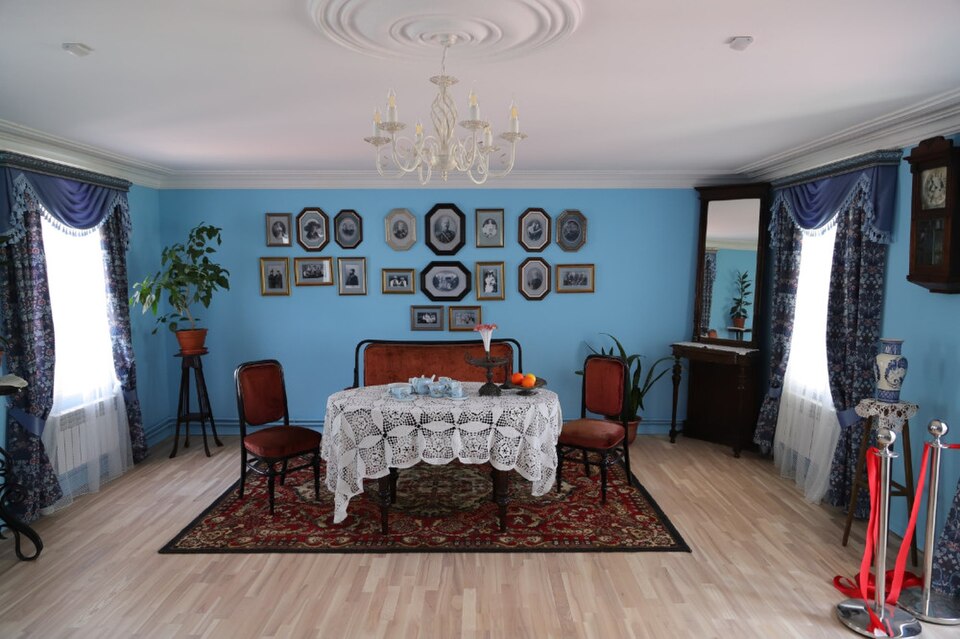
What makes the place worth slowing down for is not just its age. It is the way the meaning of the house changed over time. In October 1923, the building was transferred to Shagit Khudaiberdin. He lived here only for about a year, yet the family connection continued much longer: his wife and daughter remained in the house until 1960. That detail shifts the tone immediately. This is not only a site of official memory; it is also a former home, with a much longer domestic afterlife than a quick heroic summary would suggest.
The decision to establish the museum was made in 1996, and it opened to visitors on October 10, 2000. It is a branch of the National Museum of the Republic of Bashkortostan. Those may sound like administrative facts, but they matter. They mark the moment when a private address became a public place of interpretation, a space where visitors are invited to think about the 1920s not as a distant chapter, but as a lived and contested period.
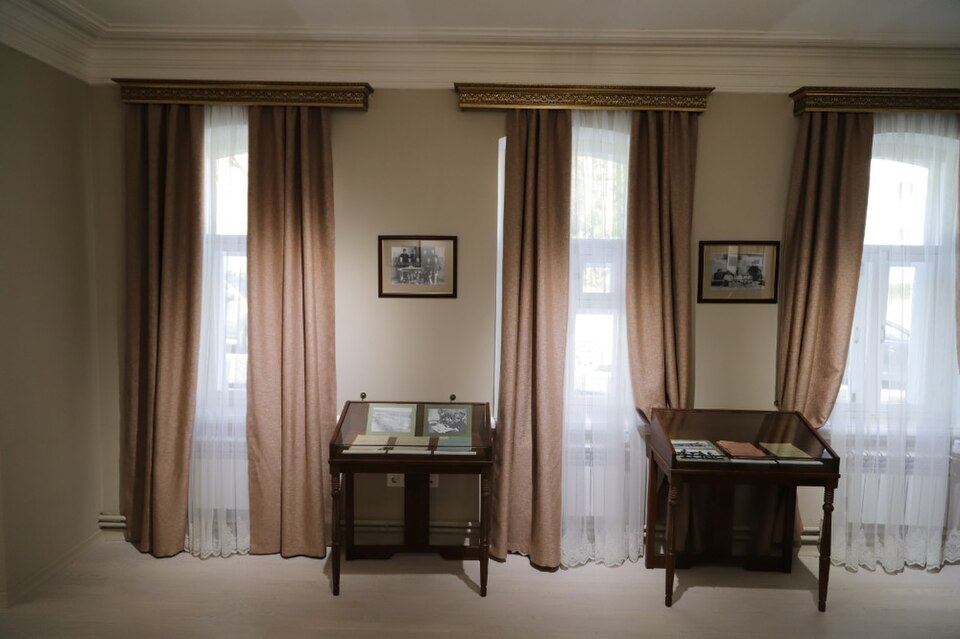
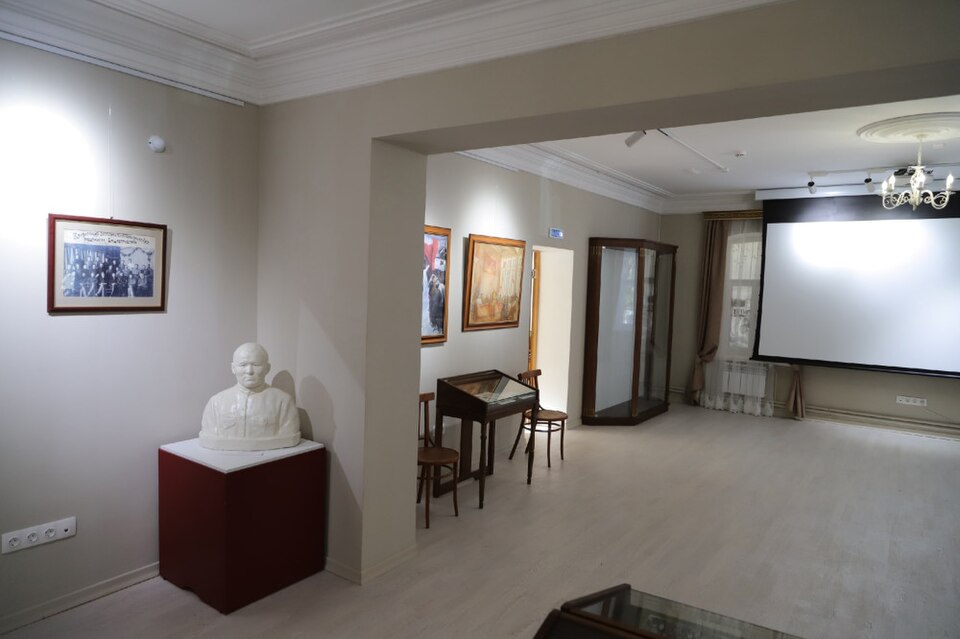
That is the focus of the main exhibition: the national and state formation of Bashkortostan and the creation of the republic in the 1920s. Alongside it is a memorial room dedicated to the Khudaiberdin family. The pairing is effective. One part frames political processes, documents, and public history; the other pulls the scale back to everyday life. Together they make the museum less like a monument and more like a conversation between systems and people.
There is also a recent layer to notice. In 2022–2023, the museum underwent a major reinstallation, capital repairs, and landscaping work as part of the national Culture project. That matters not simply as renovation news, but as evidence that the site is still being reinterpreted. It is not frozen in one museum language forever.
So if you pause here, the house offers more than a biography. It shows how a city address can move from private residence to family memory, from family memory to public history, and from archival history into the present tense. Sometimes a single house explains a region more clearly than a broad historical overview ever could.
Learn more
One of the most interesting things about this museum is its double scale. On one level, it is a house with a precise urban address on Novomostovaya Street. On another, it is a place where the history of Bashkortostan’s state formation is told through rooms connected to one family.
The main exhibition deals with the republic’s formation in the 1920s, while a separate memorial room is devoted to the Khudaiberdin family. That combination keeps the museum from becoming too abstract. Political history is present, but so is the quieter fact of habitation: Khudaiberdin himself lived here only briefly after the house was transferred to him in 1923, while his wife and daughter stayed until 1960.
The museum opened to visitors in 2000, and its recent 2022–2023 renovation added another chapter. For a listener, that makes this less a static memorial than an evolving place, one that keeps asking how public history should be told inside a former home.