LISTEN TO THE PLACE
A story worth knowing
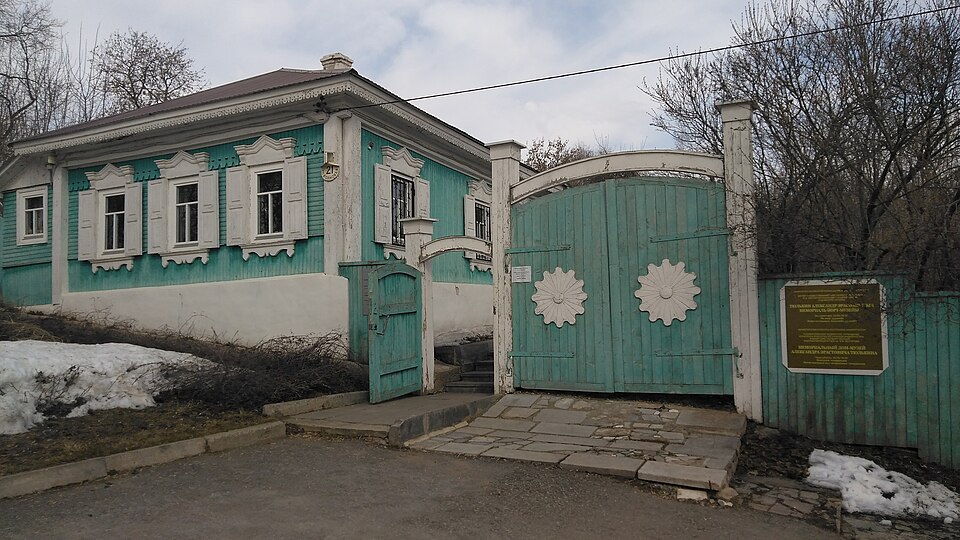
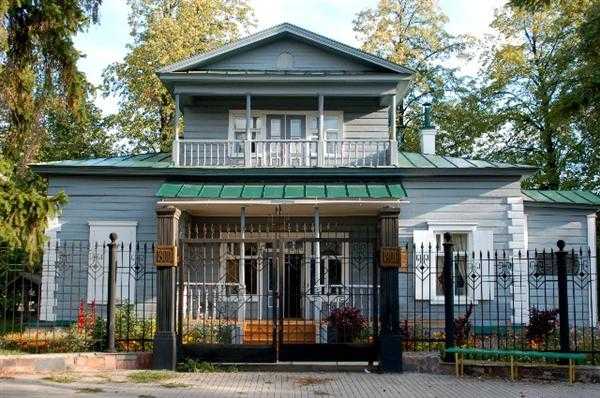
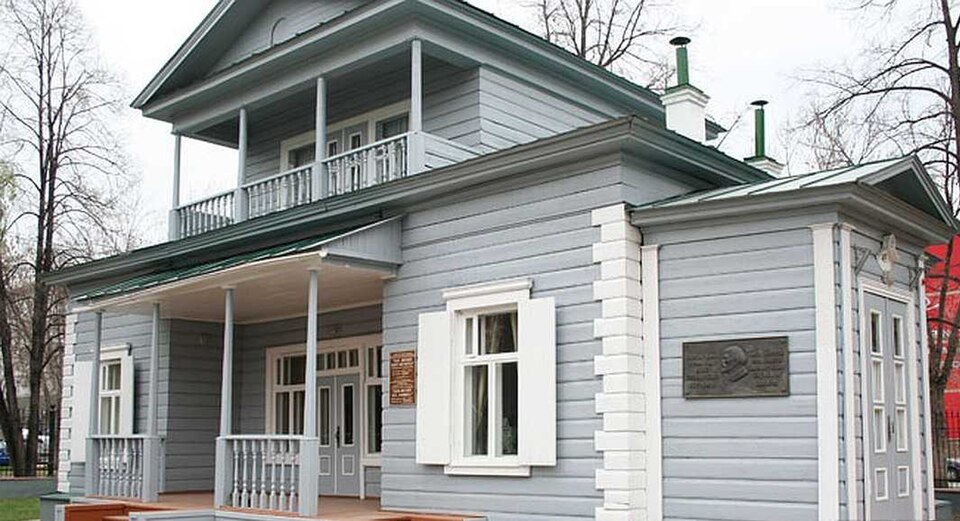
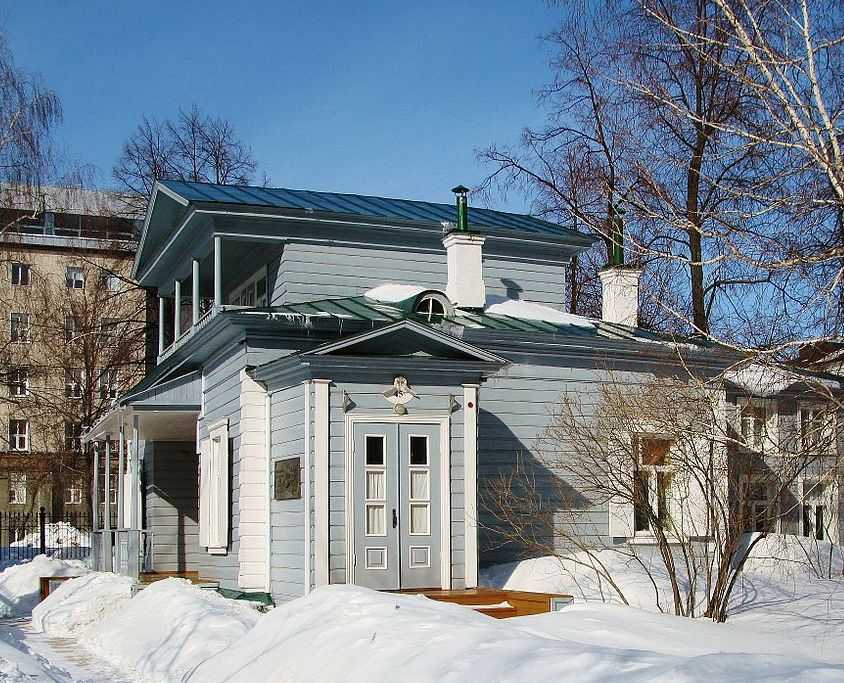
On Dostoevsky Street, at number 78, in Ufa’s historic Kirovsky district, there is a house that makes more sense when you approach it as part of the city rather than as a monument. It is easy to imagine Ufa through broad avenues and official landmarks, but places like this tell a different story. According to the museum’s history, Vladimir Lenin and Nadezhda Krupskaya lived here in the summer of 1900. Krupskaya was spending the last year of her exile in Ufa, and Lenin stayed for about three weeks.
That short stay is what gives the house its particular weight. This is not a grand political stage. It is a domestic address tied to a brief but documented episode. Accounts of the visit also record that Lenin met with Ufa social democrats during this period. Still, what the museum preserves is not only political context but the texture of ordinary life around it: a rented home, a provincial street, a temporary routine, and the overlap between daily existence and ideas that would later be read as history.
The museum opened on January 21, 1941. The building is recognized as a federal cultural heritage site. One detail matters here: the building was altered during its museum history, so its present appearance should not be taken as an exact image of the house in 1900. For anyone interested in how cities remember, that is revealing. The place is historically continuous without pretending to be frozen in time.
Inside, the museum presents a reconstructed early twentieth-century setting. The confirmed descriptions mention personal belongings, photographs, and documents connected with Lenin and Krupskaya’s stay in Ufa. That may sound modest, but modesty is exactly the point. Instead of pushing visitors toward a single interpretation, the material allows you to notice scale: how history can be read through objects, paperwork, domestic space, and the routines of a temporary household.
The museum also remains active beyond the memorial function. Official descriptions mention guided tours, lectures, themed exhibitions, and educational programs for school and university students. It also takes part in joint projects with other cultural institutions. So this stop works best not as a shrine, and not as a slogan, but as a precise urban address where a few verified facts open onto a larger question: how does a city turn lived experience into public memory?
Learn more
A useful way to approach this museum is to shift attention from ideology to scale. The name on the sign is famous, but the place itself is small and specific: one house, one address, one short summer stay in 1900. That contrast is what makes the site interesting.
The collection, according to the sources, includes personal belongings, photographs, and documents. In other words, the museum does not rely only on biography in the abstract. It works through traces of everyday life. You are invited to think about how a city remembers people not just through statues and anniversaries, but through rooms, papers, and ordinary objects.
The official descriptions also mention lectures, tours, educational programs, and cooperation with other institutions. So even a brief visit can become less about receiving a finished lesson and more about learning how to read urban history at close range.