LISTEN TO THE PLACE
A story worth knowing
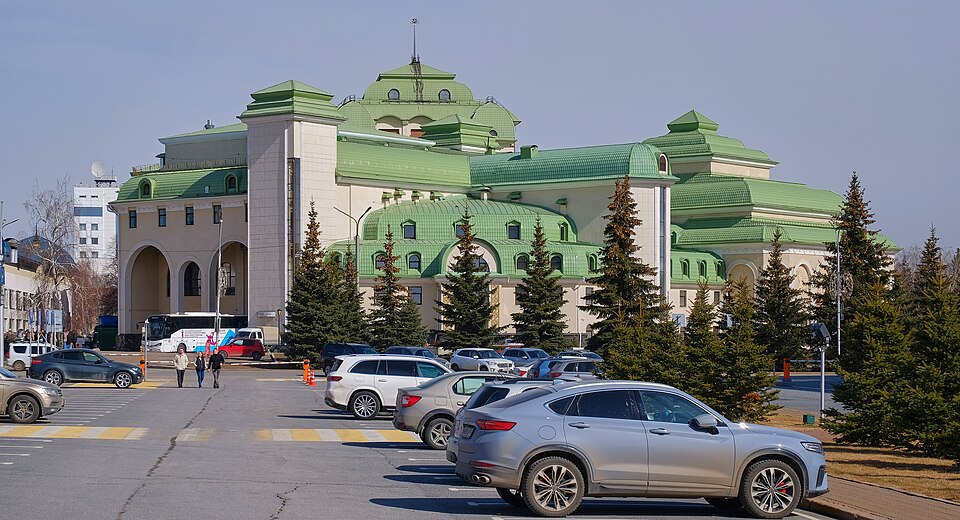
In Teatralny Square, near the Bashkir Opera and Ballet Theatre, stands a monument to composer Zagir Ismagilov. The nearby musical stage helps explain the setting: the story of music begins outside the theatre, with a person whose work connected composition and musical education.
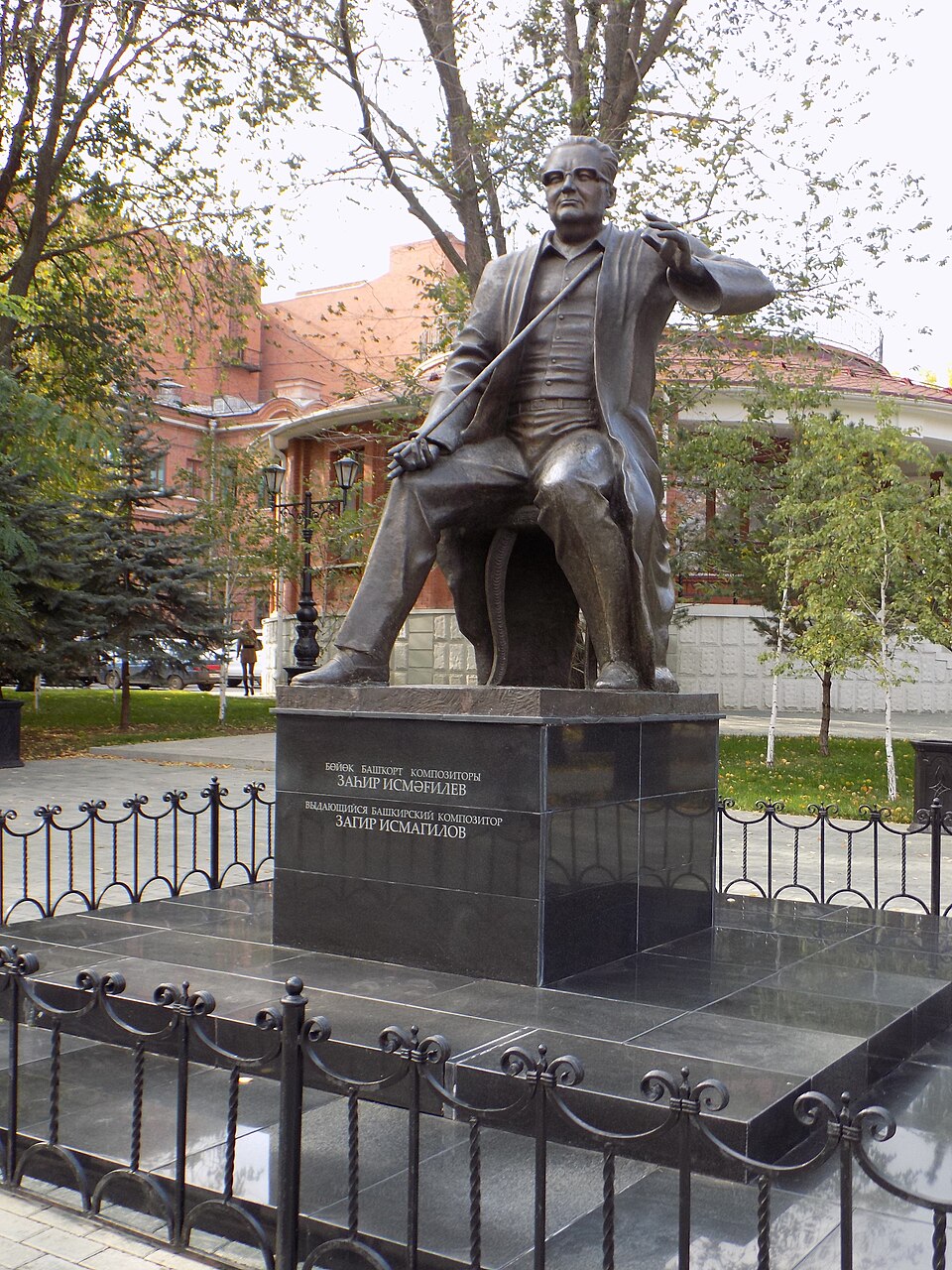
Take a moment to look at the figure before reading the inscription. A seated person invites a different kind of attention from a standing figure addressing a crowd. Notice the position of the hands and the instrument. These details give the portrait a specific activity rather than leaving it as an abstract statement of importance.
The monument was unveiled on October 18, 2008, a date chosen for a special reason. The opening celebrated the Arts Institute’s 40th anniversary—an institution established and first led by Ismagilov himself. Such a choice for the unveiling connects the location even more intimately with the legacy of the composer, making the monument not just a reminder of the man, but a living part of the city’s musical education ecosystem.
Now, take a closer look at the sculpture. The artist Khanif Khabibrahmanov and architect Sergey Goldobin collaborated to bring this tribute to life. The figure is solid bronze: Ismagilov is captured sitting serenely on a chair, lost in contemplation, with a kurai—the traditional Bashkir wind instrument—in his hand. The kurai has long symbolized the spirit and music of Bashkortostan. Picture Ismagilov here, perhaps drawing inspiration from these surroundings, the melody of the kurai echoing through his mind. Can you almost hear distant notes blending with the sounds of modern Ufa?
The inscription identifies Zagir Ismagilov as a Bashkir composer in both Russian and Bashkir. The words name the subject, while the sculpture offers a way to imagine him through posture and an instrument. These are different parts of the same act of remembrance.
We cannot know which melody the figure might be imagining. This is an artistic interpretation, not a recording of a particular biographical moment. The kurai nevertheless provides a concrete starting point for thinking about the relationship between a composer and musical traditions.
As you stand here, consider how a city honors its cultural heroes. What does it mean for a composer’s legacy to be enshrined not just in concert halls or sheet music, but in bronze, in a busy city square? This monument captures the moment when individual artistry meets collective memory—ensuring that Zagir Ismagilov remains an ever-present inspiration for future generations who pass through Teatralny Square.
Learn more
The bronze monument to composer Zagir Ismagilov stands in Teatralny Square on Lenin Street, in the heart of Ufa. Unveiled on October 18, 2008, it honours a major figure in Bashkir music and the founder and first rector of the local arts institute. The opening of the monument was timed to celebrate the academy’s 40th anniversary, linking Ismagilov’s educational legacy to his creative achievements.
As you approach, you see Ismagilov seated on a chair, captured in a moment of inspiration, holding a kurai – the traditional Bashkir flute. Why do you think the sculptor, Hanif Khabibrakhmanov, chose this specific pose and instrument? The kurai is much more than a musical tool; its melodies embody the spirit and vastness of Bashkortostan itself. Here, it symbolizes Ismagilov’s role in connecting Bashkir heritage with contemporary art forms.
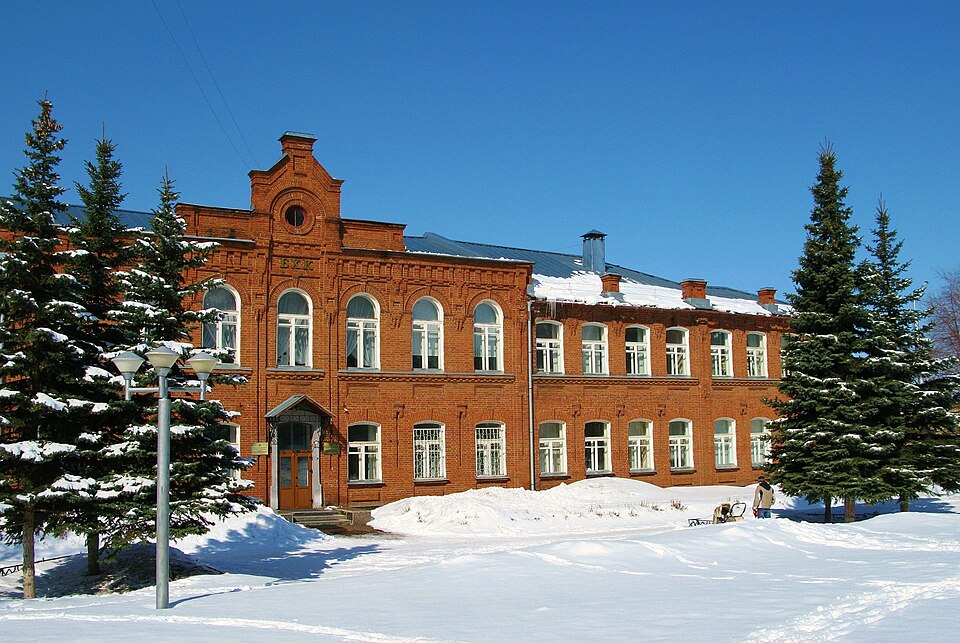
Take note of the inscriptions at the base, written in both Russian and Bashkir, which read: “Outstanding Bashkir composer Zagir Ismagilov.” The placement is not accidental—the monument sits across from the Institute of Arts that now bears his name and near the Opera and Ballet Theatre, making Teatralny Square a living center of creativity and memory in Ufa’s urban landscape. Standing here, can you sense the inspiration future musicians draw from Ismagilov’s enduring presence?