LISTEN TO THE PLACE
A story worth knowing
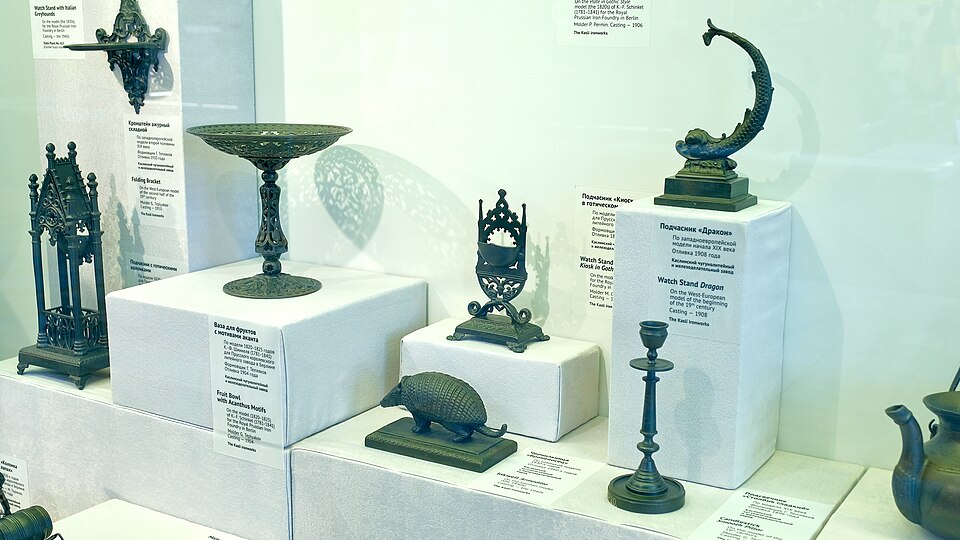
The Urals readily bring to mind heavy metal, factories and large machinery. The Museum of Fine Arts offers another way to look at those materials. Inside its building at 5 Voyevodina Street stands the Kasli Cast-Iron Pavilion, a structure whose substantial metal forms an intricate, almost lace-like pattern. It makes a rewarding stop in a walk through an industrial city.
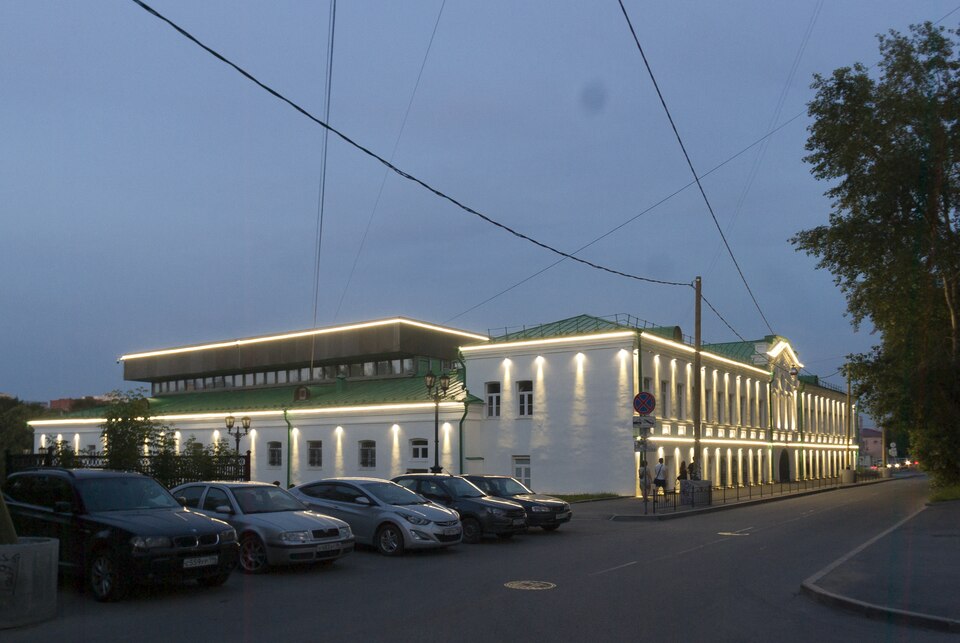
The address lies beside the Iset in the Historical Square. The museum occupies a building associated with the former factory hospital. This connection is fitting: a place belonging to industrial life now helps reveal the artistic dimension of regional craftsmanship. Moving from production to art does not require us to forget materials or manual skill.
The pavilion was made for the Paris World’s Fair of 1900. Yevgeny Baumgarten designed it, with Maria Dillon contributing its sculptural elements. It was intended to display products from the Kyshtym mining district. The display structure itself became evidence of the makers’ capabilities: the architecture around the exhibits could attract as much attention as the objects inside.
Imagine the practical challenge. Repeated elements must be produced, fine patterns preserved and separate pieces assembled into a coherent whole. We see a finished design and easily overlook the stages between an initial idea and the final structure. That is why looking from two distances helps: first take in the whole, then concentrate on one small section. The finer the ornament appears, the more surprising its material becomes.
The pavilion’s life continued after Paris. It was dismantled and suffered losses; a restored structure was presented at the Sverdlovsk Picture Gallery in 1958. Its survival therefore reflects both the skill of the original makers and later preservation work. One exhibit can represent more than one generation of careful labour.
Other museum collections explore stoneworking, jewellery and decorative metalwork from the Urals. Rather than trying to see everything quickly, choose a question to follow. How does an artist change our perception of a hard material? Different objects may offer different answers.
If your walk remains outdoors today, save this address for a separate visit. The pavilion is inside the museum, and opening arrangements should be checked before returning. Even from outside, however, the institution adds something important to the story of Yekaterinburg. Industrial history involves more than quantities of metal produced. It also includes precision, imagination and the wish to make an ordinary substance extraordinary.
Learn more
“Iron lace” describes an impression while concealing a practical contradiction. Textile lace is flexible and soft; cast iron remains neither, however delicate the pattern. The suggestion of lightness comes from outlines, openings and the way the eye connects separate lines.
If you stand before the pavilion, choose a small section and look first at the metal, then at the empty spaces between it. Both participate in the design. Without those openings, the same material would create a very different effect.
Try this elsewhere in the city with a railing, balcony or window frame. A designed object consists partly of material and partly of the gaps left between its pieces. Noticing both can reveal artistic decisions in something you previously regarded as purely functional. After looking at Kasli casting, even an ordinary street railing may deserve a few extra seconds of attention.