LISTEN TO THE PLACE
A story worth knowing
The Literary Quarter changes the pace of a walk. Instead of one large monument, its character comes from smaller houses, greenery, paths and the spaces between buildings. This scale presents Yekaterinburg as a setting for private life, reading and writing as well as industry.
The area is associated with the United Museum of Ural Writers, established in 1980 from several literary and memorial museums. Dmitry Mamin-Sibiryak, Fyodor Reshetnikov and other authors belong to its wider story. Not every branch of the organisation is located in this quarter, so the museum network extends beyond the immediate walking area.
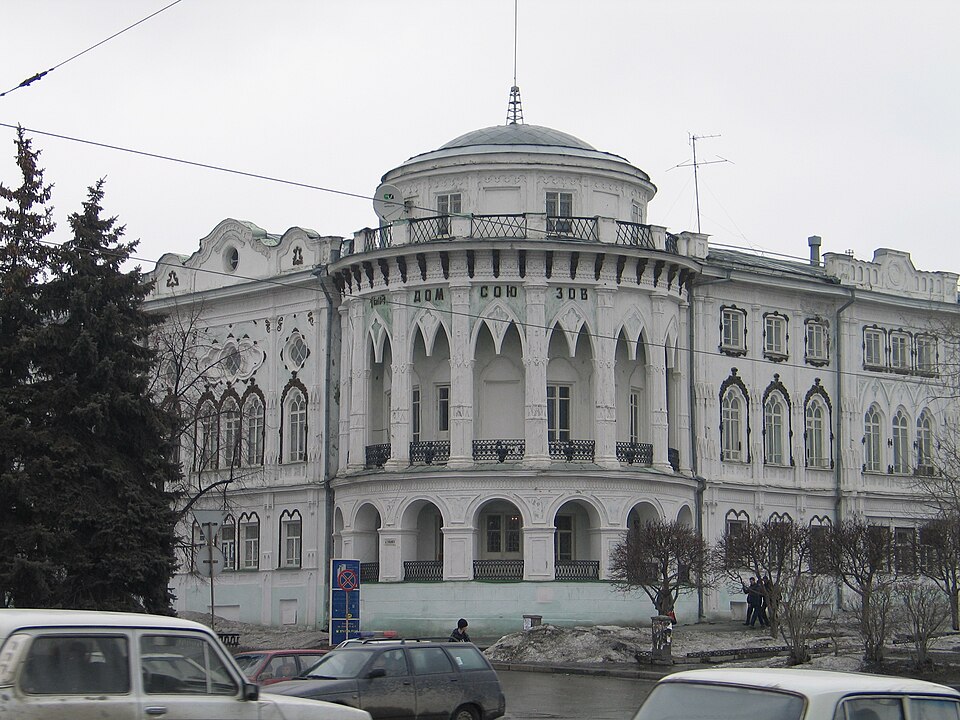
Look at the wooden details and the proportions of the windows. In a literary museum, an ordinary house acquires another meaning. A room, staircase or garden becomes a way of discussing someone whose work was made of words rather than monumental structures. A portrait alone cannot convey that everyday setting.
Literature from the Urals often explores labour, landscape, social differences and the character of local communities. You do not need to have read every author before visiting. It is enough to consider how streets, domestic life and the surrounding region might become the material of a story.
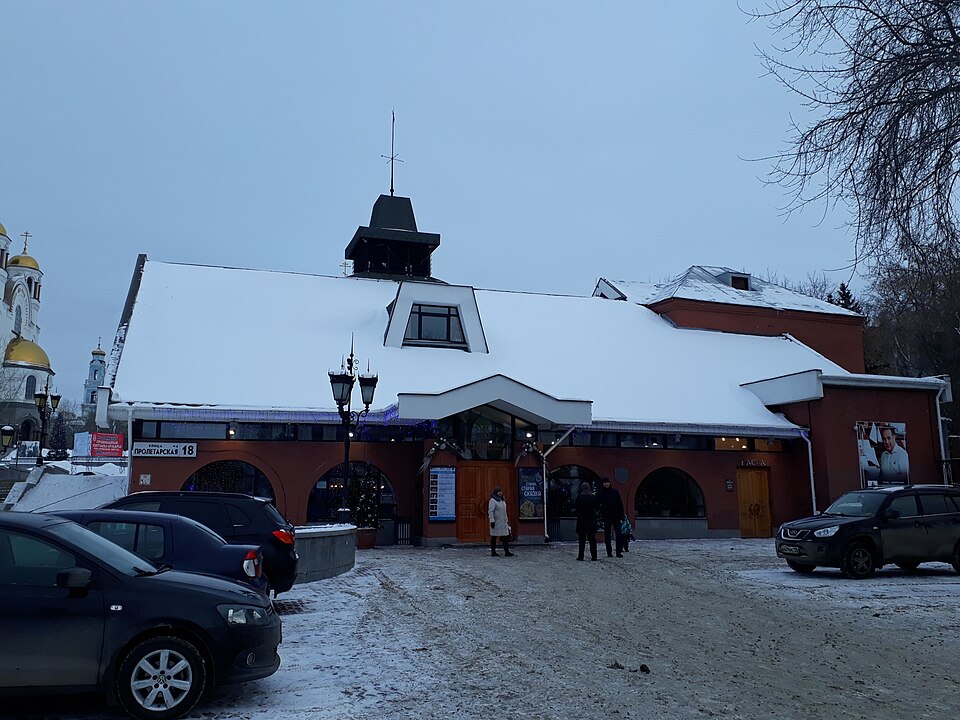
Memorial houses, themed exhibitions and theatre coexist in the quarter. Set aside separate time if you want to enter a particular museum: walking outside and exploring the rooms offer different experiences.
For a moment, put away the map and compare these spaces with the taller buildings nearby. The quarter reminds us that cultural memory can survive at a modest scale, in the places where a person once lived, worked and observed the world.
Learn more
A house museum does not necessarily mean that every room has remained untouched since a writer's lifetime. Original possessions, reconstructed interiors and modern exhibitions have different kinds of authenticity. Good labels make those distinctions clear. Recognising them does not diminish the experience; it helps you understand when you are encountering a surviving object, a recreated setting or a present-day interpretation of literature.